The uplifting emotion we experience when watching others perform a virtuous deed--known as "elevation"--may be enough to get us to go out and perform good acts ourselves, say new findings reported in Psychological Science.
During the study, volunteers viewed either a neutral TV clip (showing scenes from a nature documentary) or an uplifting TV clip (a segment from "The Oprah Winfrey Show" showing musicians thanking their mentors) that was designed to induce feelings of elevation and then wrote an essay describing what they watched. As they received their payment and a receipt, they were to indicate if they would be willing to participate in an additional study.
The starburst region NGC 3603 is a cosmic factory where stars form frantically from the nebula's extended clouds of gas and dust. Located 22 000 light-years away from the Sun, it is the closest region of this kind known in our galaxy, providing astronomers with a local test bed for studying intense star formation processes, very common in other galaxies, but hard to observe in detail because of their great distance from us.
A new study published today in Nature suggests that approximately seven in every thousand morbidly obese people are missing a section of their DNA containing approximately 30 genes, which may be having a dramatic effect on their weight.
Researchers identified the missing genes in teenagers and adults who had learning difficulties or delayed development. They found 31 people who had nearly identical 'deletions' in one copy of their DNA. All of the adults with this genetic change had a BMI of over 30, which means they were obese.
Preliminary research published this week in JAMA indicates that decreased levels of serotonin and tryptophan hydroxylase in the brainstem are associated with an increased risk for sudden infant death syndrome (SIDS).
The study included for biochemical analysis 35 infants dying from SIDS, 5 infants with acute death from known causes (controls), and 5 hospitalized infants with chronic hypoxia-ischemia (a reduction in oxygen supply combined with reduced blood flow to the brain). Tissue samples were obtained via autopsy and levels of serotonin and several enzymes, including serotonin (5-HT) and tryptophan hydroxylase (TPH2), were measured and analyzed.
A 60-million-year-old relative of crocodiles named Cerrejonisuchus improcerus ("small crocodile from Cerrejon") was likely a food source for Titanoboa, the largest snake the world has ever known, says a new study published this week in the Journal Vertebrate Paleontology.
Researchers from Smithsonian Tropical Research Institute in Panama and paleontologists from the Florida Museum of Natural History found fossils of the new species of ancient crocodile in the Cerrejon Formation in northern Colombia. The site, one of the world's largest open-pit coal mines, also yielded skeletons of the giant, boa constrictor-like Titanoboa, which measured up to 45 feet long. The study is the first report of a fossil crocodyliform from the same site.
By considering molecular-level events on a broader scale, researchers now have a clearer and more complicated picture of how one class of immune cells goes wrong when loaded with cholesterol. The findings reported in Cell Metabolism show that, when it comes to the development of atherosclerosis and heart disease, it's not about any one bad actor—it's about a network gone awry.
The new findings also highlight a pretty remarkable thing: researchers still aren't sure how cholesterol causes heart disease.


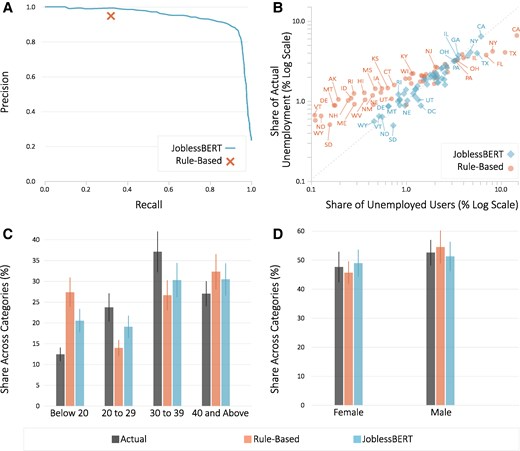 Social Media Is A Faster Source For Unemployment Data Than Government
 Gestational Diabetes Up 36% In The Last Decade - But Black Women Are Healthiest
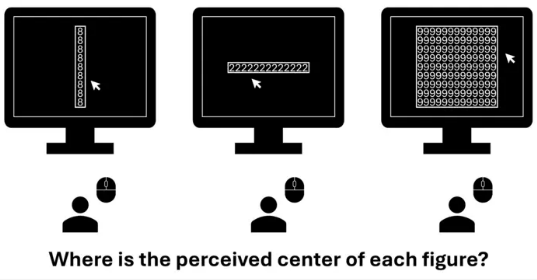 Object-Based Processing: Numbers Confuse How We Perceive Spaces
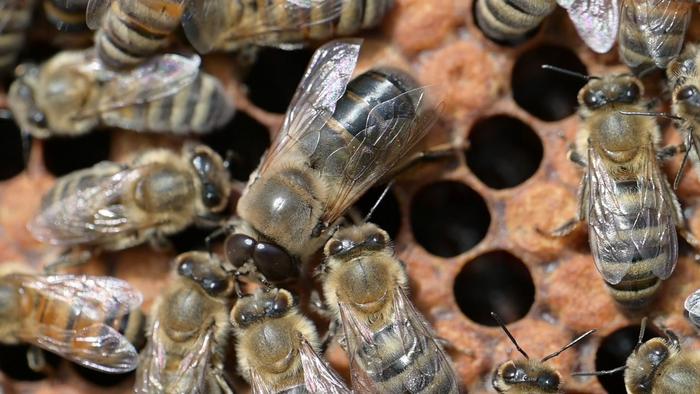 Males Are Genetically Wired To Beg Females For Food








