Archaeologists from the Department of Biblical Studies at the University of Haifa say they've deciphered the earliest known Hebrew writing in existence, an inscription dating from the 10th century BCE (the period of King David's reign). The discovery is significant because it means the Bible may be several centuries older than current estimates suggest, researchers say.
"It indicates that the Kingdom of Israel already existed in the 10th century BCE and that at least some of the biblical texts were written hundreds of years before the dates presented in current
research," says Prof. Gershon Galil of the University of Haifa who deciphered the inscription.
Writing in the January 8 issue of Science, a group of environmental scientists is calling on the U.S. Environmental Protection Agency and the U.S Army Corps of Engineers to stay all new mountaintop mining permits. They argue that peer-reviewed research unequivocally documents irreversible environmental impacts from this form of mining, which also exposes local residents to a higher risk of serious health problems.
Contrary to the conclusions of dozens of other studies, a new paper appearing in Global Change Biology argues that as the climate warms and growing seasons lengthen, subalpine forests are likely to soak up less carbon dioxide. The authors, scientists at the University of Colorado, say that more of the greenhouse gas will be left to concentrate in the atmosphere as a result.
The researchers found that while smaller spring snowpack tended to advance the onset of spring and extend the growing season, it also reduced the amount of water available to forests later in the summer and fall. The water-stressed trees were then less effective in converting CO2 into biomass. Summer rains were unable to make up the difference.
When people think of the Cold War they tend to dwell on all the negatives that came with it: totalitarian governments, proxy wars, a nuclear arms race, and so on. But looking back on the period, the authors of a new paper in the journal Biological Conservation say there was an odd ecological benefit that resulted from the interruption of trade that occurred between Eastern and Western Europe during the Cold war--fewer invasive species.
"Global trade is a real concern for invasive species, and the lessons we can learn from the Cold War offer a warning flag to developing countries that are now expanding in an international economy," said co-author Susan M. Shirley.
While fossils may provide some tantalizing clues about human history, they also lack vital information needed to understand the past, such as which pieces of human DNA have been favored by evolution because they confer beneficial traits. Those genetic signs can only be revealed through studies of modern humans and other related species, and in a new Science Express paper, researchers describe a method for pinpointing these preferred regions within the human genome.
A new report published in the January 8 issue of Cell explains how plants, which are incredibly temperature sensitive, not only 'feel' the temperature rise, but also coordinate an appropriate response -- activating hundreds of genes and deactivating others; it turns out it's all about the way that their DNA is packaged. The findings may help to explain how plants will respond in the face of climate change and offer scientists new leads in the quest to create crop plants better able to withstand high temperature stress, the researchers say.


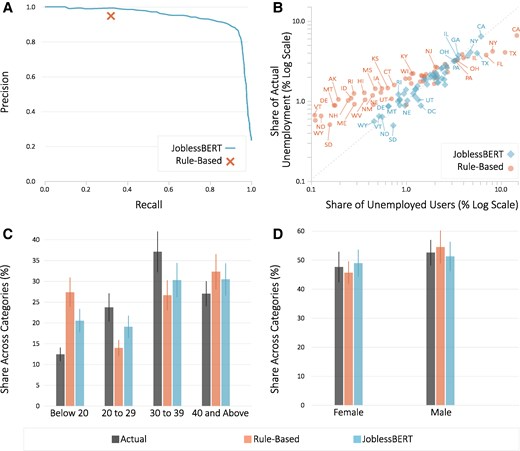 Social Media Is A Faster Source For Unemployment Data Than Government
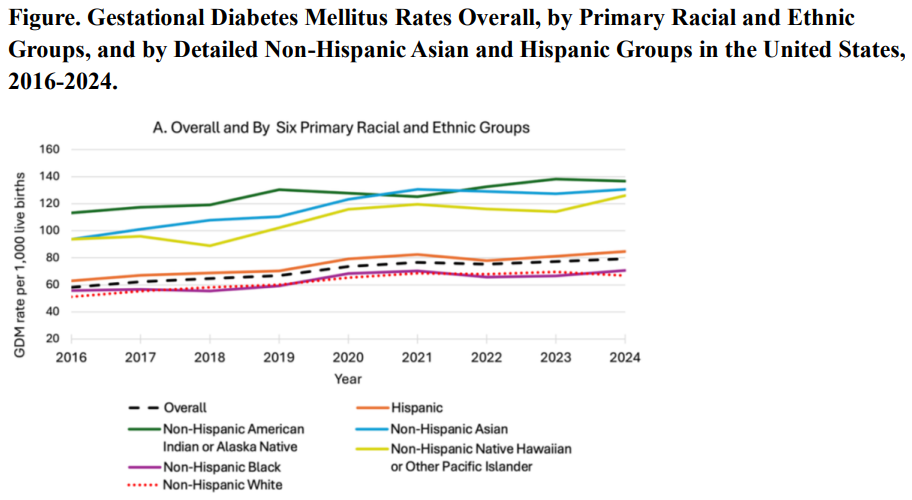 Gestational Diabetes Up 36% In The Last Decade - But Black Women Are Healthiest
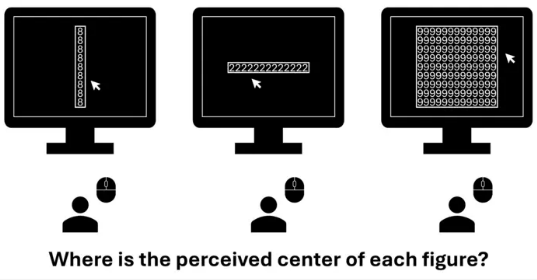 Object-Based Processing: Numbers Confuse How We Perceive Spaces
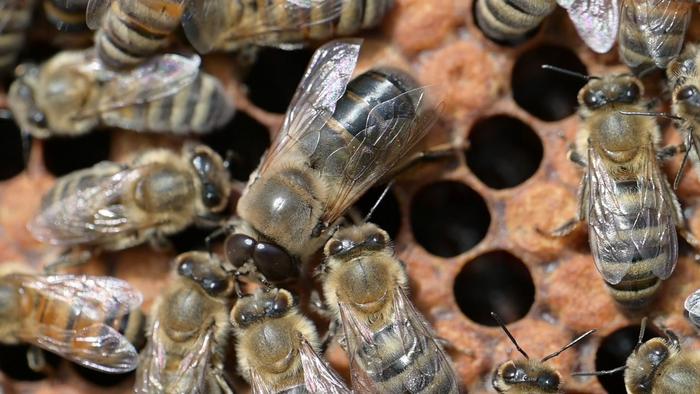 Males Are Genetically Wired To Beg Females For Food







