Blanket subsidies for hybrid electric vehicles won't get drivers out of their old gas guzzlers and into the new energy efficient cars, according to a new study in Energy Policy. When it comes to pumping up the appeal of plug-in hybrid electric vehicles (PHEVs), researchers say some regions are more ripe for the cars than others, and some consumers' buttons need more pushing than others.
The study found that giving consumers who live and drive in regions where the social benefits of electric–boosted cars are strongest, and recognizing the circumstances of consumers – such as their income, life stage and family size – gives PHEVs a better shot at both sales and environmental and energy security effectiveness.
If your friends and family give you trouble for spending too much time on your cell phone, scientists at the University of South Florida may have discovered the ultimate excuse for your constant yakking. In a surprising study published today in the Journal of Alzheimer's Disease, researchers reported the first evidence that long-term exposure to electromagnetic waves associated with cell phone use may actually protect against, and even reverse, Alzheimer's disease. The study also challenges claims that EMF exposure causes brain cancer
Researchers at the American Museum of Natural History and the University of Cambridge have developed models they say explain how earth survived its birth. Presenting their findings at the 2010 meeting of the American Astronomical Society in Washington, D.C., the team suggests that variations in temperature can lead to regions of outward and inward migration that safely trap planets on orbits. When the protoplanetary disk begins to dissipate, planets are left behind, safe from impact with their parent star.
A new report published in the January 8 issue of Cell explains how plants, which are incredibly temperature sensitive, not only 'feel' the temperature rise, but also coordinate an appropriate response -- activating hundreds of genes and deactivating others; it turns out it's all about the way that their DNA is packaged. The findings may help to explain how plants will respond in the face of climate change and offer scientists new leads in the quest to create crop plants better able to withstand high temperature stress, the researchers say.
Reporting in the current online edition of the journal BMC Medicine, researchers from UCLA say they can predict the number of H1N1 flu infections that could occur during a commercial flight using novel mathematical modeling techniques. They found that transmission could be rather significant, particularly during long flights, if the infected individual travels in economy class. Specifically, two to five infections could occur during a five-hour flight, five to 10 during an 11-hour flight, and seven to 17 during a 17-hour flight.
Did you have a pushy physical education teacher that made you loathe exercising at school? If so, you're not alone. New research suggets that many people may have been persuaded to permanently avoid exercise as a result of the humiliation they experienced in physical education class.
In a study published in Qualitative Research in Sport and Exercise, Billy Strean, a professor in the U of A's Faculty of Physical Education and Recreation, says a negative lifelong attitude towards physical activity can be determined by either a good or a bad experience, based on the personal characteristics of the coach or instructor. For example, negative experiences may come from a teacher who has low energy, is unfair and/or someone who embarrasses students.


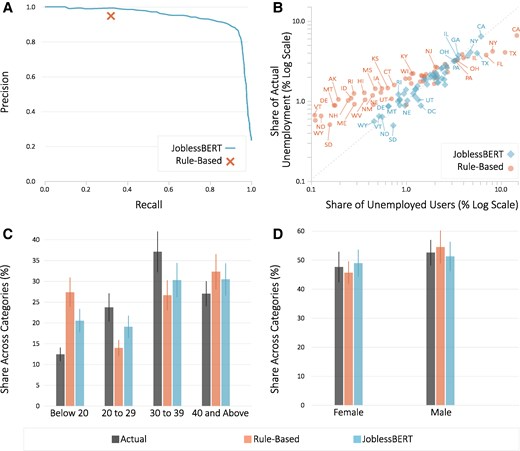 Social Media Is A Faster Source For Unemployment Data Than Government
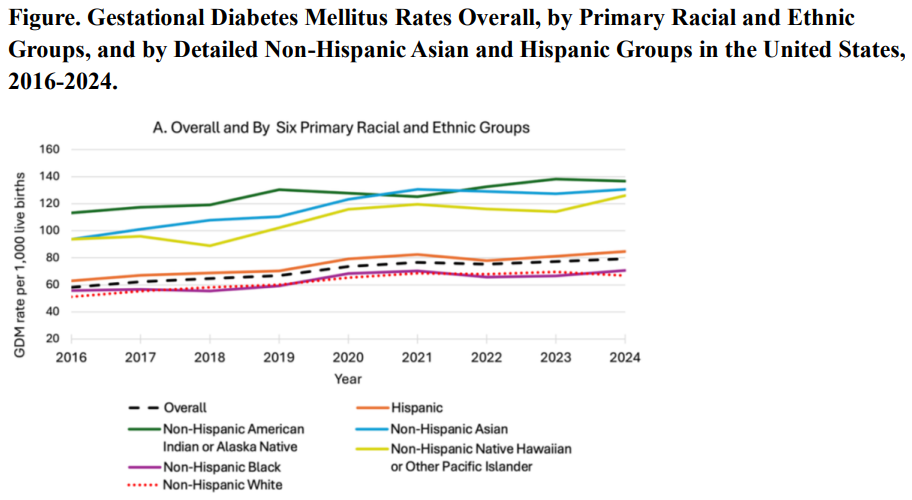 Gestational Diabetes Up 36% In The Last Decade - But Black Women Are Healthiest
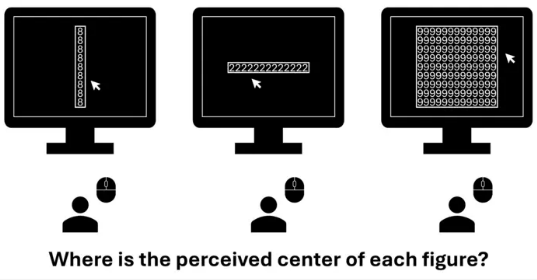 Object-Based Processing: Numbers Confuse How We Perceive Spaces
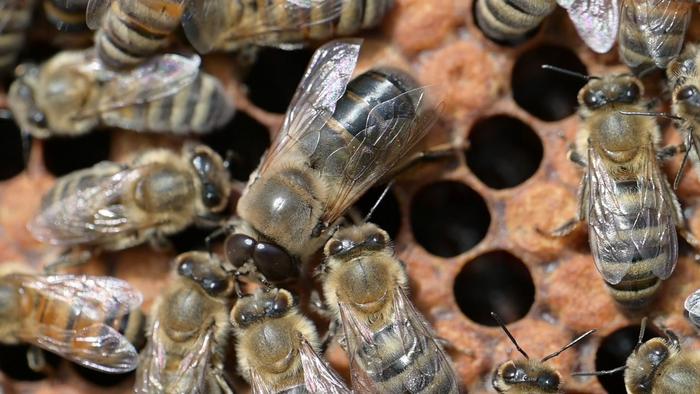 Males Are Genetically Wired To Beg Females For Food