Despite astronomers hopes, the rocky planet CoRoT-7 b that was discovered circling a star some 480 light years from Earth last October is likely a forbidding place that doesn't harbor life. Upon its discovery, experts said that was because the planet is so close to its star that
temperatures might be above 4,000 degrees F (2,200 C) on the surface lit by its star and as low as minus 350 F (minus 210 C) on its dark side.
Though it seems entirely obvious at this point, eating less and exercising more are the only reliable ways to lose weight. The reason for repeating this advice ad nauseum? An international team of researchers says it's because a body of scientific literature has arisen in recent years suggesting that fat oxidation – burning the fats we eat as opposed to the carbohydrates – is enough to promote fat loss. It isn't.
In a new paper published in Cell Metabolism, scientists say they have demonstrated that mice genetically altered to burn fats in preference to carbohydrates, will convert the unburned carbohydrates into stored fat anyway, and their ultimate weight and body composition will be the same as normal mice.
University of Utah biologists have found that finches – the birds Charles Darwin famously studied – develop antibodies against two parasites (a pox virus and a nest fly) that moved to the Galapagos, suggesting the birds can fight the alien invaders.
With the discovery that the medium ground finches produce antibodies aimed specifically at the parasites "the next step is to determine if this immune response is helping the birds or hurting the birds," says University of Utah biology Professor Dale Clayton, who led the new study published online Wednesday, Jan 6. in PLoS ONE.
Did you have a pushy physical education teacher that made you loathe exercising at school? If so, you're not alone. New research suggets that many people may have been persuaded to permanently avoid exercise as a result of the humiliation they experienced in physical education class.
In a study published in Qualitative Research in Sport and Exercise, Billy Strean, a professor in the U of A's Faculty of Physical Education and Recreation, says a negative lifelong attitude towards physical activity can be determined by either a good or a bad experience, based on the personal characteristics of the coach or instructor. For example, negative experiences may come from a teacher who has low energy, is unfair and/or someone who embarrasses students.
Researchers from the University of Florida and Oklahoma State University have found common denominators in the calls of hundreds of species of insects, birds, fish, frogs, lizards and mammals that can be predicted with simple mathematical models. Compiling data from nearly 500 species, scientists say the calls of a whole host of creatures are ultimately controlled by their uptake and use of energy, or their metabolic rates.
The finding, reported in today's Proceedings of the Royal Society B, will help scientists understand how acoustic communication evolved across species, uniting a field of study that has long focused on the calls of particular groups of animals, such as birds.
Fruits that contain anti-aromatase phytochemicals, such as pomegranates, may reduce the incidence of hormone-dependent breast cancer, according to research published in the January issue of Cancer Prevention Research. The authors say that pomegranate is enriched in a series of compounds known as ellagitannins that appear to be responsible for the fruit's anti-proliferative effect.
"Phytochemicals suppress estrogen production that prevents the proliferation of breast cancer cells and the growth of estrogen-responsive tumors," said principal investigator Shiuan Chen, Ph.D., director of the Division of Tumor Cell Biology and co-leader of the Breast Cancer Research Program at City of Hope in Duarte, Calif.


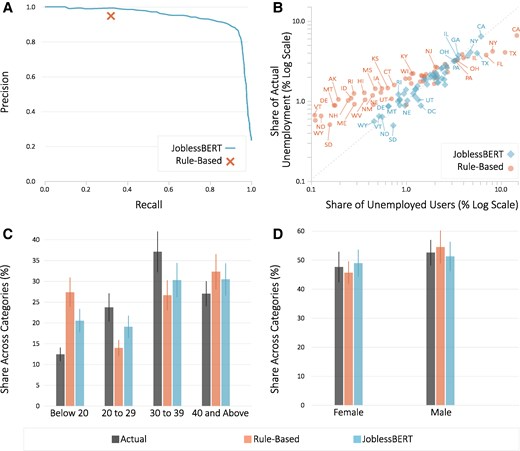 Social Media Is A Faster Source For Unemployment Data Than Government
 Gestational Diabetes Up 36% In The Last Decade - But Black Women Are Healthiest
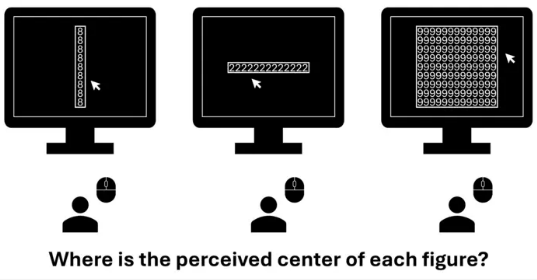 Object-Based Processing: Numbers Confuse How We Perceive Spaces
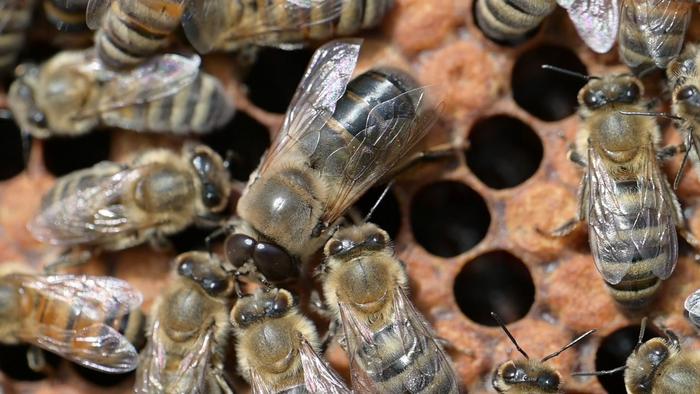 Males Are Genetically Wired To Beg Females For Food