As smoking continues to decline among the US population, the rate of obesity is growing and has now become an equal, if not greater, contributor to the burden of disease and shortening of healthy life compared to smoking, according to Researchers from Columbia and The City College of New York. They say that the Quality-Adjusted Life Years (QALYs) lost due to obesity is now equal to, if not greater than, those lost due to smoking, both modifiable risk factors. The results appear in February 2010 issue of the American Journal of Preventive Medicine.
Fruits that contain anti-aromatase phytochemicals, such as pomegranates, may reduce the incidence of hormone-dependent breast cancer, according to research published in the January issue of Cancer Prevention Research. The authors say that pomegranate is enriched in a series of compounds known as ellagitannins that appear to be responsible for the fruit's anti-proliferative effect.
"Phytochemicals suppress estrogen production that prevents the proliferation of breast cancer cells and the growth of estrogen-responsive tumors," said principal investigator Shiuan Chen, Ph.D., director of the Division of Tumor Cell Biology and co-leader of the Breast Cancer Research Program at City of Hope in Duarte, Calif.
Shown in an extremely broad range of color and showcasing more than twelve billion years of cosmic history, Hubble's recent image is a full-glory cosmic renaissance of the history of the Universe. This image provides a record of the Universe's most exciting formative years, from the birth of stars in the early Universe all the way through the materialization of the Milky Way.
Researchers from the Mayo Clinic and the University of Iowa say that the key to bringing obesity under control is to make our muscle a little less efficient and they may have found a way to do it. In a new study in the January issue of Cell Metabolism, the team discusses the possibility that treatments designed to disrupt so-called sarcolemmal ATP-sensitive K+ (KATP) channels specifically in muscles might allow us to control our weight by increasing the number of calories our muscles will burn with regular activity or exercise.
Using insect cells, scientists in Vienna have developed an alternative method for producing the H1N1 vaccine. The researchers say the discovery, detailed in the Biotechnology Journal, will aid the fight against influenza pandemics by speeding up production and making it easier to meet the demand for vaccines.
"Recent outbreaks of influenza highlight the importance of a rapid and sufficient vaccine supply for pandemic and inter pandemic strains," said co-author Florian Krammer from the University of Natural Resources and Applied Life Science in Vienna. "However, classical manufacturing methods for vaccines fail to satisfy this demand."
By studying unknown high-energy sources detected by NASA's Fermi Gamma-ray Space Telescope, radio astronomers have uncovered 17 millisecond pulsars in our galaxy. The discovery was made in less than three months, and such a jump in the pace of locating these hard-to-find objects holds the promise of using them as a kind of "galactic GPS" to detect gravitational waves passing near Earth.


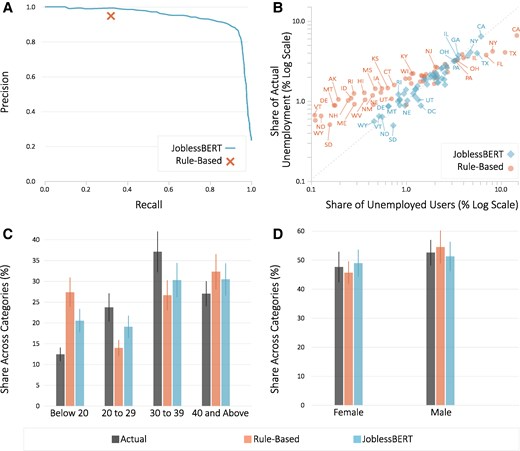 Social Media Is A Faster Source For Unemployment Data Than Government
 Gestational Diabetes Up 36% In The Last Decade - But Black Women Are Healthiest
 Object-Based Processing: Numbers Confuse How We Perceive Spaces
 Males Are Genetically Wired To Beg Females For Food








