In their quest to find solar systems analogous to ours own, astronomers have determined how common our solar system is--not very. In a study presented today at the American Astronomical Society Meeting in Washington, DC, Ohio State researchers explained that approximately 10 percent of stars in the universe host systems of planets like our own, with several gas giant planets in the outer part of the solar system.
"Now we know our place in the universe," said Ohio State University astronomer Scott Gaudi. "Solar systems like our own are not rare, but we're not in the majority, either."
Writing in the American Journal of Physical Anthropology, a team of researchers says that testing hair from Asian monkeys living close to people may provide early warnings of toxic threats to humans and wildlife.
In parts of South and Southeast Asia, macaques and people are synanthropic, which means they share the same ecological niche. They drink from identical water sources, breathe the same air, share food sources, and play on the same ground.
"Macaques are similar to humans anatomically, physiologically and behaviorally," said the senior author on the study, Dr. Lisa Jones-Engel, a senior research scientist at the National Primate Research Center at the University of Washington in Seattle.
Children whose parents refuse to vaccinate them are nine times more likely to get chickenpox compared to fully immunized children, according to a new study led by a vaccine research team at Kaiser Permanente Colorado's Institute for Health Research. The study was published today in the January issue of the journal Archives of Pediatrics&Adolescent Medicine.
To assess the risk of varicella vaccine refusal, researchers reviewed the electronic health records of 86,993 children between the ages of 12 months and 8 years who were members of Kaiser Permanente Colorado between 1998 and 2008. First, investigators confirmed which children
had varicella infections. Next, they verified whether parents had refused some or all varicella vaccines for their children.
Although smoking is a well-known risk factor for type 2 diabetes, new research published in the January 5 issue of Annals of Internal Medicine suggests that quitting the habit may actually raise diabetes risk in the short term. Researchers found that people who quit smoking have a 70 percent increased risk of developing type 2 diabetes in the first six years without cigarettes as compared to people who never smoked.
The risks were highest in the first three years after quitting and returned to normal after 10 years. Among those who continued smoking over that period, the risk was lower, but the chance of developing diabetes was still 30 percent higher compared with those who never smoked.
Although running can confer many health benefits, the shoes runners wear while exercising may actually be doing them harm. In a study published in the December 2009 issue of PM&R: The journal of injury, function and rehabilitation, researchers compared the effects on knee, hip and ankle joint motions of running barefoot versus running in modern running shoes. They concluded that running shoes exerted more stress on these joints compared to running barefoot or walking in high-heeled shoes.
The authors of a new study featured in Annals of Internal Medicine say that kitchen spoons should be avoided when taking medicine, because it's easy to under or overdose when using them to measure.
During the study, former cold and flu sufferers were asked to pour one teaspoon of nighttime flu medicine into kitchen spoons of differing sizes. Depending upon the size of the spoon, the 195 former patients poured an average of eight percent too little or 12 percent too much medicine.
"When pouring into a medium-size tablespoon, participants under-dosed. But when using a larger spoon, they poured too much medicine," said Dr. Brian Wansink, Director of the Cornell Food and Brand Lab, who led the study.


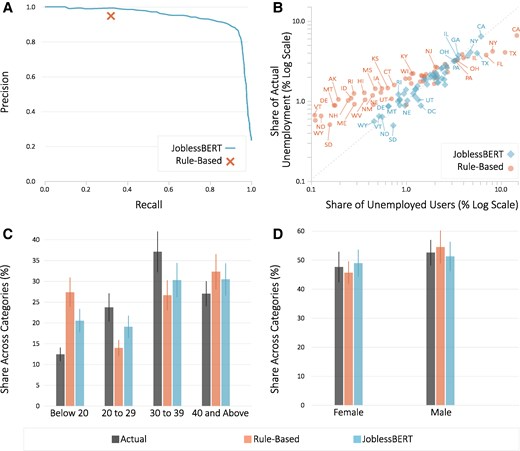 Social Media Is A Faster Source For Unemployment Data Than Government
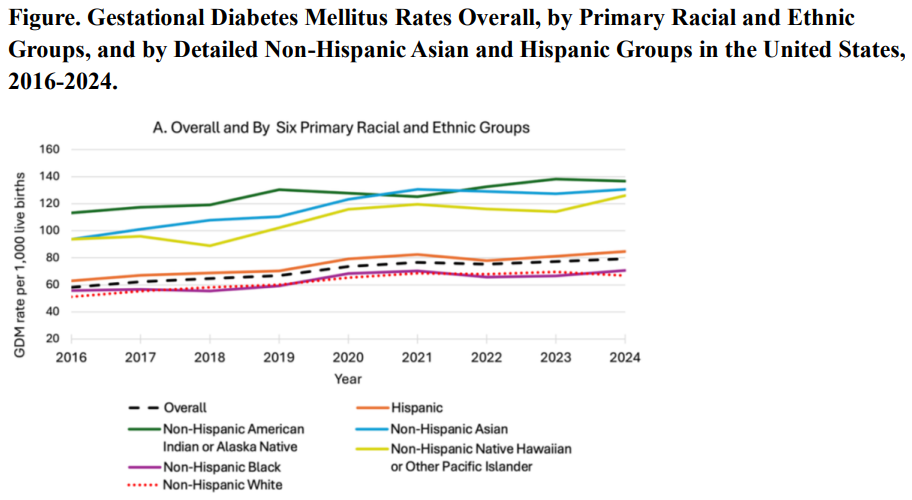 Gestational Diabetes Up 36% In The Last Decade - But Black Women Are Healthiest
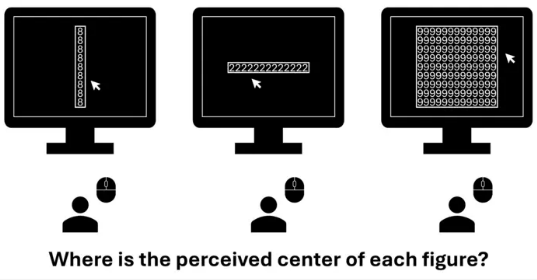 Object-Based Processing: Numbers Confuse How We Perceive Spaces
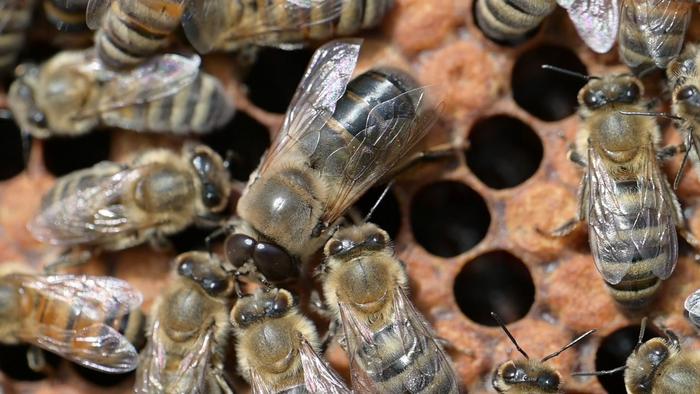 Males Are Genetically Wired To Beg Females For Food







