The FDA's pre-market approval process for cardiovascular devices is often based on studies that lack adequate strength or may have been prone to bias, according to a study in the December 23/30 issue of JAMA. The researchers found that of nearly 80 high-risk devices, the majority received approval based on data from a single study.
Cardiovascular devices are increasing in number and usage. "In 2008, at least 350,000 pacemakers, 140,000 implantable cardioverter-defibrillators, and 1,230,000 stents were implanted. Although there has been recent scrutiny of evidence used in the FDA drug approval process, less attention has been paid to the approval process for medical devices," the authors write.
When New Year's Eve rolls around and you're deciding whether to have another glass of champagne, your decision may be predicted by your perspective on the future. A pair of Kansas State University researchers found that people who tend to think in the long term are more likely to make positive decisions about their health, whether it's how much they drink, what they eat, or their decision to wear sunscreen.
"If you are more willing to pick later, larger rewards rather than taking the immediate payoff, you are more future-minded than present-minded," said James Daugherty, a doctoral student in psychology who led the study. "You're more likely to exercise and less likely to smoke and drink."
Ginkgo biloba, popularly consumed for its supposedly positive effect on memory, has no such effect, according to new research published in the December 23/30 issue of JAMA. In the study, older adults who used the herbal supplement for several years did not have a slower rate of cognitive decline compared to adults who received placebo .
It's common for powerful public figures to use their status to lecture the rest of us about how we should live. But it's also no secret that the politicians, business leaders and entertainers who make up this elite group of decision makers in our society don't practice what they preach. And coming out of 2009, a year that may well be remembered for its scandal-ridden headlines, from admissions of extramarital affairs by elected leaders and athletes, to corporate executives preaching about free markets while taking bailout money, it may be reasonable to ask: why are powerful people hypocrites?
Despite the multitudes of microbes that reside on earth, our knowledge of them is quite limited. Of the estimated nonillion (1030) that exist, scientists have or are in the process of decoding 2,000 microbial genomes, which means there is a vast unknown realm awaiting those researchers intent on exploring microorganisms that inhabit this planet.
In hopes of exploring that realm and expanding our understanding of microbes, a team from the the Department of Energy's Joint Genome Institute (DOE JGI) have released the first volume of the Genomic Encyclopedia of Bacteria and Archaea (GEBA), an analysis of the first 56 genomes representing two of the three domains of the tree of life. The encyclopedia is detailed in the December 24 issue of Nature.
New research conducted by the U.S. Geological Survey suggests that the Arctic could face seasonally ice-free conditions and much warmer temperatures in the future. The conclusion is based on climate reconstructions of the mid-Piacenzian Age of the Pliocene Epoch, 3.3 to 3 million years ago. The findings will help refine climate models, which currently underestimate the rate of sea ice loss in the Arctic, the researchers say.
Scientists documented evidence that the Arctic Ocean and Nordic Seas were too warm to support summer sea ice during the mid-Pliocene warm period . This period is characterized by warm temperatures similar to those projected for the end of this century, and is used as an analog to understand future conditions.


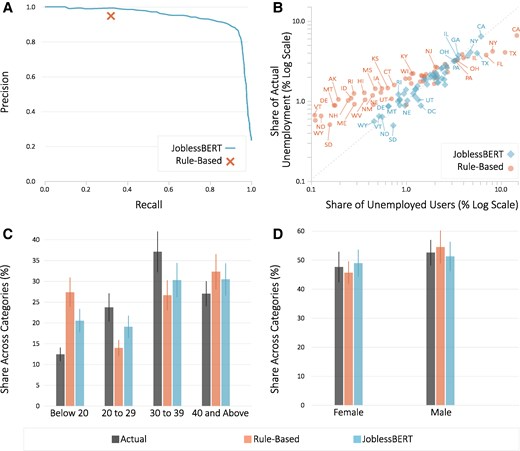 Social Media Is A Faster Source For Unemployment Data Than Government
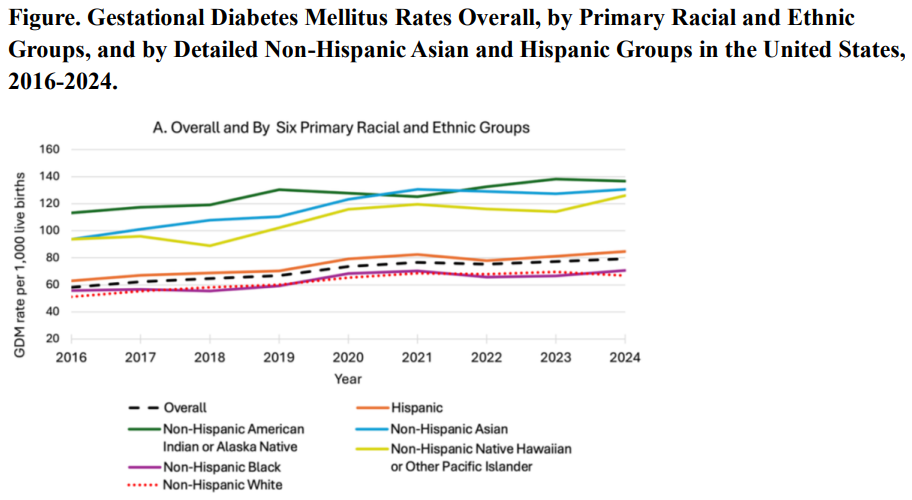 Gestational Diabetes Up 36% In The Last Decade - But Black Women Are Healthiest
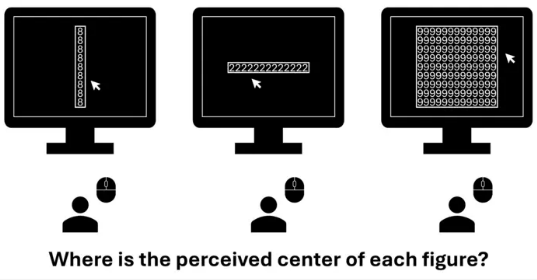 Object-Based Processing: Numbers Confuse How We Perceive Spaces
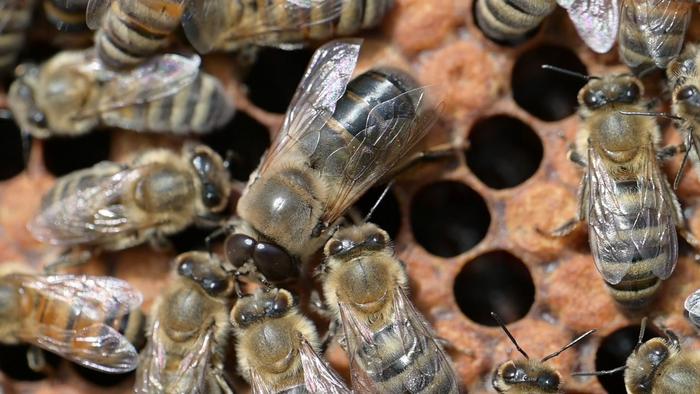 Males Are Genetically Wired To Beg Females For Food







