Although the H1N1 vaccine is generally believed to be safe and effective, researchers from the University of Missouri have uncovered evidence that taking over-the-counter pain relievers, like aspirin and Tylenol, can reduce the effectiveness of the vaccine because they inhibit the normal function of enzymes that help regulate the immune system.
The role of these enzymes, called COX enzymes, is not yet understood completely, and
medications that inhibit them may have adverse side effects. Recent research has discovered that drugs that inhibit COX enzymes, such as COX-2, have an impact on the effectiveness of vaccines. This new research indicates that inhibiting COX-1, which is present in tissues
Cancer researchers at the University of Oklahoma have found a way to turn ineffective new cancer drugs into deceptive cancer-killers. By using a patented chemical compound called SHetA2, the researchers tricked cancer cells into responding to new treatments and committing suicide. Their new study appears in the journal Gynecologic Oncology.
"This discovery means that we can use our non-toxic cancer prevention pill to improve treatment for people who already have cancer," said Doris Mangiaracina Benbrook, Ph.D., principal investigator on the project. "All studies to date have not found any side effects of taking our drug, giving hope that we can prevent cancer in healthy people, and improve treatment for cancer patients, without increasing toxicity."
Political scientists from the University of Missouri say that the general public knows very little about foreign policy, and what they do know is based primarily on "rhetoric" from whatever president occupies the White House.
They also suggest that plainly stated, easy-to-understand foreign policy explanations from presidential administrations are likely to receive public support, while complicated, convoluted policy explanations are likely to face greater public skepticism. The findings are published in Political Research Quarterly.
According to one historian, the anti-government rallies that made their way across the country last summer, known as tea parties, may explain more about Americans than their views on high taxes and gun control.
Ohio State University historian Randolph Roth claims that the distrust of government on display at the tea parties earlier this year has appeared sporadically throughout America's history and may be linked to homicide rates. In short, when Americans begin routinely complaining about how they hate their government and don't trust their leaders, they commit more murders.
Contrary to the widely held assumption that people use facebook and other social networking sites to make idealized impressions of themselves, a new psychology study suggests that facebook and myspace profiles are actually utilized for genuine social interaction and portray accurate personality images as a result.
To conduct the study, the researchers collected 236 profiles of college-aged people from the United States (facebook) and Germany (StudiVZ, SchuelerVZ). The researchers used questionnaires to assess the profile owners' actual personality characteristics as well as their
ideal-personality traits (how they wished to be). The personality traits included: extraversion, agreeableness, conscientiousness, neuroticism and openness.
The right kind of stress response in the operating room could lead to quicker recovery for patients after knee surgery, according to a new study published in the Journal of Bone and Joint Surgery. The results could be used to develop methods for predicting how well patients will fare after they leave the hospital.


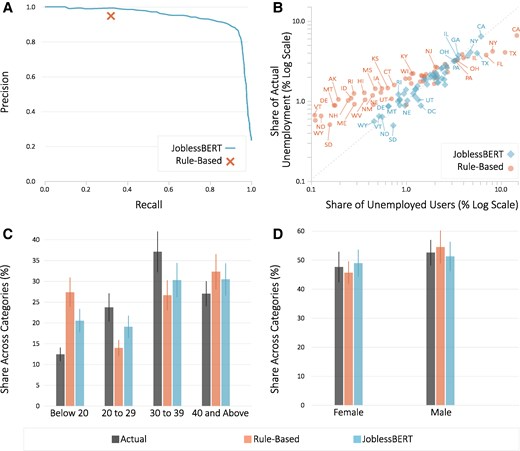 Social Media Is A Faster Source For Unemployment Data Than Government
 Gestational Diabetes Up 36% In The Last Decade - But Black Women Are Healthiest
 Object-Based Processing: Numbers Confuse How We Perceive Spaces
 Males Are Genetically Wired To Beg Females For Food







