Ignoring all of the likely reasons why Africa may see more civil wars in the future, a study published this week in the Proceedings of the National Academy of Sciences suggests that global warming could increase the likelihood of civil war in sub-Saharan Africa by over 50 percent within the next two decades.
The study, conducted by researchers at UC Berkeley as well as at Stanford University, New York University and Harvard University, provides the first "quantitative" evidence linking climate change and the risk of civil conflict, the authors claim. They conclude by urging accelerated support by African governments and foreign aid donors for new and/or expanded policies to assist with African adaptation to climate change.
A new study published in Palaeogeography, Palaeoclimatology, Palaeoecology suggests that the volcanic super-eruption of Toba on the island of Sumatra about 73,000 years ago deforested much of central India, some 3,000 miles from the epicenter.
The volcano ejected an estimated 800 cubic kilometers of ash into the atmosphere, leaving a crater (now the world's largest volcanic lake) that is 100 kilometers long and 35 kilometers wide. Ash from the event has been found in India, the Indian Ocean, the Bay of Bengal and the South China Sea.
While surveying monkeys in the Magombera Forest in Tanzania, environmental scientists this week unexpectedly discovered a new species of chameleon called Kinyongia magomberae, or the Magombera chameleon.
The researchers distinguished the new specimen by collecting, testing and comparing it to two others found in the same area of the Udzungwa Mountains National Park. Their results are documented in the African Journal of Herpetology.
"Discovering a new species is a rare event so to be involved in the identification and naming of this animal is very exciting, said co-discoverer Dr Andrew Marshall.
The capacity of oceans and terrestrial ecosystems such as forests and grasslands to store carbon emissions is considered one of the primary ways the effects of climate change can be mitigated. Unfortunately, such natural carbon sinks may not be much help to Europe thanks to the continent's intensive land management practices, according to a new published online in Nature Geoscience.
Short of a global economic collapse or the construction of a new nuclear power plant everyday, stabilizing or reducing greenhouse gas emissions is impossible, says University of Utah atmospheric scientist Tim Garrett.
In his new Climatic Change study – which is based on the concept that physics can be used to characterize the evolution of civilization – Garrett argues that energy conservation or efficiency doesn't really save energy, but instead spurs economic growth and accelerates energy consumption.
While most of the proposals put forth to address climate change so far have called on governments to play a more active role in society, perhaps one of the best things they could do is promote free trade and then get out of the way.
According to research conducted by an economists at Oregon State University, wealthier countries with competitive crop production and few trade barriers would fare the best if climate change, weather events or other factors cause yields of grain and oilseed crops to become more volatile.
By these criteria, the United States is poised to do well, but France would come out on top, according to the study of 21 countries conducted by economists at Oregon State University.


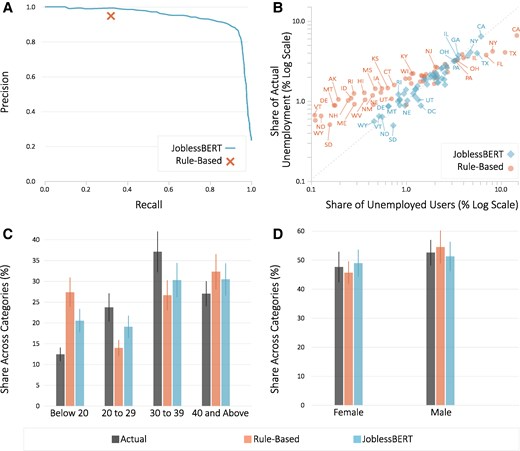 Social Media Is A Faster Source For Unemployment Data Than Government
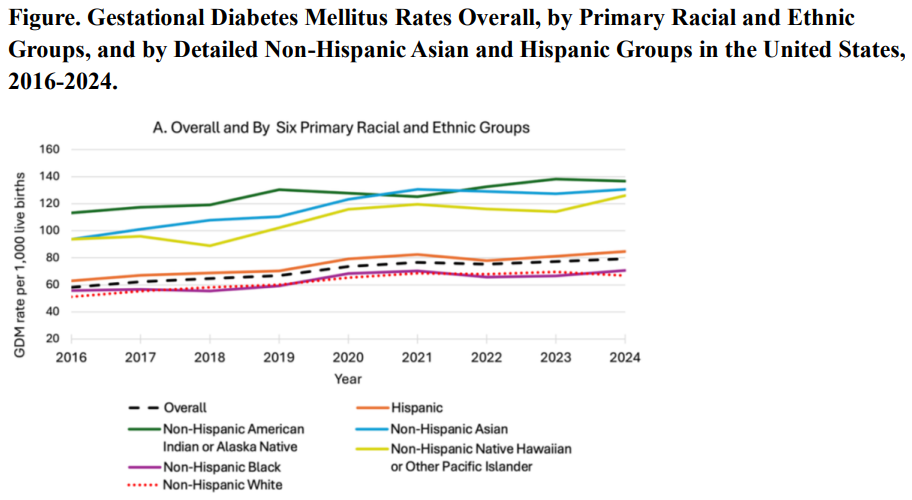 Gestational Diabetes Up 36% In The Last Decade - But Black Women Are Healthiest
 Object-Based Processing: Numbers Confuse How We Perceive Spaces
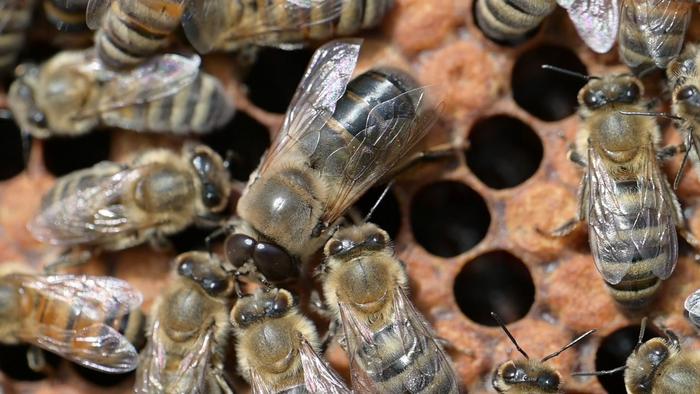 Males Are Genetically Wired To Beg Females For Food






