

Banner
Gestational Diabetes Up 36% In The Last Decade - But Black Women Are Healthiest

Gestational diabetes, a form of glucose intolerance during pregnancy, occurs primarily in women...
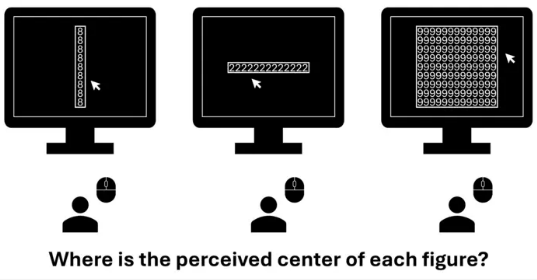
Object-Based Processing: Numbers Confuse How We Perceive Spaces

Researchers recently studied the relationship between numerical information in our vision, and...

Males Are Genetically Wired To Beg Females For Food

Bees have the reputation of being incredibly organized and spending their days making sure our...

The Scorched Cherry Twig And Other Christmas Miracles Get A Science Look

Bleeding hosts and stigmatizations are the best-known medieval miracles but less known ones, like ...

User picture.
News StaffRSS Feed of this column.

News Releases From All Over The World, Right To You... Read More »

Blogroll
Considering the people and things most often googled these days, it maybe surprising to learn that search engines play a much bigger role in our lives than just helping us find pictures of Megan Fox and mildly entertaining videos of would-be wrestlers in their backyards. Specifically, search engines are becoming a major part of how we learn, according to research published in the November issue of Information Processing and Management.
A new study of Antarctica's past climate reveals that temperatures during the warm periods between ice ages (interglacials) may have been higher than previously thought. The latest analysis of ice core records suggests that Antarctic temperatures may have been up to 6°C warmer than the present day. The study also found that during the last warm period, about 125,000 years ago, the sea level was around 5 metres higher than today.

The findings, reported this week by scientists from the British Antarctic Survey (BAS), the Open University and University of Bristol in the journal Nature could help us understand more about rapid Antarctic climate changes.
Heart disease is commonly considered a modern condition, but that may change thanks to research conducted by a collaborative team composed of imaging experts, Egyptologists and preservationists who have discovered evidence of the disease, which causes heart attacks and strokes, in ancient Egyptian mummies.

Their results, presented at  the American Heart Association's Scientific Sessions 2009, indicate that  atherosclerosis is not only a disease of modern man, but was present and not unusual in humans living 3000 years ago.

Using six-slice computed X-ray tomography (CT) scans, they systematically examined 20 mummies housed in the Museum of Antiquities in Cairo, Egypt to see if heart and blood vessel tissue was present and to learn its condition.

Over consumption is a serious issue in the United States. National Institutes of Health statistics show that two-thirds of American adults are overweight, with associated direct economic medical
costs of $78.5 billion each year. About 70 million Americans are attempting to control their food intake.

Fortunately, if you feel like you're in a losing battle with a triple-chocolate cake, a "mental budget" may help, says a new study in the Journal of Consumer Research.

To conduct the research, the authors encouraged some participants to set mental budgets and compared them to people who did not set budgets, and examined their consumption of sweet treats.

Out of the estimated 1 million people in the U.S. who suffer from chronic, severe angina -- chest pain due to blocked arteries -- about 300,000 cannot be helped by any traditional medical treatment such as angioplasty, bypass surgery or stents.

Recently, a nationwide study demonstrated that transplanting a potent form of adult stem cells into the heart muscle of patients with severe angina results in less pain and an improved ability to walk. The transplant patients also experienced fewer deaths than those who didn't receive stem cells. The findings of the study were presented at the American Heart Association Scientific Sessions 2009.

Titanium dioxide (TiO2) nanoparticles are found in everything from cosmetics to sunscreen to paint and vitamins, and have caused systemic genetic damage in mice, according to a study conducted by researchers at UCLA’s  Jonsson Comprehensive Cancer Center.  The study appears this week in the journal Cancer Research.








