This week, scientists from Australia and the UK are taking a break from their professional research to wave their fists angrily at the alcohol industry. In hopes of reducing alcohol abuse, they are calling for a new approach to the debate over whether alcohol industry sponsorship of sports increases drinking among sports participants. They want to shift the burden of proof to the alcohol industry.
The debate over sports sponsorship saw renewed activity last year when the findings of a 2008 New Zealand study among sports participants showed that those who received alcohol industry sponsorship – especially in the form of free or discounted alcohol – drank more heavily than those not in receipt of such sponsorship.
Conventional types of genetic analysis may not be as accurate as believed, according to researchers writing in Trends in Genetics.
Their analysis of penguins that died 44,000 years ago in Antarctica have provided extraordinary frozen DNA samples that they say challenges the accuracy of traditional genetic aging measurements, and suggest those approaches have been routinely underestimating the age of many specimens by 200 to 600 percent. So a biological specimen determined by traditional DNA testing to be 100,000 years old may actually be 200,000 to 600,000 years old.
They say their findings raise doubts about the accuracy of many evolutionary rates based on conventional types of genetic analysis.
While it's generally accepted that melting polar ice due to global warming is bad, scientists from the British Antarctic Survey are reporting this week that the loss of ice in the world's southernmost region could actually be slightly slowing the pace of climate change.
Large blooms of tiny marine plants called phytoplankton are flourishing in areas of open water left exposed by the recent and rapid melting of ice shelves and glaciers around the Antarctic Peninsula. This remarkable colonization is having a beneficial impact on climate change. As the blooms die back phytoplankton sinks to the sea-bed where it can store carbon for thousands or millions of years.
With the so called obesity epidemic in full swing, many people have turned to low-carb, high-fat diets as an alternative way to lose weight in recent years. While these diets can help people lose weight, some scientists say that they do very little to improve mood and cognition.
A study published today in the Archives of Internal Medicine followed two groups of dieters for one year and found that a low-calorie, low-fat diet appears to be more beneficial to dieters' mood than a low-carbohydrate plan with the same number of calories
Boston University Researchers have shown that intermittent access to fatty and sugary foods induces changes in the brain that are comparable to those observed in drug dependence. The findings, reported in the Proceedings of the National Academy of Sciences, may help explain how abstinence from these foods contributes to relapse eating among dieters as well as related eating disorders.
The researchers used 155 rats to measure the neurobiological responses. The first group, the diet cycled subjects, repeatedly ate standard rat chow for five days, followed by a highly palatable, high-sugar, chocolate-flavored chow for two days.
The first human embryonic stem cell treatment approved by the FDA for human testing has been shown to restore limb function in rats with neck spinal cord injuries – a finding that could expand the clinical trial to include people with cervical damage.
Results of the cervical study currently appear online in the journal Stem Cells. UCI scientist Hans Keirstead hopes the data will prompt the FDA to authorize clinical testing of the treatment in people with both types of spinal cord damage. About 52 percent of spinal cord injuries are cervical and 48 percent thoracic.


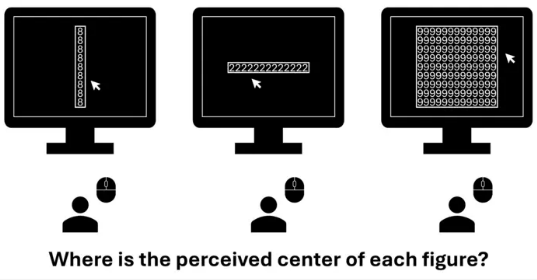 Object-Based Processing: Numbers Confuse How We Perceive Spaces
 Males Are Genetically Wired To Beg Females For Food
 The Scorched Cherry Twig And Other Christmas Miracles Get A Science Look
 $0.50 Pantoprazole For Stomach Bleeding In ICU Patients Could Save Families Thousands Of Dollars