Boston University Researchers have shown that intermittent access to fatty and sugary foods induces changes in the brain that are comparable to those observed in drug dependence. The findings, reported in the Proceedings of the National Academy of Sciences, may help explain how abstinence from these foods contributes to relapse eating among dieters as well as related eating disorders.
The researchers used 155 rats to measure the neurobiological responses. The first group, the diet cycled subjects, repeatedly ate standard rat chow for five days, followed by a highly palatable, high-sugar, chocolate-flavored chow for two days.
The first human embryonic stem cell treatment approved by the FDA for human testing has been shown to restore limb function in rats with neck spinal cord injuries – a finding that could expand the clinical trial to include people with cervical damage.
Results of the cervical study currently appear online in the journal Stem Cells. UCI scientist Hans Keirstead hopes the data will prompt the FDA to authorize clinical testing of the treatment in people with both types of spinal cord damage. About 52 percent of spinal cord injuries are cervical and 48 percent thoracic.
Everybody has memories they'd like to forget forever. Now, thanks to research conducted by scientists at the Friedrich Miescher Institute for Biomedical Research, there might be a pill for that.
According to their study recently published in Science, it may soon be possible to control fear memories with extinction-based drug therapies.
The Researchers studied proteins in mice known as extracellular matrix chondroitin sulfate proteoglycans and discovered that they form 'neural nets' in the brain which protect against the erasure of fear memories. By giving the mice a drug called chondroitinase ABC, the researchers say they were able to degrade these perineuronal nets and render subsequently acquired fear memories susceptible to erasure.
In July 1999, Medicare began increasing coverage for people needing a simultaneous kidney/pancreas transplant in hopes of addressing racial and economic disparities that existed. But increased Medicare dollars have not translated into more access for African Americans or Hispanics, and researchers from Georgetown University claim they know why.
The team says that racial bias among physicians may prevent black and Hispanic patients from receiving necessary kidney/pancreas transplants at the same rate as similar patients in other racial groups. Their research is published in the November issue of the American Journal of Transplantation
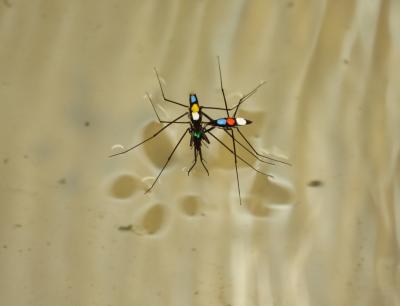
Female water striders don't like the bad boys and they don't even have to reach the age of 30 before they wise up about choices in males.
Water striders are those insects commonly seen skittering hurriedly across the surface of streams but when it comes to romance, male water striders who played it cool mated with more females than did groups of aggressive males, according to a study led by Omar Tonsi Eldakar of the University of Arizona's Arizona Research Laboratories.
The Ecuadorian government has devised a novel, albeit idealistic, plan to prevent gas and oil development in the Yasuní National Park in hopes of protecting biodiversity and combating climate change. The proposal, known as the Yasuní-ITT Initiative, would leave untouched nearly
one billion barrels of oil that lie beneath the national Park in Ecuador.


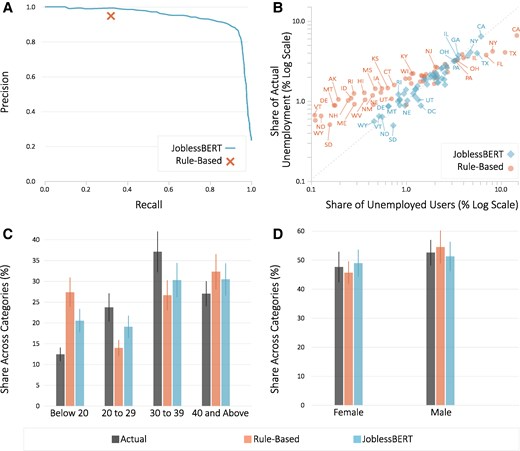 Social Media Is A Faster Source For Unemployment Data Than Government
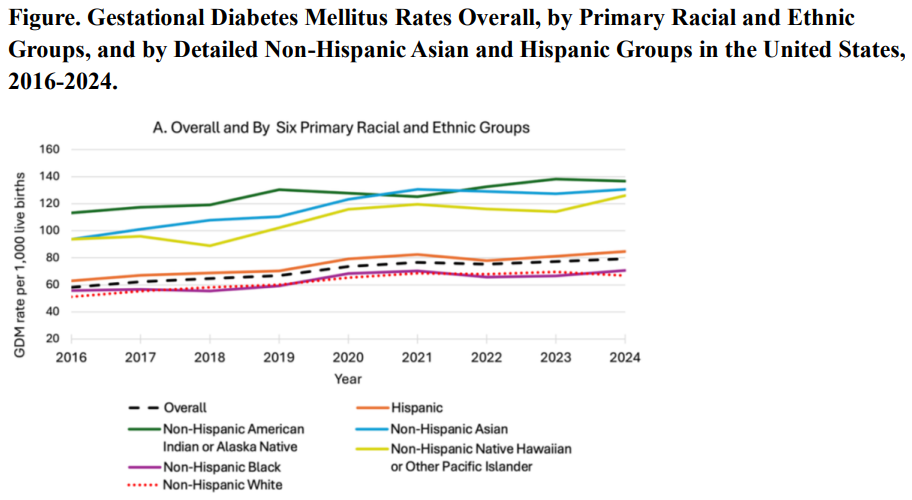 Gestational Diabetes Up 36% In The Last Decade - But Black Women Are Healthiest
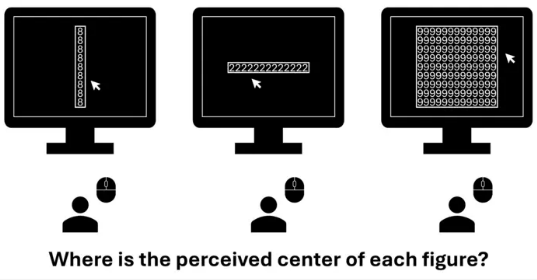 Object-Based Processing: Numbers Confuse How We Perceive Spaces
 Males Are Genetically Wired To Beg Females For Food