With the help of inebriated fruit flies, scientists have discovered an entire network of genes the tiny creatures share with humans that help explain why some people tolerate alcohol better than others and may one day lead to a cure for alcoholism. Their findings also yield more information about the negative side effects of excessive drinking, like liver damage. The study appears in the October issue of the Genetics.
Patients with early stage, non-small cell lung cancer who are not able to undergo surgery, now have a highly effective treatment option. Physicians say that option, radical stereotactic radiosurgery performed with CyberKnife, leads to a 100 percent overall survival after three
years in patients with good lung function before treatment. These results were presented today at the annual CHEST meeting in San Diego.
For patients with small tumors characterized as early-stage disease, surgical removal of the affected lobe (lobectomy) is the standard of care. However, surgery is sometimes not an option because of other pre-existing medical conditions such as emphysema or heart disease.
Richard P. Phipps, Ph.D., professor of Environmental Medicine, Microbiology and Immunology, and of Pediatrics at the University of Rochester Medical Center cautions that during flu vaccination season many common pain killers – Advil, Tylenol, aspirin – at the time of injection may blunt the effect of the shot and have a negative effect on the immune system.
A study by researchers in the Czech Republic reported similar findings in the Oct. 17, 2009, edition of The Lancet. They found that giving acetaminophen, the active ingredient in Tylenol, to infants weakens the immune response to vaccines.
Researchers at the PSG College of Technology Peelamedu in Coimbatore, India have devised a dedicated, embedded system that uses the short-range Bluetooth wireless networking protocol
to connect patient data to the network in order to make it available to healthcare providers.
According to a paper in the forthcoming issue of the International Journal of Medical Engineering and Informatics, a telemedicine system based on a modified version of the Bluetooth wireless protocol can transfer patient data for assessment almost four times as fast as conventional Bluetooth and without the intermittent connectivity problems.
The increase in the number of overweight Americans has led to a so called epidemic of type 2 diabetes that shows no signs of slowing. More than two-thirds of adults are now overweight or obese. About 11 percent of adults ─ 24 million people ─ have diabetes, and up to 95 percent of them have type 2 diabetes, according to the National Institutes of Health. Diabetes is a major cause of heart disease and stroke and the major cause of kidney failure, limb amputations and new-onset blindness.
According to a new report published in the November issue of the Archives of General Psychiatry, individuals who experience both adversity as children and traumatic events as adults are more
likely to develop post-traumatic stress disorder (PTSD) than those individuals who experience
only one of these kinds of incidents.
The report also found that the risk was greater for individuals with a particular genetic mutation that may influence the way the brain processes the neurotransmitter serotonin, affecting an individual's anxiety levels and changing the way neurons react to fearful stimuli.


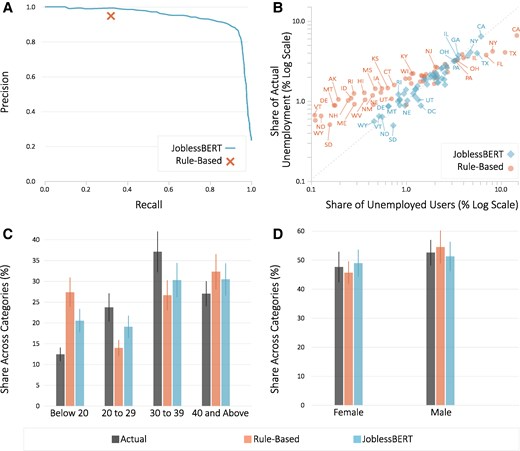 Social Media Is A Faster Source For Unemployment Data Than Government
 Gestational Diabetes Up 36% In The Last Decade - But Black Women Are Healthiest
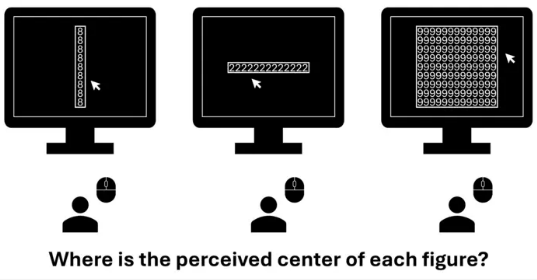 Object-Based Processing: Numbers Confuse How We Perceive Spaces
 Males Are Genetically Wired To Beg Females For Food







