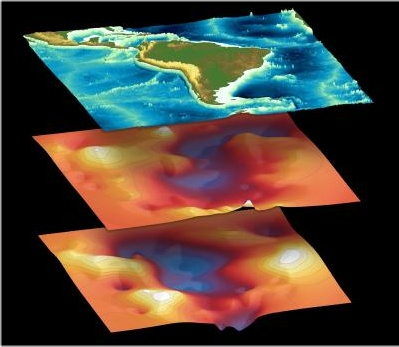
Back in 2005, when a massive 35-mile-long rift broke open in the Ethiopia desert some geologists controversially claimed that a new ocean was forming as two parts of the African continent pulled apart.
Currently, scientists from several countries have supposedly confirmed that the volcanic processes at work beneath the Ethiopian rift are nearly identical to those at the bottom of the world's oceans, and the rift may likely be the beginning of a new sea.
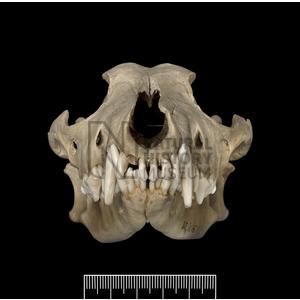
Charles Darwin described a canid on the Falkland Islands, off the east coast of Argentina, but it has long been extinct. Darwin called it Canis antarcticus, placing it in the same genus as the domestic dog, wolf and coyote
Since then, biologists have also puzzled over the Falklands wolf's ancestry, with suggestions that they were related to domestic dogs, North American coyotes, or South American foxes. The wolves were the size of a coyote, but much stockier, with fur the color of a red fox. They had short muzzles, just like gray wolves, and thick, wooly fur.
Researchers using measurements of the cosmic microwave background - a faintly glowing relic of the hot, dense, young universe - say their results provide support for the cosmological model of the universe - a prediction that dark matter and dark energy make up 95% of everything in existence while ordinary matter makes up just 5%.
Writing in The Astrophysical Journal, researchers on the QUaD telescope project have released detailed maps of the cosmic microwave background (CMB); they focused their measurements on variations in the CMB's temperature and polarization to learn about the distribution of matter in the early universe.
Dust samples collected by high-flying aircraft have found relicts from the ancient cosmos, according to scientists from the Carnegie Institution.
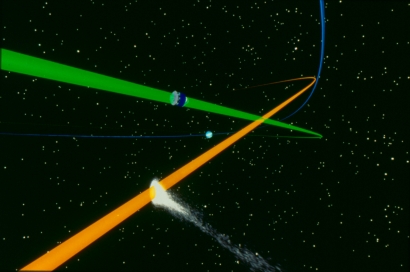
This stratospheric dust includes minute grains that likely formed inside stars that lived and died long before the birth of our sun as well as material from molecular clouds in interstellar space. This 'ultra-primitive' material likely drifted into the atmosphere after the Earth passed through the dust trail of comet Grigg-Skjellerup, giving scientists a rare opportunity to study cometary dust in the laboratory.
How to explain modern belief? A rising number of people report having no formal religious affiliation but the number of Americans who say they pray has increased, according to a new survey from the University of Chicago.
'Spiritual but not religious' as a growing category seems to mean very little, since it seeks to straddle two different worlds, but the results are telling; in addition to an increased number of people who pray, a growing number believe in the afterlife. When asked how they view God, the most common responses were the traditional images of father and judge.
So it seems to be formal religion that is on the wane, not an increase in secular or atheist sentiment.
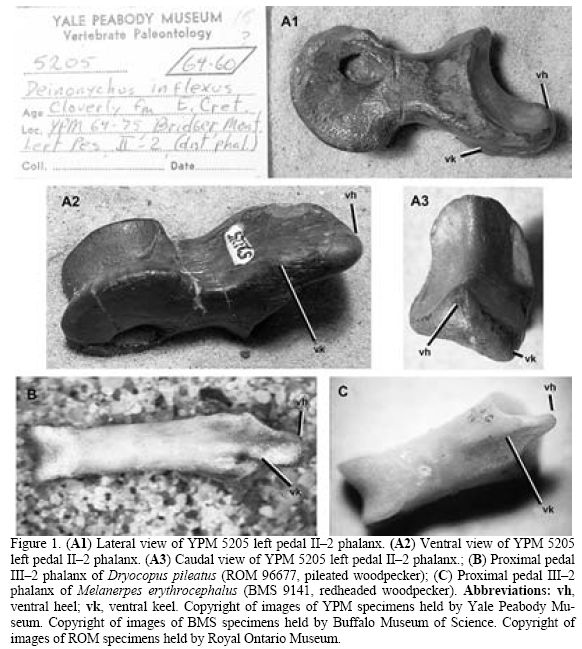
A new species of dinosaur, an ankylosaur, that lived 112 million years ago during the early Cretaceous of central Montana has been described by paleontologists writing in the Canadian Journal of Earth Sciences and the Bulletin of the Buffalo Society of Natural Sciences.
Ankylosaurs are the biological version of an army tank; they were protected by a plate-like armor with two sets of sharp spikes on each side of the head, and a skull so thick that even 'raptors' such as Deinonychus could leave barely more than a scratch.


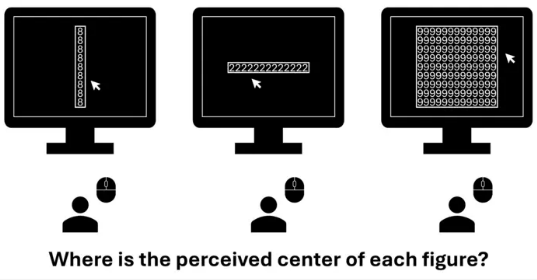 Object-Based Processing: Numbers Confuse How We Perceive Spaces
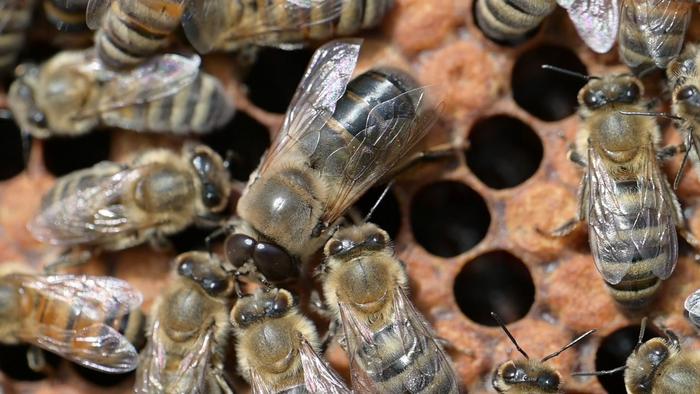 Males Are Genetically Wired To Beg Females For Food
 The Scorched Cherry Twig And Other Christmas Miracles Get A Science Look
 $0.50 Pantoprazole For Stomach Bleeding In ICU Patients Could Save Families Thousands Of Dollars