A group of archaeologists and paleobiologists say they have discovered flax fibers in a cave in the Republic of Georgia that are more than 34,000 years old, making them the oldest fibers known to have been used by humans.
The flax, which would have been collected from the wild and not farmed, could have been used to make linen and thread, they say. The cloth and thread could then have been used to fashion garments for warmth, sew leather pieces, make cloths, or tie together packs that might have aided the mobility of our ancient ancestors from one camp to another.
Today is the 25th anniversary of the discovery of DNA fingerprinting. So has it done anything important, like given us a real understanding of how men and women communicate?
Well, no, but the University of Leicester Department of Genetics has revealed males and females at least communicate on the fundamental genetic level, an idea which counters scientific theory that the X and Y chromosomes - those that define the sexes - do not communicate at all.
In research published in the American Journal of Human Genetics, Zoë Rosser and colleagues say they have shown that exchange of DNA does occur between the X and Y in the regions previously thought to be completely isolated.
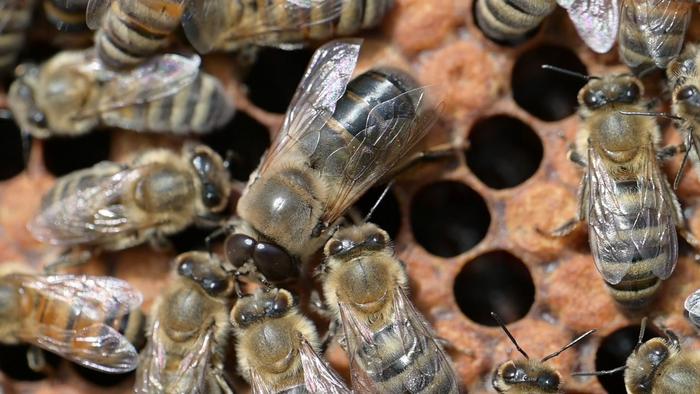
It's not all balloons and ponies in bee colonies, despite what you may have learned. Bees are well known for high levels of cooperation but new research in Molecular Ecology says there is a conflict for reproduction between worker bees and Queens, leading some workers to selfishly exploit the colony for their own needs.
The study focused on Melipona scutellaris, a Brazilian species of highly social stingless bees, found throughout the Atlantic rainforest. Colonies contain around 1,500 workers and are headed by one single-mated Queen.
Scientists in Germany say they may have an alternative to Botox and cosmetic surgery; high-intensity light from light-emitting diodes (LEDs) and a lotion made of green tea extract.
Like all miracle products must, they say in Crystal Growth&Design that it works ten times faster than anti-wrinkle treatment that uses LEDs alone.
Are scientists press shy? Are researchers who engage journalists ridiculed by other researchers as not serious enough?
No, according to a new study by University of Wisconsin-Madison researchers in Journalism&Mass Communication Quarterly - the difference is that scientists who have been trained or otherwise briefed about how to work with journalists are more likely to engage reporters.
The study conducted by journalism professor Sharon Dunwoody, life sciences communication professor Dominique Brossard and graduate student Anthony Dudo says that many mainstream scientists occasionally work with journalists and some do so routinely.
Contrary to more recent claims, that relationship has been steady since the early 1980s.
One of the biggest concerns about president Obama's government health insurance plan is that both quality and waiting lists will suffer in return for broader access. It turns out patients in the UK, where they already have government-run health care, are willing to sacrifice the former if it will reduce the latter.
75% of surgical patients would consider allowing an unsupervised trainee junior doctor perform their entire operation if it meant they could have it done more quickly, according to a survey published in the September issue of BJUI.
80% of those facing minor surgery believed that would be fine and even 68% of those facing major surgery saying they would consider it.


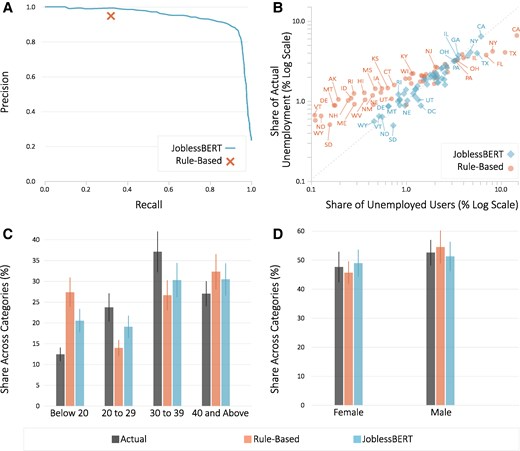 Social Media Is A Faster Source For Unemployment Data Than Government
 Gestational Diabetes Up 36% In The Last Decade - But Black Women Are Healthiest
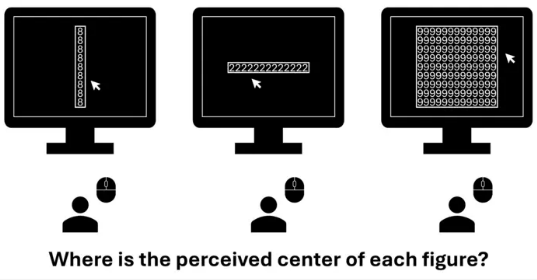 Object-Based Processing: Numbers Confuse How We Perceive Spaces
 Males Are Genetically Wired To Beg Females For Food