Everyone is thorough about checklists of items they want to take on long trips - fewer people worry about things they are supposed to leave behind. But forty years ago, as the Apollo 11 astronauts were completing their checklist to leave the Moon they discovered that they had forgotten something important that wasn't supposed to return to Earth.
An international team has sequenced the genome of Schistosoma mansoni, a parasite that infects 200 million people in 76 countries through freshwater snails.
The US is not one of the affected countries because we don't have the snails that carry the Schistosoma mansoni parasite, though Americans at risk include those traveling in the Peace Corps, on business or for church missions. The new research is the largest genome sequencing of a parasite to date.
A sense of pleasure generated by the brain’s hedonic neural systems is fundamental to daily life and it's been essential for evolution and the survival of humans and most animals, say Morten Kringelbach and Kent Berridge, editors of a new book to be published by Oxford University Press in October 2009 called
Pleasures of the Brain.
New research led by Michael Symonds, Professor of Developmental Physiology in the School of Clincal Sciences at The University of Nottingham, says Brown adipose tissue (BAT), the brown fat found in abundance in hibernating animals and newborn babies, could be the key to new ways of preventing obesity.
Studies have previously shown that BAT activity in adults is reduced with obesity, so logically promoting BAT function could prevent or reduce obesity in some people.
Symonds now says that daylight is a major factor in controlling BAT activity. “Our research has suggested a previously unknown mechanism for controlling BAT function in humans and this could potentially lead to new treatments for the prevention or reversal of obesity.”
Would you like to make your own black hole before the LHC supposedly dooms us all (though it has to stop breaking first before it can unleash physics-induced Eschaton)?
Dartmouth researchers say they may be able to do it.
Writing in Physical Review Letters, they propose a new way of creating reproduction black holes in the laboratory on a much-tinier scale than their science-fiction staples.
The new method, if it works, would create tiny quantum-sized black hole and allow researchers to better understand what physicist Stephen Hawking proposed more than 35 years ago; that black holes are not totally void of activity, they emit photons, what is now called Hawking radiation.
On the big list of environmental challenges we face, you might worry about volcanic ash or industrial soot or farting cows ... some people are even concerned by an obscure greenhouse gas named carbon dioxide. But you probably aren't concerned about the global impact of those rare rocket launches.
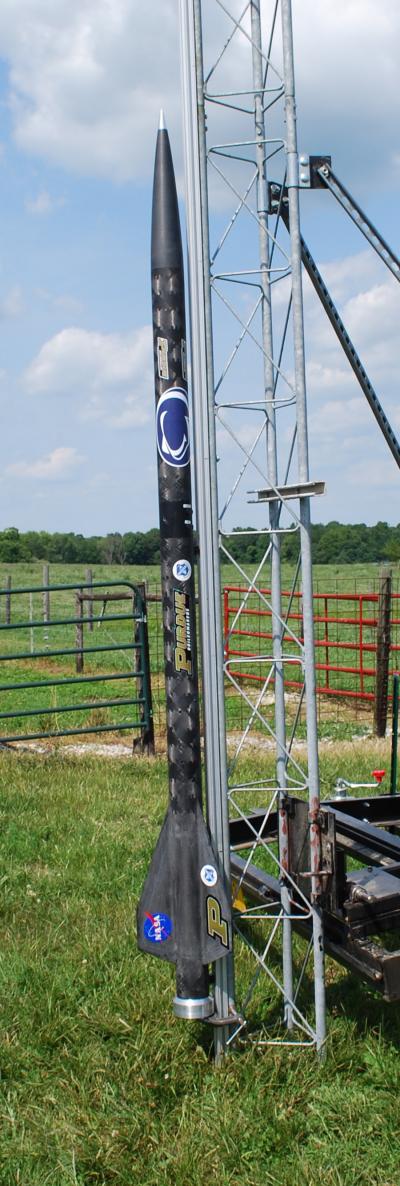
Going green is big, though, so efforts to make green rocket propellant are getting funding. Thus, NASA and the Air Force Office of Scientific Research are pleased to accounce they have successfully launched a small rocket using an environmentally-friendly, safe propellant comprised of aluminum powder and water ice, called ALICE.


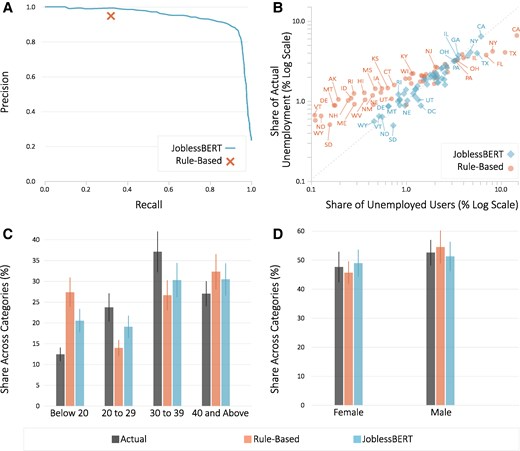 Social Media Is A Faster Source For Unemployment Data Than Government
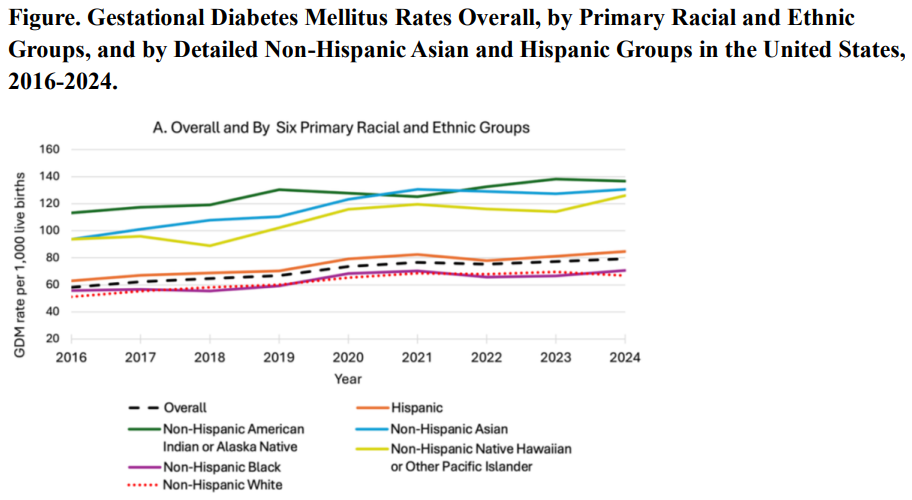 Gestational Diabetes Up 36% In The Last Decade - But Black Women Are Healthiest
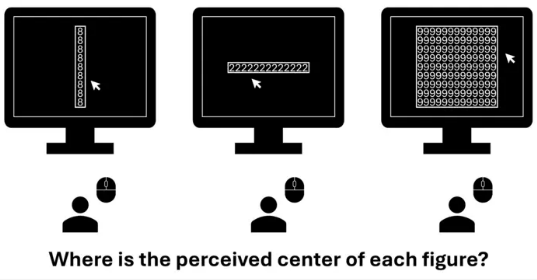 Object-Based Processing: Numbers Confuse How We Perceive Spaces
 Males Are Genetically Wired To Beg Females For Food