Banner
Social Media Is A Faster Source For Unemployment Data Than Government

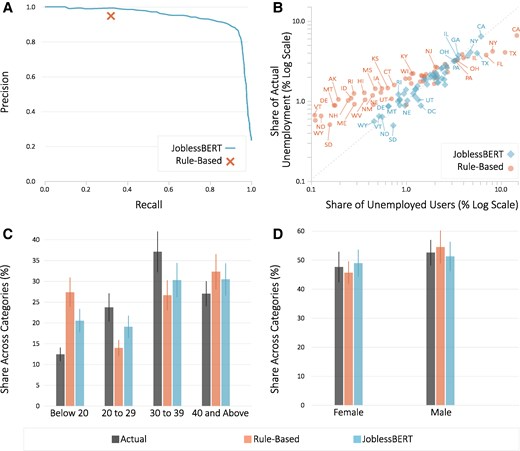
Government unemployment data today are what Nielsen TV ratings were decades ago - a flawed metric...

Gestational Diabetes Up 36% In The Last Decade - But Black Women Are Healthiest

Gestational diabetes, a form of glucose intolerance during pregnancy, occurs primarily in women...

Object-Based Processing: Numbers Confuse How We Perceive Spaces

Researchers recently studied the relationship between numerical information in our vision, and...
Males Are Genetically Wired To Beg Females For Food

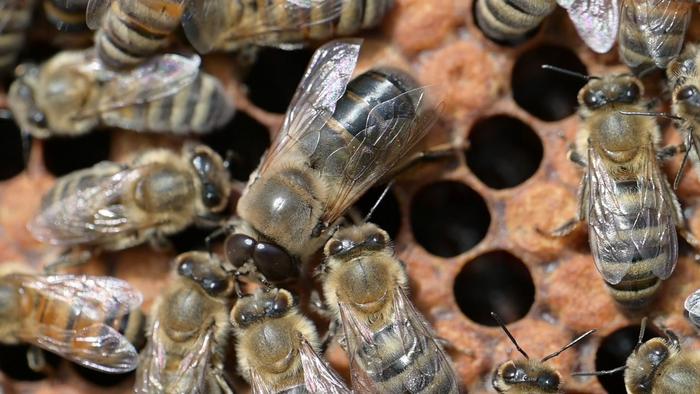
Bees have the reputation of being incredibly organized and spending their days making sure our...

User picture.
News StaffRSS Feed of this column.

News Releases From All Over The World, Right To You... Read More »

Blogroll
NASA scientists have discovered glycine, a fundamental building block of life, in samples of comet Wild 2 returned by NASA's Stardust spacecraft.

"Glycine is an amino acid used by living organisms to make proteins, and this is the first time an amino acid has been found in a comet," said Dr. Jamie Elsila of NASA's Goddard Space Flight Center in Greenbelt, Md. "Our discovery supports the theory that some of life's ingredients formed in space and were delivered to Earth long ago by meteorite and comet impacts."

A University of Texas Health Science Center at Houston study suggests that ancient Chinese herbal formulas used primarily for cardiovascular indications including heart disease may produce large amounts of artery-widening nitric oxide.

Nitric oxide is crucial to the cardiovascular system because it signals the inner walls of blood vessels to relax, which facilitates the flow of blood through the heart and circulatory system. The messenger molecule also eliminates dangerous clots, lowers high blood pressure and reduces artery-clogging plaque formation.
There's great news for movie lovers.   That popcorn slathered in butter at the movie theater may be only mostly bad for you.

Snack foods like popcorn and many popular breakfast cereals contain "surprisingly large" amounts of healthful antioxidant substances called polyphenols, said chemist Joe Vinson, Ph.D., who headed a new study and presented the results at the ACS meeting today.

Polyphenols are one reason why fruits, vegetables and foods like chocolate, wine, coffee, and tea have become renowned for their potential role in reducing the risk of heart disease, cancer, and other diseases. 

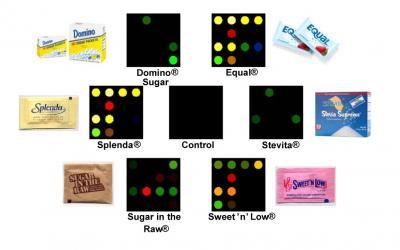
After taking a new approach to developing an effective "electronic tongue" that mimics human taste, scientists in Illinois are reporting development of a small, inexpensive, lab-on-a-chip sensor that quickly and accurately identifies sweetness — one of the five primary tastes. It can identify with 100 percent accuracy the full sweep of natural and artificial sweet substances, including 14 common sweeteners, using easy-to-read color markers.

"Devil's claw" is a plant that may hold a natural for arthritis, tendonitis and other illnesses that affect millions each year.

Years of drought in Africa's Kalahari Desert have pushed the Devil's claw toward extinction but scientists are making headway in efforts to produce the valuable medicinal chemicals of the Devil's claw and one group reported an advance at the American Chemical Society (ACS) meeting. The researchers described the first successful method of producing the active ingredients in Devil's claw — what made it a sensation to natural medicine proponents in Europe.

They say their technique could lead to the development of "biofactories" that produce huge quantities of rare plant extracts quickly and at little cost.
One of the biggest mistakes environmentally conscious people make is thinking that an 'organic' pesticide is somehow superior to an inorganic one.   The word 'organic' may be the most misunderstood word in western Civilization because there is no structural difference in complex, carbon-based molecules whether they were created in a lab or on a tree.

Nature understands exactly what organic means, including what pesticides are designed to do.  Whether or not a small group of people consider them organic is irrelevant - you won't want to eat food treated with Pyrethrin even though it is considered completely 'organic', for example.   

But marketing wins big battles so people want foods produced in more natural ways - enter rosemary, thyme, clove, and mint.