Banner
Social Media Is A Faster Source For Unemployment Data Than Government

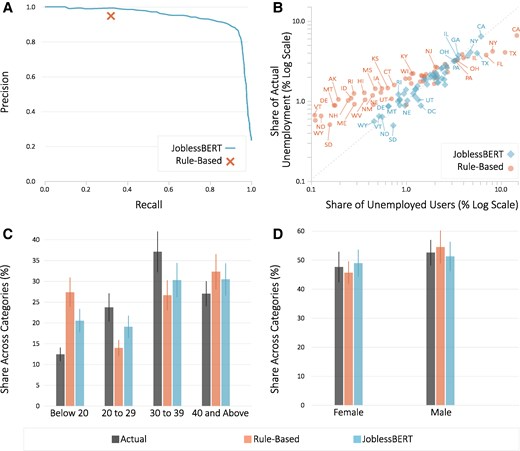
Government unemployment data today are what Nielsen TV ratings were decades ago - a flawed metric...
Gestational Diabetes Up 36% In The Last Decade - But Black Women Are Healthiest

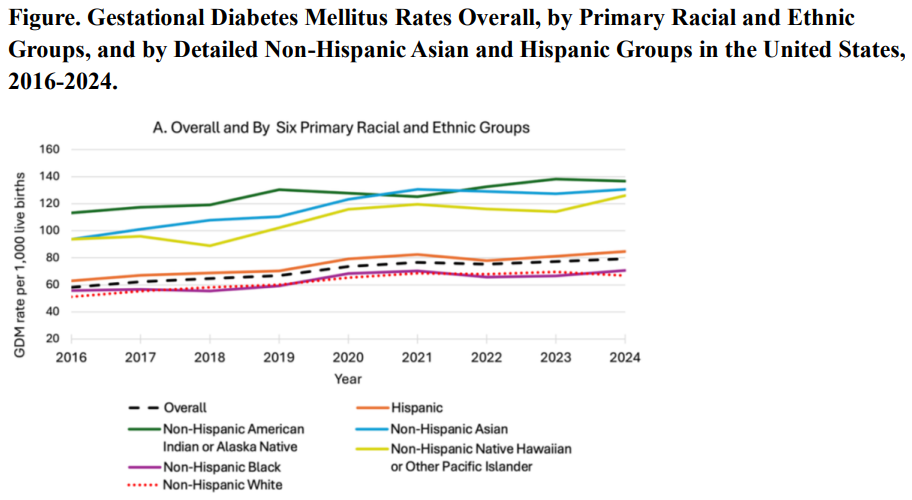
Gestational diabetes, a form of glucose intolerance during pregnancy, occurs primarily in women...
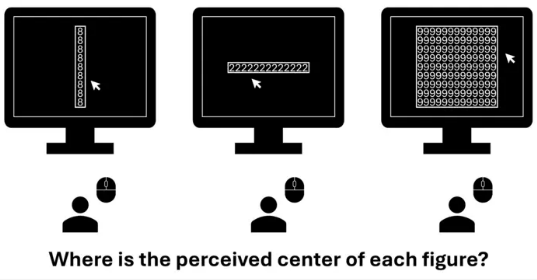
Object-Based Processing: Numbers Confuse How We Perceive Spaces

Researchers recently studied the relationship between numerical information in our vision, and...
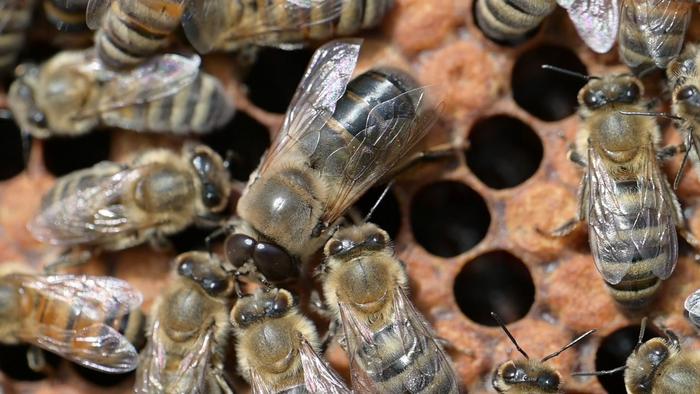
Males Are Genetically Wired To Beg Females For Food

Bees have the reputation of being incredibly organized and spending their days making sure our...

User picture.
News StaffRSS Feed of this column.

News Releases From All Over The World, Right To You... Read More »

Blogroll
Like Goldilocks and her porridge, people today want their food to be perfect.   But when you look at something like a pineapple in a supermarket, how do you know what's 'just ripe' and what is spoiled, or not ripe yet?  They all look the same.

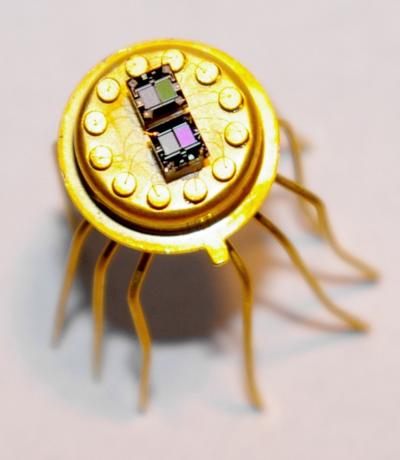
New technology that uses volatile components to detect when pineapple is ripe and when it can be delivered to the supermarket may help. The system has been developed by researchers at the Fraunhofer Institutes for Molecular Biology and Applied Ecology IME in Schmallenberg and for Physical Measurement Techniques IPM in Freiburg to check gas emissions, such as in a warehouse.
Many children born outside of marriage are born to parents in unstable relationships and often live apart from their fathers.   

New research from the Journal of Marriage and Family says that children born outside of marriage are less likely to be visited by their father when the mother becomes involved in a new romantic relationship.  Fathers of illegitimate children are likely to not visit their child at all if the child’s mother forms a new relationship early in the child’s life, especially if the new couple lives together and the new partner becomes involved in childrearing activities.
Scientists say they have discovered a unique 'DNA signature' in human sperm, which may act as a key that unlocks an egg's fertility and triggers new life. 

Drs David Miller and David Iles from the University of Leeds, in collaboration with Dr Martin Brinkworth at the University of Bradford, say they have found that sperm writes a DNA signature that can only be recognized by an egg from the same species. This enables fertilization and may even explain how a species develops its own unique genetic identity. 

Without the right 'key', successful fertilization either cannot occur, or if it does, development will not proceed normally. Notably, disturbances in human sperm DNA packaging are known to cause male infertility and pregnancy failures. 
A new class of antibody drugs may help in treatment of childhood eye diseases but specialists need to be alert for the possibility of serious side effects, according to an editorial in the August Journal of American Association for Pediatric Ophthalmology and Strabismus (AAPOS).


In the editorial, Dr. Robert L. Avery discusses issues related to the use of antibodies against vascular endothelial growth factor (VEGF) in pediatric ophthalmology.


Don't chew someone else's food if you have HIV or AIDS?   Sure, that sounds like common sense but lots of things that seem like common sense to some are abstract to others - try explaining geodesics, Euclidean geometry and spacetime to people who just need a gas station and want to know the quickest route.

But science does studies so common sense can be science rather than urban myth so researchers have verified cases in which HIV was almost certainly transmitted from mothers to children through pre-chewed food.
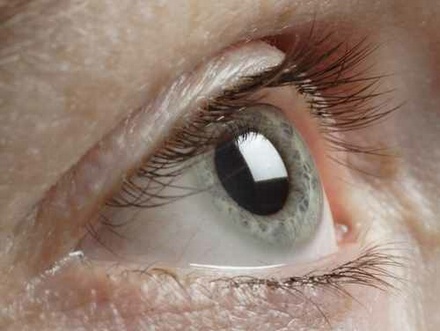
Your mother, despite lacking an expensive lab studying phytochemicals or a PhD (well, for most of us anyway) told you that carrots would help you see better.    

And she was right, but purple carrots here and there may be even better for you because they have anthocyanins.

But carrots are not the only way to go, it turns out.   New research suggests that a diet high in omega-3 fatty acids may help prevent one of the leading causes of legal blindness among the elderly.