Researchers writing in
BMC Infectious Diseases say their numerical model of influenza transmission and treatment suggests that if a H1N1 Swine Flu pandemic behaves like the 1918 flu, antiviral treatments should be reserved for the young.
They argue that providing the elderly with antiviral drugs would not significantly reduce mortality, and may lead to an increase in resistance. This is not a case of young researchers doing social engineering.
H1N1 swine flu has also impacted the young much more than the old, the reverse of traditional flu.
Depressed people may prefer the dark but it won't be a good thing for their cognitive abilities, say researchers writing in Environmental Health.
They used weather data from NASA satellites to measure sunlight exposure across the United States and linked this information to the prevalence of cognitive impairment in depressed people. Shia Kent, from the University of Alabama at Birmingham, led the team of US researchers who used cross-sectional data from 14,474 people in the NIH-NINDS-funded REGARDS study, a longitudinal study investigating stroke incidence and risk factors, to study associations between depression, cognitive function and sunlight.
Superman's X-ray vision may be closer than you think. The tubes that power X-ray machines are shrinking and also improving in clarity.
A team of nanomaterial scientists, medical physicists, and cancer biologists at the University of North Carolina has developed new lower-cost X-ray tubes packed with sharp-tipped carbon nanotubes for cancer research and treatment. This tiny technology was presented at this year's meeting of the American Association of Physicists in Medicine in Anaheim, California.
The science goal is to image human breast tissue, laboratory animals, and cancer patients under radiotherapy treatment, and to irradiate cells with more control than previously possible with conventional X-ray tubes. The fun goal will be just about anything else.
Most people learn more quickly if they are rewarded for making correct decisions but little is understood about how rewards facilitate the learning process.
Studies have shown that if a decision leads to a successful outcome, it is registered in the brain's reward system. The reward stimulus is then relayed to the area of the brain which was responsible for making the decision. In this way, the brain optimizes its processes for improved performance each time.
Researchers say they directly convert spermatogonial stem cells, the precursors of sperm cells, into tissues of the prostate, skin and uterus, an effective alternative to the medical use of embryonic stem cells.
Scientists may be closer to understanding how to grow replacement bones with stem cell technology.
Many scientists are trying to create bone-like materials derived from stem cells to implant into patients who have damaged or fractured bones or who have had parts of diseased bones removed. The idea is that, ultimately, these bone-like materials could be inserted into cavities so that real bone could meld with it and repair the bone.


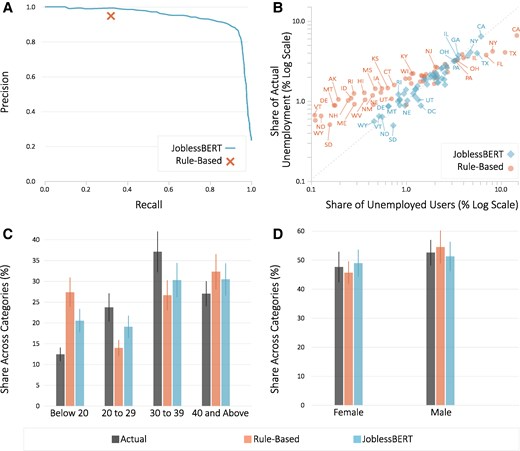 Social Media Is A Faster Source For Unemployment Data Than Government
 Gestational Diabetes Up 36% In The Last Decade - But Black Women Are Healthiest
 Object-Based Processing: Numbers Confuse How We Perceive Spaces
 Males Are Genetically Wired To Beg Females For Food