University of Dundee scientists say they have shown that E. coli, one of the most extensively studied organisms in the world, still has some secrets that may hold the key to human diseases, such as cancer.
The team has examined the genome sequence of this workhorse of the laboratory and spotted three previously unknown genes that, it turns out, are essential for the survival of E. coli and one out of the three could also be implicated in cancer or developmental abnormalities in humans. These mystery genes are also found in numerous other creatures, suggesting a vital role for them across many species. The research will be published in the Journal of Bacteriology.
If you have a 'difficult' baby, don't worry too much about your parenting skills. A new report in Psychological Science says that a child's temperament may be due in part to a combination of a certain gene and a specific pattern of brain activity.
The pattern of brain activity in the frontal cortex of the brain has been associated with various types of temperament in children. For example, infants who have more activity in the left frontal cortex are characterized as temperamentally "easy" and can be soothed with less effort. Conversely, infants with greater activity in the right half of the frontal cortex are temperamentally "difficult" and are easily distressed and require more effort to soothe.
A study done by Stanford University School of Medicine and Stanford Hospital&Clinics suggests that the use of a dietary supplement after Roux-en-Y gastric bypass surgery can help obese patients to more quickly lose weight and to avoid deficiency of a critical B vitamin.
The cluster of stars surrounding a supermassive black hole after it has been ejected from a galaxy are a new kind of astronomical object, according to a paper published in Astrophysical Journal.
More importantly, the stars contain a 'fossil record' from the 'kicking' galaxy.
The phrase 'like herding cats' resonates with people for a reason; it's difficult to get them to do anything they don't already want to do.
But they have no problem getting humans to do their bidding, according to a report published in Current Biology, which shows that even biologists are concerned about future feline-human relations.
It seems crafty felines accelerate the filling of food dishes by sending a mixed signal: an urgent meowing coupled with an otherwise pleasant purr. Humans find it annoying and difficult to ignore. It's not April 1st or December so calibrate your belief accordingly.
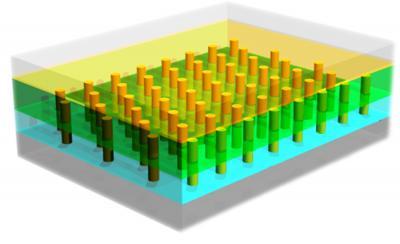
Researchers at Lawrence Berkeley National Lab and UC Berkeley say they have demonstrated a way to fabricate efficient solar cells from low-cost, flexible materials; optically active semiconductors in arrays of nanoscale pillars, each a single crystal, with dimensions measured in billionths of a meter.


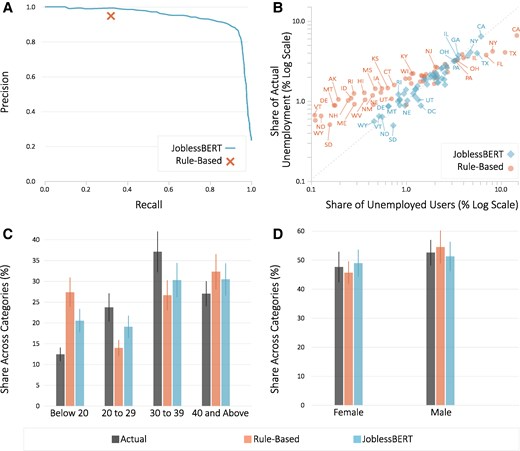 Social Media Is A Faster Source For Unemployment Data Than Government
 Gestational Diabetes Up 36% In The Last Decade - But Black Women Are Healthiest
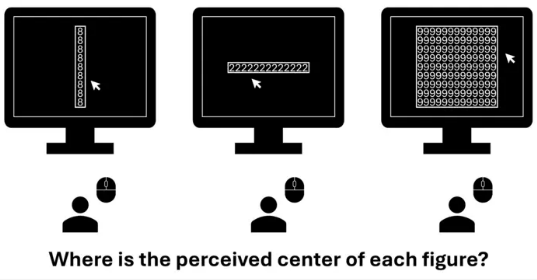 Object-Based Processing: Numbers Confuse How We Perceive Spaces
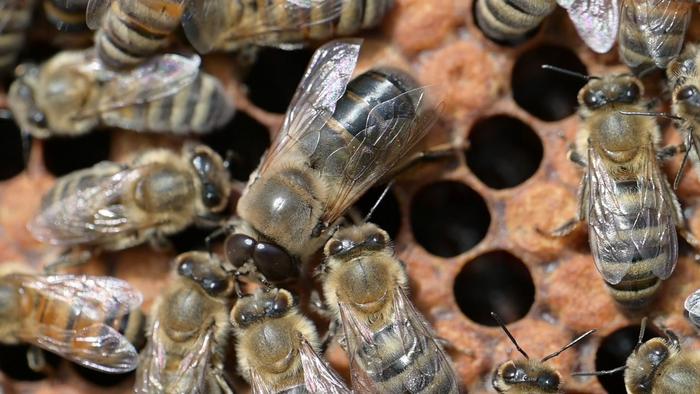 Males Are Genetically Wired To Beg Females For Food