
Banner
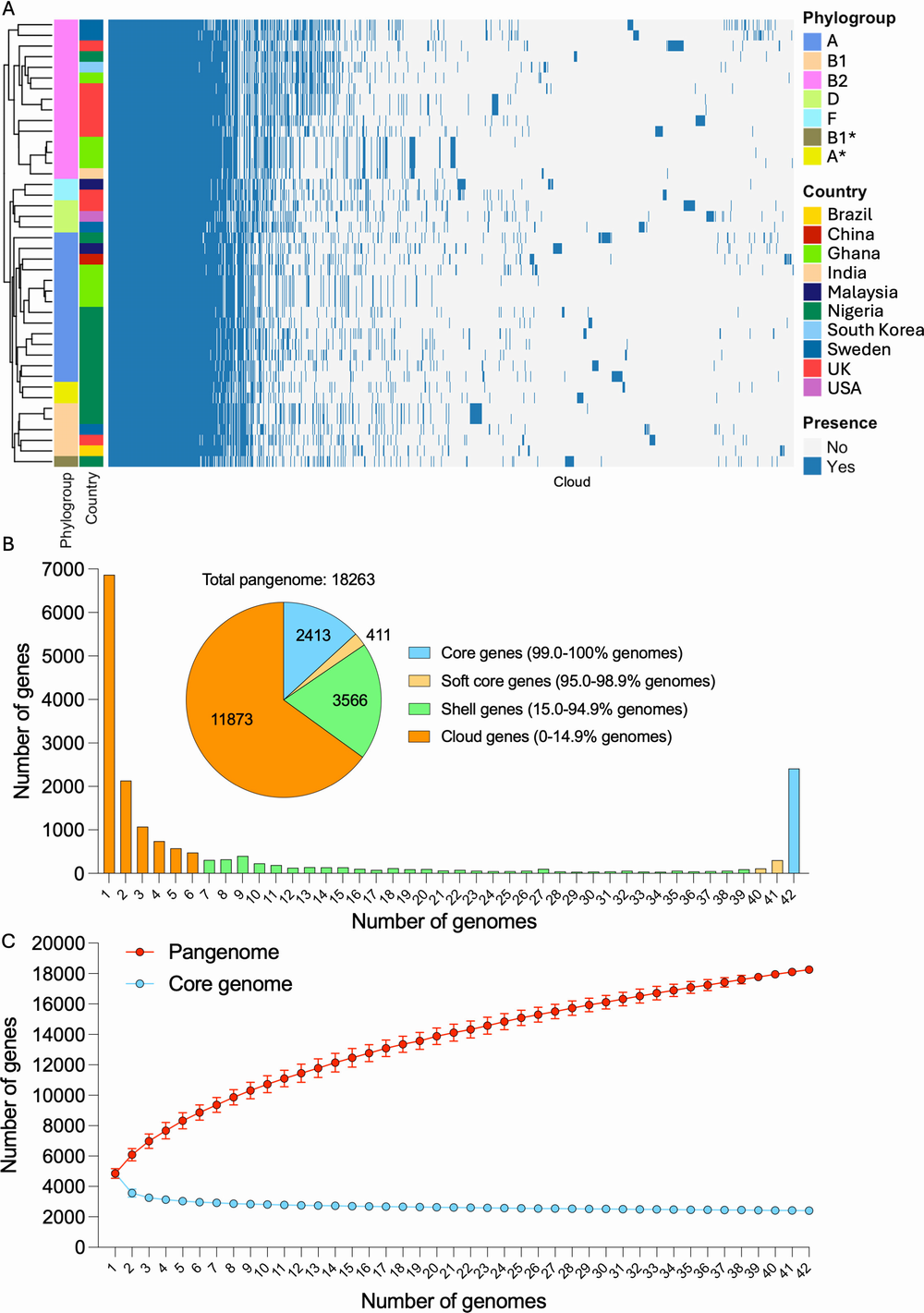
E. Coli Linked To Diabetic Foot Infections Gets Worldwide Analysis

Diabetic foot infections are a serious complications of diabetes and a leading cause of lower-limb...
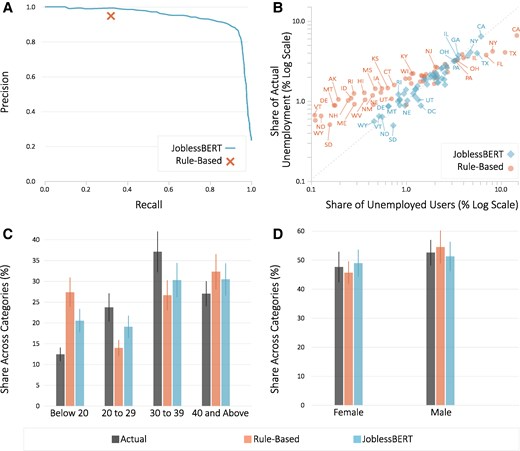
Social Media Is A Faster Source For Unemployment Data Than Government

Government unemployment data today are what Nielsen TV ratings were decades ago - a flawed metric...
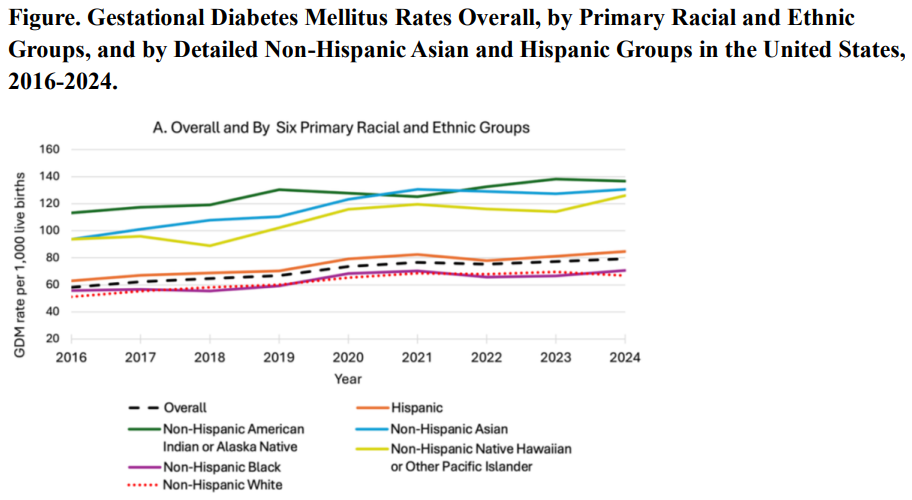
Gestational Diabetes Up 36% In The Last Decade - But Black Women Are Healthiest

Gestational diabetes, a form of glucose intolerance during pregnancy, occurs primarily in women...

Object-Based Processing: Numbers Confuse How We Perceive Spaces

Researchers recently studied the relationship between numerical information in our vision, and...

User picture.
News StaffRSS Feed of this column.

News Releases From All Over The World, Right To You... Read More »

Blogroll

Fish oil, it's been touted as an answer to Alzheimers, arthritis and even weight-loss but now a Queensland University of Technology researcher will test its health benefits in people with chronic kidney disease.

Dietitian Rachel Zabel, from QUT's Institute of Health and Biomedical Innovation in Brisbane, Australia, will investigate the effects of fish oil on patients with kidney disease undergoing dialysis.

A recent describes a new agent, called "Zorro-LNA," which has the potential to stop genetic disorders in their tracks. In the study, researchers from the Karolinska Institute in Stockholm, Sweden, describe how they developed Zorro-LNA to bind with both strands of a gene’s DNA simultaneously, effectively disabling that gene.

This development has clinical implications for virtually every human condition caused by or worsened by dominant defective genes. Examples include: Huntington’s disease, familial high cholesterol, polycystic kidney disease, some instances of glaucoma and colorectal cancer, and neurofibromatosis, among others.

The heart is one of the most energy demanding organs of the human body. Its failure to function properly accounts for 600,000 deaths each year. Similarly, the rainbow trout, native to the Pacific Northwest and beloved as a sport- and food fish, requires dynamic and sustained cardiac function to maintain its health and swimming activity.

Among flagship species for conservation, Lonesome George is perhaps the most renowned. Long thought to be the sole survivor of a species of giant Galápagos tortoise (Geochelone abingdoni), this conservation icon may not be alone for much longer. Researchers headed by investigators at Yale University report these findings in work published online on April 30th in the journal Current Biology.

What a person says is not necessarily an indication of what that person knows because speech is motivated by social circumstances and the desire to influence the listener. Two researchers at the University of Missouri-Columbia have applied this principle to local environmental knowledge by indigenous peoples and are urging other scientists to incorporate more observation and skepticism into their studies.

An international team of scientists led by Scripps Institution of Oceanography at UC San Diego and the Department of Energy's (DOE) Joint Genome Institute has peered into the genetic makeup of two species of phytoplankton, the tiny plants key in global photosynthesis and carbon cycling, and come away with surprising results about evolutionary engineering and new ideas about the role that a poorly understood chemical element may play in the world's oceans.





