Banner
Ousiometrics Analysis Says All Human Language Is Biased

A new tool drawing on billions of uses of more than 20,000 words and diverse real-world texts claims...

Wavelengths Of Light Are Why CO2 Cools The Upper Atmosphere But Warms Earth

There are concerns about projected warming on the Earth’s surface and in the lower atmosphere...

Here's Where Your Backyard Was 300 Million Years Ago

We may use terms like "grounded" and terra firma to mean stability and consistency but geology...

Convergent Evolution Cheat Sheet Now 120 Million Years Old

One tenet of natural selection is a random walk of genes but nature may be more predictable than...

User picture.
News StaffRSS Feed of this column.

News Releases From All Over The World, Right To You... Read More »

Blogroll

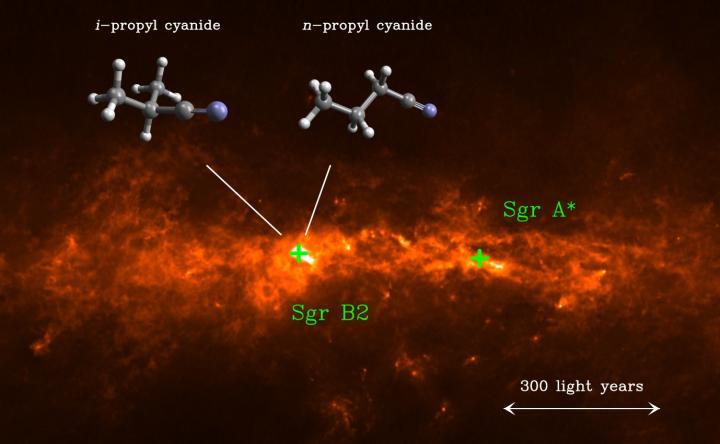
Scientists have time detected a carbon-bearing molecule with a "branched" structure in interstellar space.

The molecule, iso-propyl cyanide (i-C3H7CN), was discovered in the giant gas cloud Sagittarius B2, a region of ongoing star formation close to the center of our galaxy that is a hot-spot for molecule-hunting astronomers.

If good things come in small packages, then nanoparticles are going to make engineers very happy.

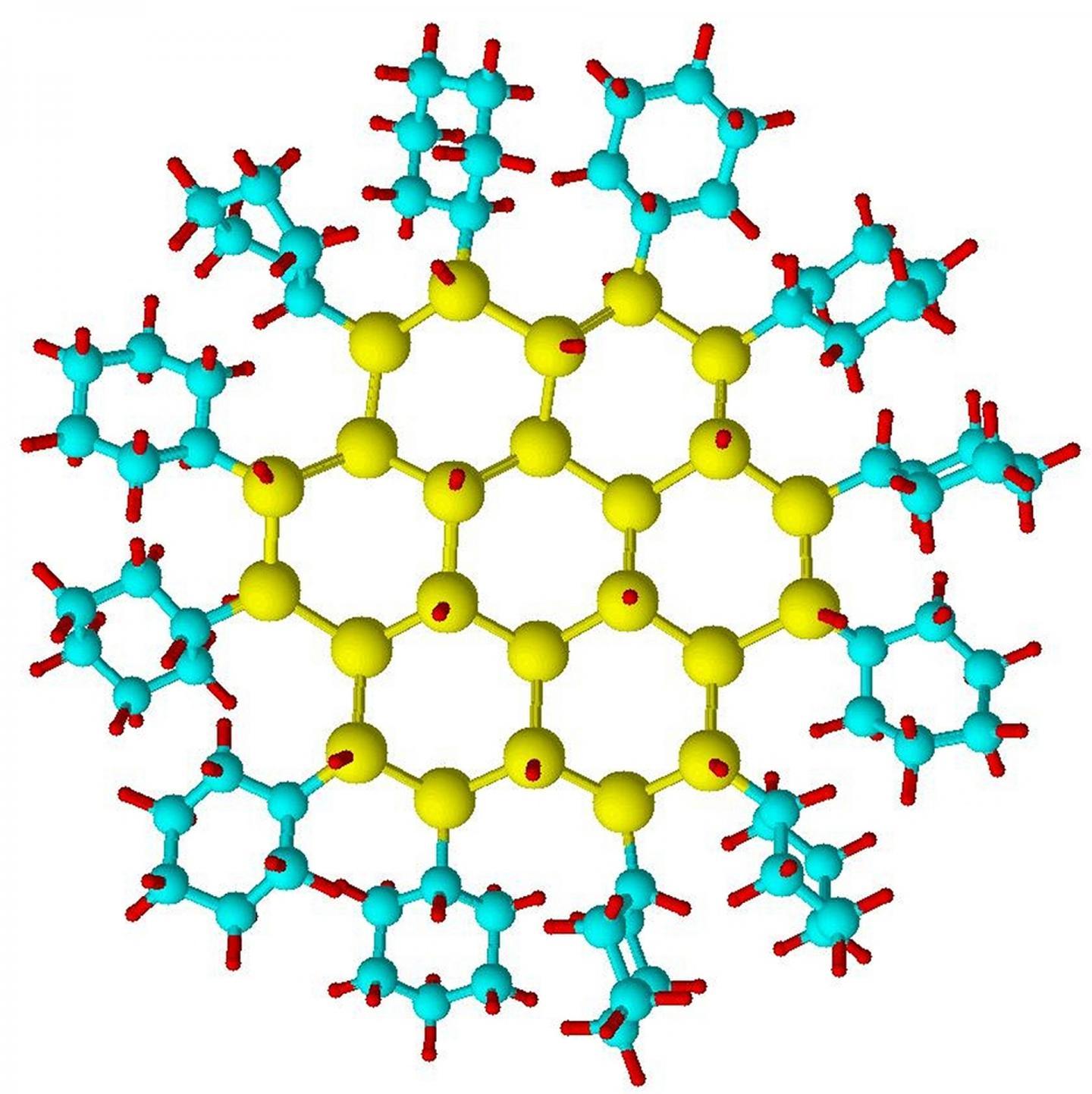
The National Institute of Standards and Technology (NIST) recently issued Reference Material (RM) 8027, the smallest known reference material ever created for validating measurements of these man-made, ultra-fine particles between 1 and 100 nanometers (billionths of a meter) in size.

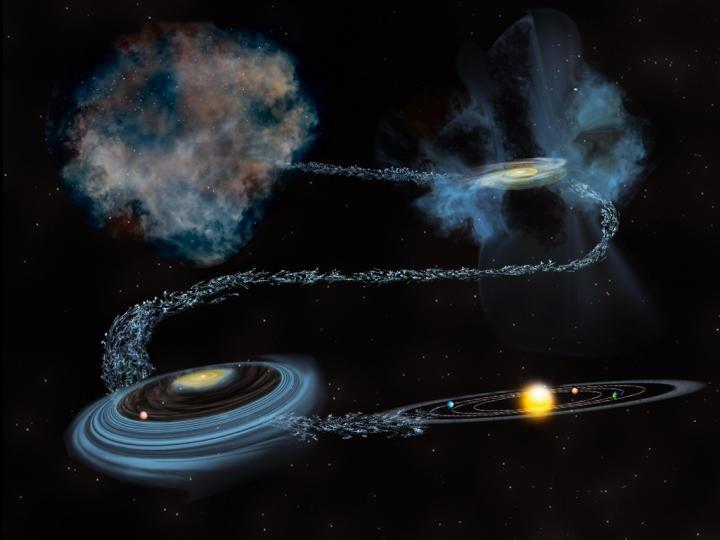
It's no surprise that water was crucial to the formation of life on Earth. What may surprise you is that water on earth is older than the sun itself.

Identifying the original source of Earth's water is key to understanding how life-fostering environments came into being and how likely they are to be found elsewhere. A new paper in Science says that much of our Solar System's water likely originated as ices that formed in interstellar space. Water is found throughout the Solar System, not just on Earth; on icy comets and moons, and in the shadowed basins of Mercury and in mineral samples from meteorites, the Moon, and Mars. 

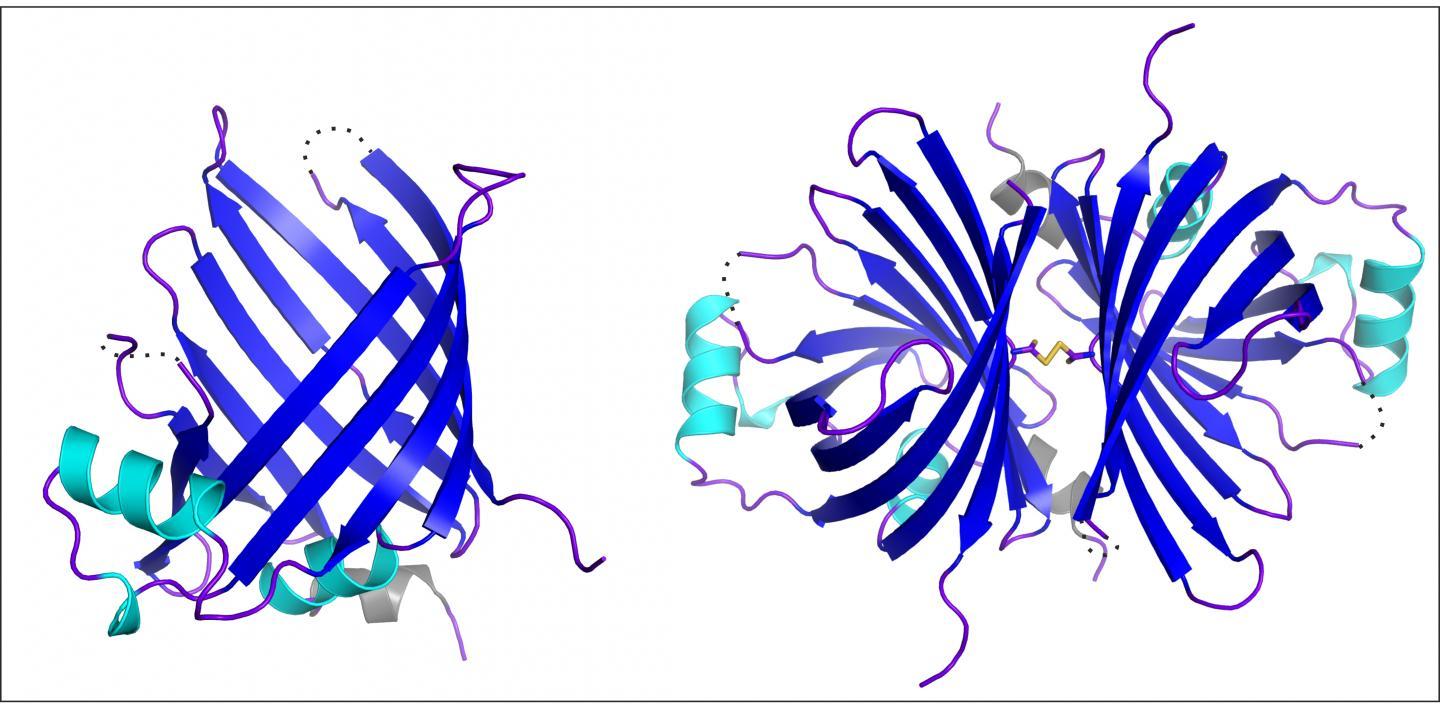
A team of researchers headed by Prof Dr. Nicole Frankenberg-Dinkel at Ruhr-University Bochum have revealed similarities and differences in the assembly of the light-harvesting machinery of the cryptophyte Guillardia theta compared to cyanobacteria and red algae.

Cryptophytes: Matryoshka dolls of the waters

Melatonin, a hormone that governs sleep and jet lag in humans, may also drive the mass migration of plankton in the ocean, according to a report by scientists at the European Molecular Biology Laboratory (EMBL) in Heidelberg. 

Melatonin, is essential to maintain our daily rhythm, and the scientists have now discovered that it governs the nightly migration of a plankton species from the surface to deeper waters. The findings, published online today in Cell, indicate that melatonin's role in controlling daily rhythms probably evolved early in the history of animals, and hold hints to how our sleep patterns may have evolved.

Engineers have developed and successfully demonstrated the value of a simple pulley mechanism to improve hand function after surgery. The device, tested in cadaver hands, is one of the first instruments ever created that could improve the transmission of mechanical forces and movement while implanted inside the body.

After continued research, technology such as this may offer new options to people who have lost the use of their hands due to nerve trauma, and ultimately be expanded to improve function of a wide range of damaged joints in the human body.