Banner
Social Media Is A Faster Source For Unemployment Data Than Government

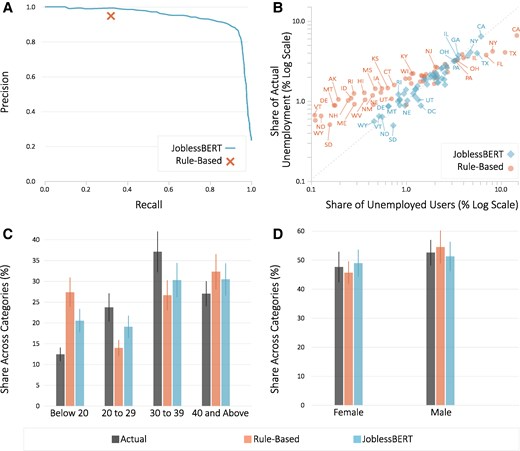
Government unemployment data today are what Nielsen TV ratings were decades ago - a flawed metric...

Gestational Diabetes Up 36% In The Last Decade - But Black Women Are Healthiest

Gestational diabetes, a form of glucose intolerance during pregnancy, occurs primarily in women...

Object-Based Processing: Numbers Confuse How We Perceive Spaces

Researchers recently studied the relationship between numerical information in our vision, and...

Males Are Genetically Wired To Beg Females For Food

Bees have the reputation of being incredibly organized and spending their days making sure our...

User picture.
News StaffRSS Feed of this column.

News Releases From All Over The World, Right To You... Read More »

Blogroll

On Oct. 23rd, 2013, the sun emitted a solar flare, classified as an M9.4 flare on a scale from M1 to M9.9 - near the very top of the scale for M class flares.

Solar flares are powerful bursts of radiation. Harmful radiation from a flare cannot pass through Earth's atmosphere to physically affect humans on the ground, but when they are intense enough they can disturb the atmosphere in the layer where GPS and communications signals travel. Such radiation can disrupt radio signals for as long as the flare is ongoing, anywhere from minutes to hours.

Crystals form the basis for the penetrating icy blue glare of car headlights - they could also be fundamental to the future in solar energy technology?

Manufactured alloy crystals, such as indium gallium nitride or InGaN, form the light emitting region of LEDs, for illumination in the visible range, and of laser diodes (LDs) in the blue-UV range.  

In an article recently published in the journal Applied Physics Letters, researchers revealed the fundamental aspect of a new approach to growing InGaN crystals for diodes, which promises to move photovoltaic solar cell technology toward record-breaking efficiencies.

3K3A-APC, an experimental drug, appears to reduce brain damage and eliminate brain hemorrhaging in older stroke-afflicted mice and stroke-afflicted rats with co-morbid conditions such as hypertension, according to a new study.

The paper finds that 3K3A-APC may be used as a therapy for stroke in humans, either alone or in combination with the FDA-approved clot-busting drug therapy tPA (tissue plasminogen activator). Clinical trials to test the drug's efficacy in people experiencing acute ischemic stroke are expected to begin recruiting patients in the U.S. in 2014.

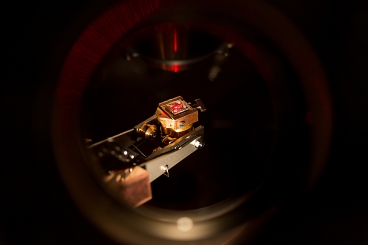
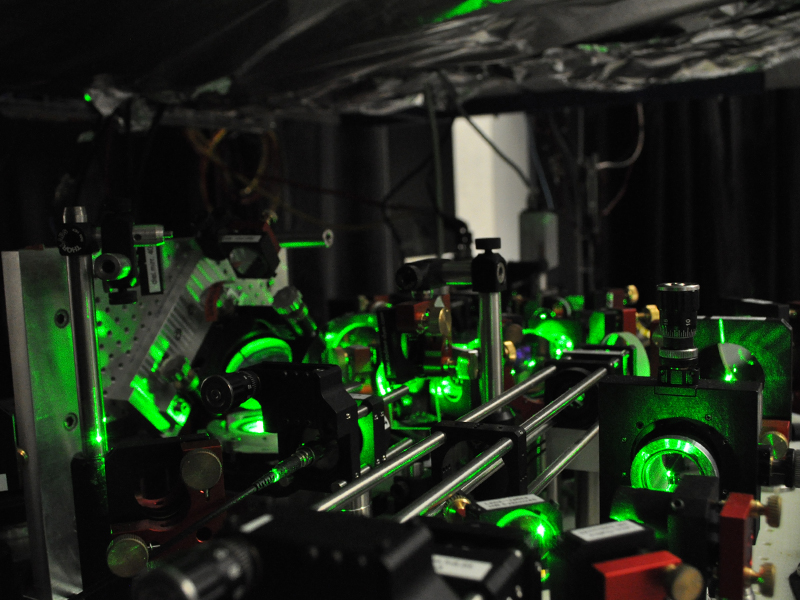
Researchers have made a step toward the creation of materials that can be 'tuned' just by shining a light on them - they have succeeded in producing and measuring a coupling of photons and electrons on the surface of an unusual type of material called a topological insulator. This type of coupling had been predicted by theorists but never observed.

Their method involves shooting femtosecond (millionths of a billionth of a second) pulses of mid-infrared light at a sample of material and observing the results with an electron spectrometer, a specialized high-speed camera the team developed.

Thermoelectric materials were discovered in the 19th century and have the remarkable property that heating them creates a small electrical current - but adopting them to the 21st century has been a challenge. 

When organ donations after death are a topic, the altruism argument is easily made. But during life, it is more complex.

Kidney transplantation is the best treatment for patients with kidney failure. Unfortunately, there's a shortage of kidneys available to those in need of a transplant, and donation rates from both living and deceased donors have remained relatively unchanged over the last decade.  Some people aren't going to have willing donors or even matching ones but when the notion of paying for donations is introduced, the implication is this will be a new front in the class war - organs of poor people will be harvested for the rich.