Banner
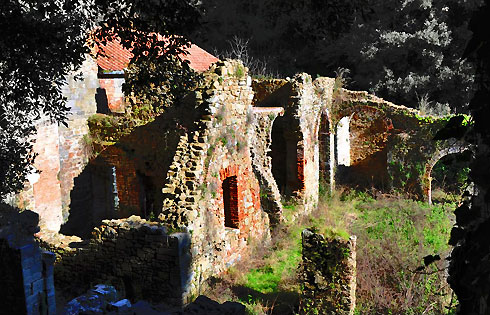
The Scorched Cherry Twig And Other Christmas Miracles Get A Science Look

Bleeding hosts and stigmatizations are the best-known medieval miracles but less known ones, like ...
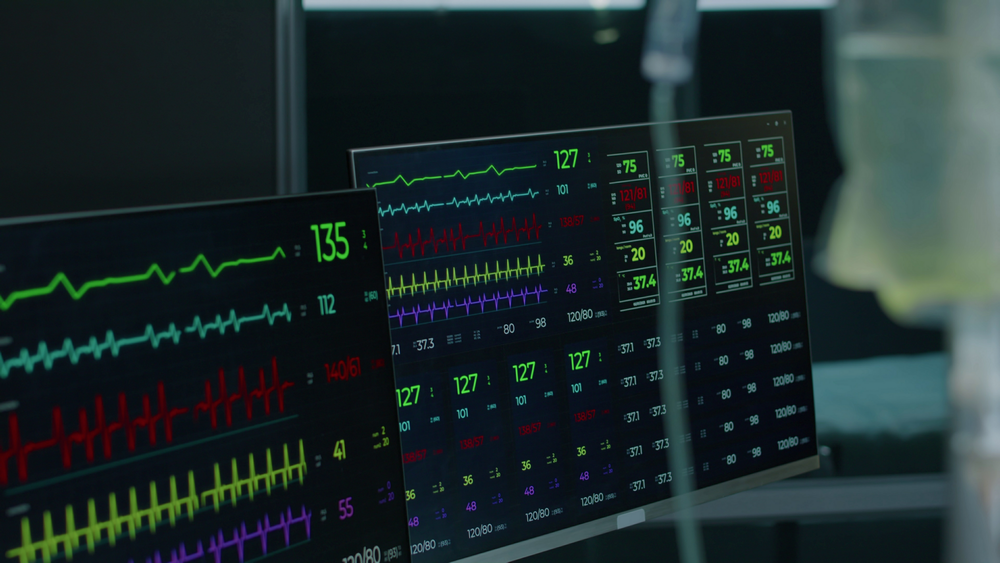
$0.50 Pantoprazole For Stomach Bleeding In ICU Patients Could Save Families Thousands Of Dollars

The inexpensive medication pantoprazole prevents potentially serious stomach bleeding in critically...
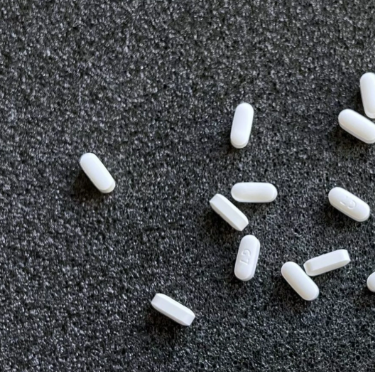
Metformin Diabetes Drug Used Off-Label Also Reduces Irregular Heartbeats

Adults with atrial fibrillation (AFib) who are not diabetic but are overweight and took the diabetes...

Your Predator: Badlands Future - Optical Camouflage, Now Made By Bacteria

In the various 'Predator' films, the alien hunter can see across various spectra while enabling...

User picture.
News StaffRSS Feed of this column.

News Releases From All Over The World, Right To You... Read More »

Blogroll
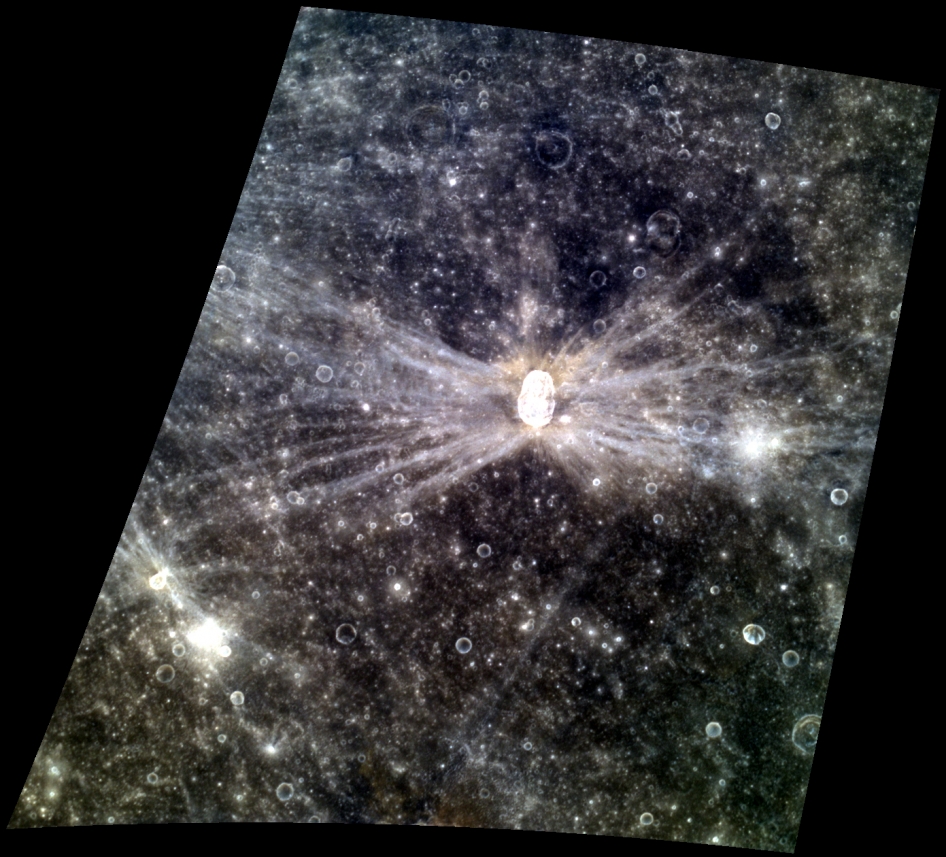
A color image, taken on May 1st, 2013 by the Wide Angle Camera (WAC) instrument aboard NASA's MESSENGER spacecraft orbiting Mercury, features the Hovnatanian crater, named for Armenian painter Hakop Hovnatanian.

The crater's elliptical shape and the bright rays' butterfly pattern indicate that a very oblique impact produced the crater. The brightness of the rays indicate that they are relatively young features on Mercury's surface.

The sleeping patterns of baby birds are similar to that of baby mammals they even appear to change in the same way as it does in humans.

Studying barn owls in the wild, researchers from the Max Planck Institute for Ornithology and the University of Lausanne discovered that this change in sleep is strongly correlated with the expression of a gene involved in producing dark, melanic feather spots, a trait known to covary with behavioral and physiological traits in adult owls. They speculate that sleep-related developmental processes in the brain contribute to the link between melanism and other traits observed in adult barn owls and other animals.

The K Computer has been used by researchers from the RIKEN HPCI Program for Computational Life Sciences, the Okinawa Institute of Technology (OIST) in Japan and Forschungszentrum Jülich in Germany to carry out out the largest general neuronal network simulation to date:  1.73 billion nerve cells connected by 10.4 trillion synapses. 

The simulation was made possible by the development of advanced novel data structures for the open-source simulation software NEST.

In August 8th, the VERIS rocket is going to launch from the White Sands Test Facility in New Mexico.

VERIS is short for Very high Resolution Imaging Spectrometer and its 15-minute trip will carry an instrument that can measure properties of the structures in the sun's upper atmosphere down to 145 miles across, some eight times clearer than any similar telescope currently in space.

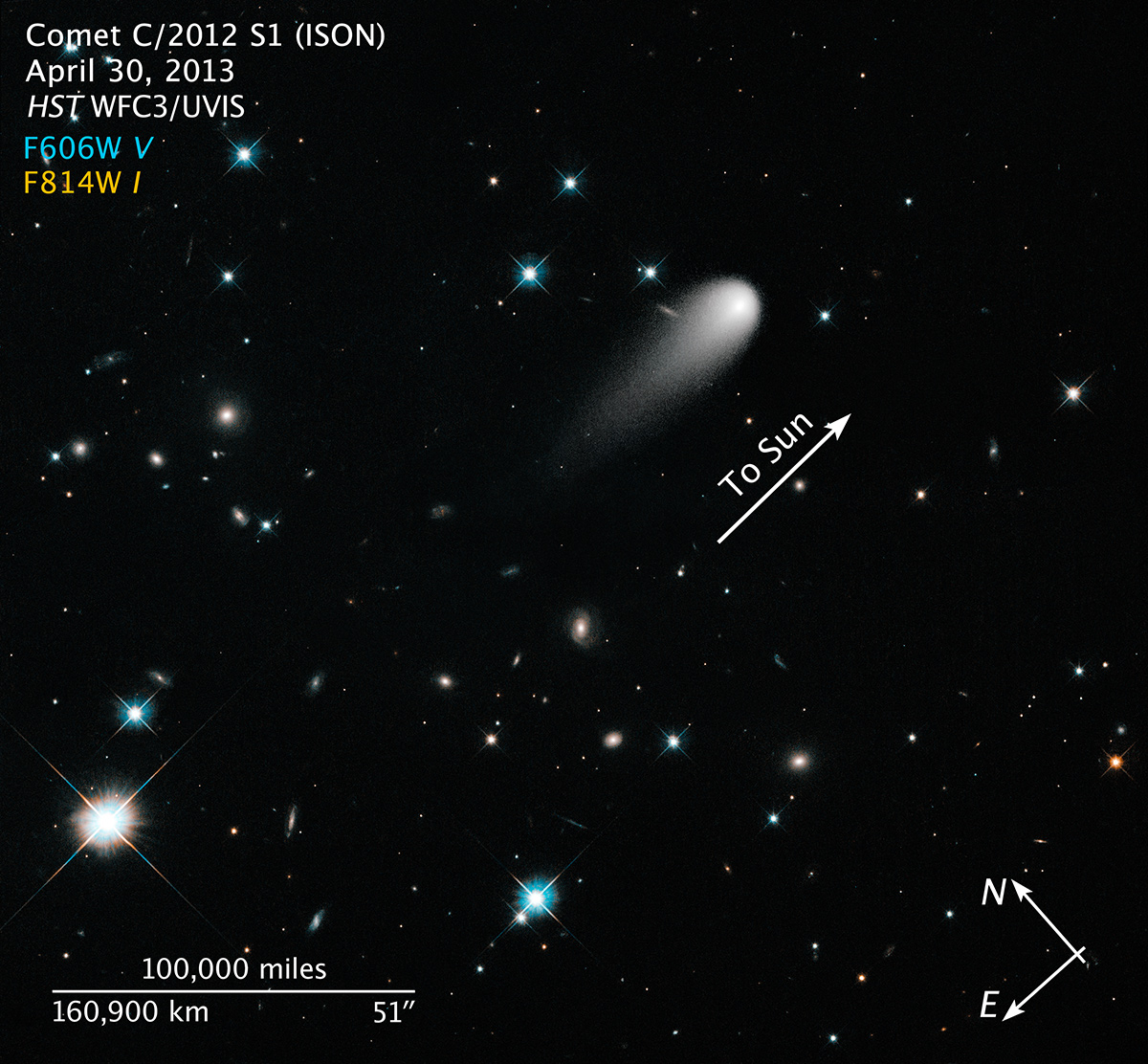
In this Hubble Space Telescope composite image taken in April 2013, the sun-approaching Comet ISON floats against a seemingly infinite backdrop of numerous galaxies and a handful of foreground stars.

The icy visitor, with its long gossamer tail, appears to be swimming like a tadpole through a deep pond of celestial wonders.

In reality, the comet is much, much closer. The nearest star to the Sun is over 60,000 times farther away, and the nearest large galaxy to the Milky Way is over thirty billion times more distant.

These vast dimensions are lost in this deep space Hubble exposure that visually combines our view of the universe from the very nearby to the extraordinarily far away.

Since the United States lacks regulatory guidelines or a standardized risk assessment for herbal supplement use, it falls on pediatricians to try and recognize what natural pharmaceuticals could be impacting the health of mothers and children during breastfeeding.