Banner
The Scorched Cherry Twig And Other Christmas Miracles Get A Science Look

Bleeding hosts and stigmatizations are the best-known medieval miracles but less known ones, like ...

$0.50 Pantoprazole For Stomach Bleeding In ICU Patients Could Save Families Thousands Of Dollars

The inexpensive medication pantoprazole prevents potentially serious stomach bleeding in critically...
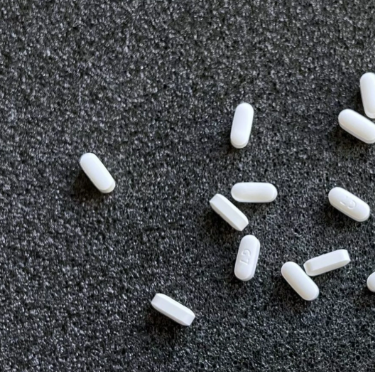
Metformin Diabetes Drug Used Off-Label Also Reduces Irregular Heartbeats

Adults with atrial fibrillation (AFib) who are not diabetic but are overweight and took the diabetes...

Your Predator: Badlands Future - Optical Camouflage, Now Made By Bacteria

In the various 'Predator' films, the alien hunter can see across various spectra while enabling...

User picture.
News StaffRSS Feed of this column.

News Releases From All Over The World, Right To You... Read More »

Blogroll

Celiac disease who had persistent intestinal damage - identified with repeat biopsy - showed a higher risk of lymphoma than patients whose intestines healed, according to a new paper.

Celiac disease is an autoimmune disease that affects up to one percent of individuals in Western nations and is characterized by damage to the lining of the small intestine that, over time, reduces the body's ability to absorb components of common foods. The damage is due to a reaction to eating gluten, which is found in wheat, barley, and rye.

Lifelong exposure to soy genistein, a bioactive component in soy foods, protects against colon cancer by repressing a signal that leads to accelerated growth of cells, polyps, and eventually malignant tumors, according to a new paper.

Chronic exposure to the soy isoflavone genistein reduced the number of pre-cancerous lesions in the colons of laboratory rats exposed to a carcinogen by 40 percent and reduced Wnt signaling to normal levels.

There is a possible new explanation for a mysterious type of crater on the surface on Mars.  Double-layered ejecta craters (DLEs) are surrounded by debris excavated by an impactor  just like other craters. What makes DLEs different is that the debris forms two distinct layers — a large outer layer with a smaller inner layer sitting on top. These distinctive craters were first documented in data returned from the Viking missions to Mars in the 1970s, and scientists have been trying ever since to figure out how the double-layer pattern forms.

A new study suggests that DLEs are the result of impacts onto a surface that was covered by a layer of glacial ice tens of meters thick.

If you ask conservationists in developed nations why East Africa's Maasai pastoralists hunt lions you get Anthropology 101: to retaliate against lions that kill livestock or to engage in a cultural rite of passage.

Aside from mistranslations of Maasai terms in that conclusion, it is also an oversimplification of their cultural traditions and their relationship with wildlife. What is happening as a result is that not only are outside conservation efforts failing to work on basic grounds, they may even be inciting Maasai to hunt more lions as a form of political protest against outsiders and being patronized.

There is a "thrifty phenotype" hypothesis which suggests that economic conditions present during fetal development that then improve dramatically during a person's childhood lead to poorer health in adulthood. 

In other words, if people are poor, it might be healthier if they stay poor. The evidence: the strikingly high prevalence of Type 2 diabetes in the American South, which the author of a new paper suggests can be partially traced to rapid economic growth between 1950 and 1980.

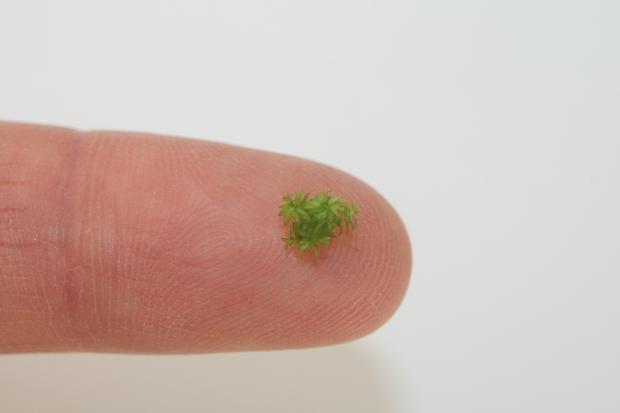
 Mosses are tiny plants with a simple body plan - they have no roots, no flowers and do not produce seeds. It was reasonable to assume they were also simple organisms also at the genetic level.

Not so, a new study describes 32,275 protein-encoding genes from the moss Physcomitrella patens, about 10,000 genes more than the human genome contains.