
Banner
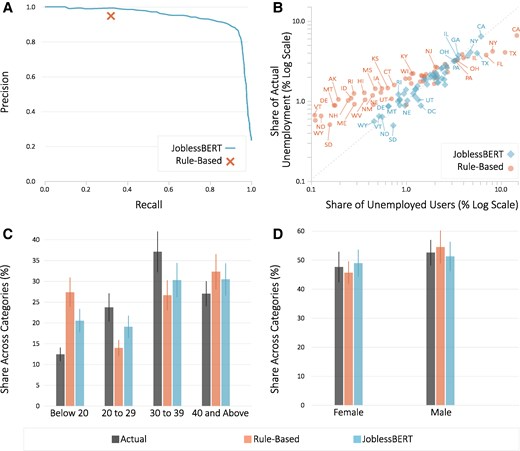
Social Media Is A Faster Source For Unemployment Data Than Government

Government unemployment data today are what Nielsen TV ratings were decades ago - a flawed metric...
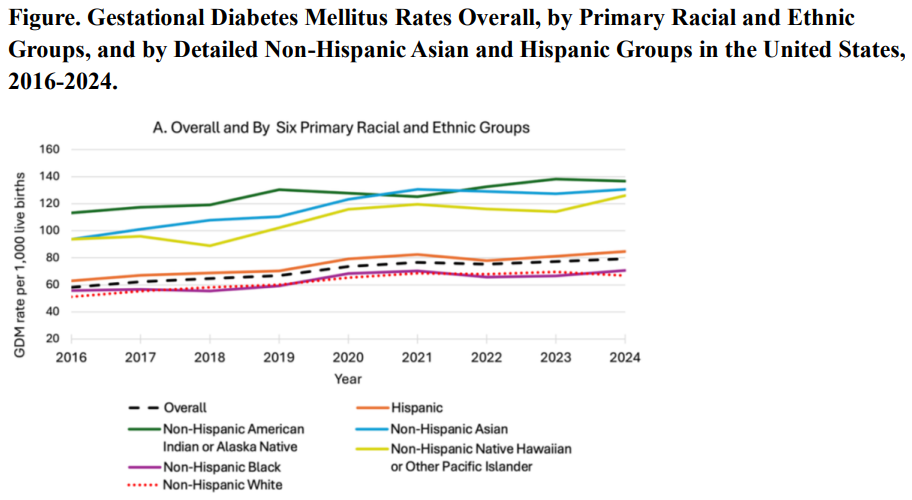
Gestational Diabetes Up 36% In The Last Decade - But Black Women Are Healthiest

Gestational diabetes, a form of glucose intolerance during pregnancy, occurs primarily in women...
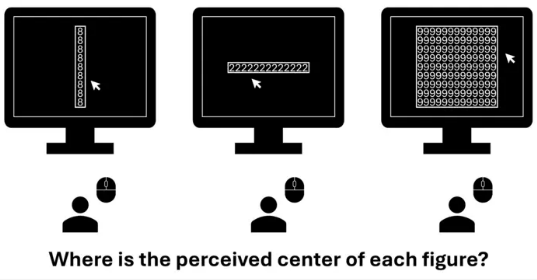
Object-Based Processing: Numbers Confuse How We Perceive Spaces

Researchers recently studied the relationship between numerical information in our vision, and...
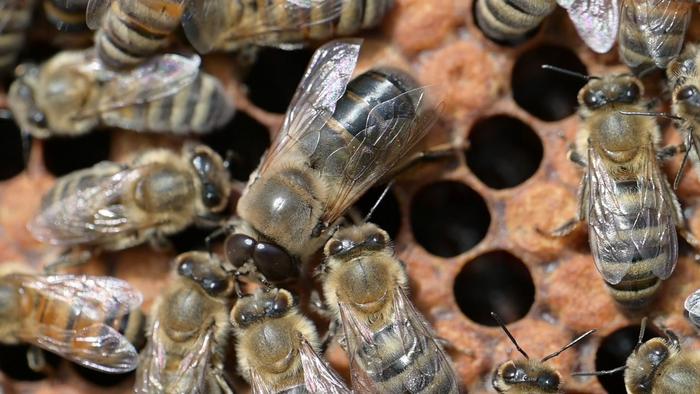
Males Are Genetically Wired To Beg Females For Food

Bees have the reputation of being incredibly organized and spending their days making sure our...

User picture.
News StaffRSS Feed of this column.

News Releases From All Over The World, Right To You... Read More »

Blogroll

Rainfall over the Hawaiian Islands has been declining since 1978.

Is the drying trend due to global warming? Yes, says a team of researchers who found that climate models don't have enough resolution to capture the diverse rainfall pattern over Hawaii, where dry and wet areas often lie only a mile or even less apart, and so devised a method called 'statistical downscaling.'

 They first got a take on the effects of the general drying trend on local heavy-rain days by reanalyzing observations from 1978 to 2010 at 12 rain-gauge stations spread throughout the islands. Studying hundreds of weather patterns during such days, they identified the typical atmospheric circulation patterns in the North Pacific that favor heavy rains over Hawaii. 

Bacterial vaginosis is a condition that occurs when the typical mix of microbes in the vagina is knocked off-kilter, sometimes resulting in a change in the consistency of vaginal fluids and an unpleasant odor. Bacterial vaginosis is diagnosed through examination of the vagina and tests of the vaginal fluids and then typically treated with antibiotics. 

The condition affects as many as one in every three women, making it more common than yeast infections. But bacterial vaginosis often does not cause significant symptoms, leaving many women unaware they have it, but it has been linked to preterm birth and increased risk of sexually transmitted diseases. New research points to a common species of bacteria as an important contributor to bacterial vaginosis.

On March 24th, 1993, astronomers David Levy and Carolyn and Eugene M. Shoemaker discovered the first comet observed orbiting a planet rather than the Sun.  Named Shoemaker-Levy 9 (SL9), it was found to be composed of 21 fragments. Soon after that, orbital studies showed that the comet had passed within Jupiter's Roche limit in July 1992. Inside this limit, the planet's tidal forces are strong enough to disintegrate a body held together by its own gravity, thus explaining SL9's fragmentation.  

Results from "Aviator," AbbVie's phase IIb clinical trial of its investigational direct-acting antivirals (DAAs) for the treatment of hepatitis C virus (HCV) infection, continue to demonstrate high sustained viral response (SVR) rates against genotype 1 HCV, across patient types.

Data show greater than 90 percent SVR were achieved in patients new to treatment and in patients who had previously failed treatment with pegylated interferon and ribavirin (null responders).

At least when it comes to an analysis of malpractice lawsuits, diagnostic errors - not surgical mistakes or medication overdoses - accounted for the largest fraction of claims, the most severe patient harm, and the highest total of penalty payouts. Diagnosis-related payments amounted to $38.8 billion between 1986 and 2010, they found.  

The new analysis looked only at a subset of claims, those that rose to the level of a malpractice payout, but they estimate the number of patients suffering misdiagnosis-related, potentially preventable, significant permanent injury or death annually in the United States ranges from 80,000 to 160,000.

Suicide is the 10th leading cause of death in the United States. Statistics show that 38 percent of suicidal adults and 90 percent of youths had visited their primary care physicians in the 12 months prior to committing suicide.  

An evidence review finds that while there are screening tools to help physicians identify adults at risk for suicide, there's no evidence that using these screening tools in primary care will actually prevent suicides. In adolescents, there are no proven primary care-relevant screening tools to identify suicide risk.  

The U.S. Preventive Services Task Force reviewed evidence for upcoming recommendations on suicide screening and treatment for adults and adolescents and issued a paper.





