Banner
El Niño Climate Effects Shaped By Ocean Salt

Once the weather got political, more attention became focused on the cyclical climate phenomenon...

Could Niacin Be Added To Glioblastoma Treatment?

Glioblastoma, a deadly brain cancer, is treated with surgery to remove as much of the tumor as...

At 2 Months, Babies Can Categorize Objects

At two months of age, infants lack language and fine motor control but their minds may be understanding...

Opportunistic Salpingectomy Reduces Ovarian Cancer Risk By 78%

Opportunistic salpingectomy, proactively removing a person’s fallopian tubes when they are already...

User picture.
News StaffRSS Feed of this column.

News Releases From All Over The World, Right To You... Read More »

Blogroll
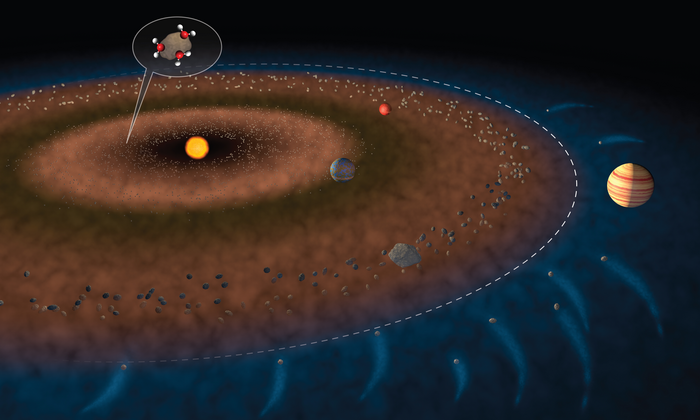
Water is over 70 percent of the surface of the earth but how that came to be, through what mix of random chance and extraterrestrial involvement, has been a debate. Earth is a relatively small planet and relatively near its star so creating large surface oceans is difficult.

A new study analyzed melted meteorites that had been floating around in space since the solar system’s formation four and a half billion years ago and found they had extremely low water content, among the driest extraterrestrial materials ever measured. This led them to conclude that water was likely delivered to Earth via unmelted, or chondritic, meteorites. 
A new study reports abnormalities in functional neural networks of dogs diagnosed with anxiety. Compared with healthy dogs, those with anxiety exhibit stronger connections between the amygdala and other regions of the anxiety network.
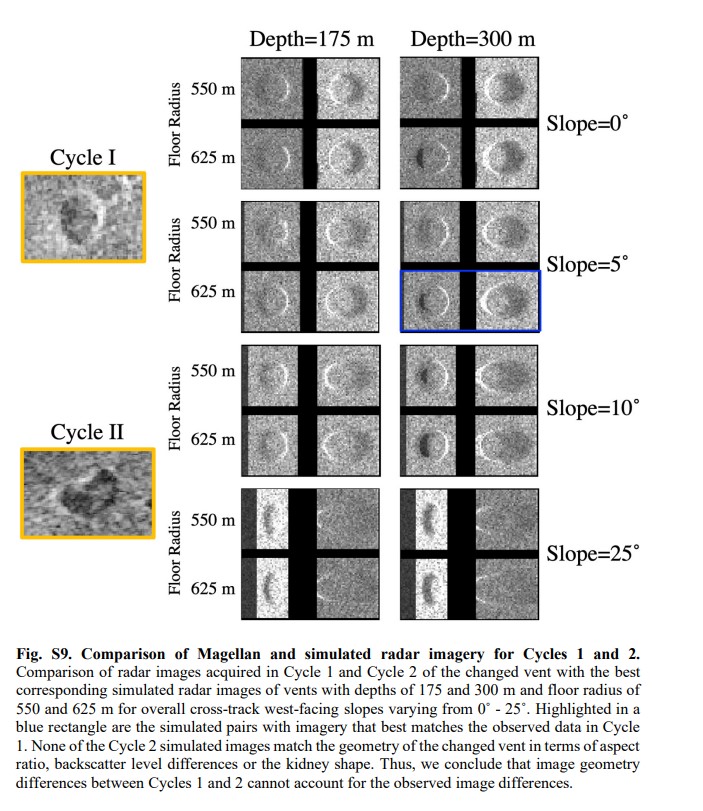
Venus is similar to Earth in size and mass but does not have plate tectonics, which are the primary locations of volcanic activity. A lingering question has always been if there is volcanic activity anyway.
A new small molecule may help people with benzodiazepine-resistant epilepsy. Epilepsy affects an estimated 3.4 million people in the U.S. and millions more worldwide and drugs work for most, but for the rest, Uncontrolled epilepsy and resulting frequent and prolonged seizures lasting five minutes or more that can cause brain cell damage and even death.

Epilepsy occurs when the intricate, delicate balance of signaling by neurons in the brain malfunctions, causing neurons to fire too much and trigger seizures. Benzodiazepines slow down the messages traveling between neurons. Yet up to 30 percent develop drug-resistance after a period of time.
An analysis of the 1.5 million-year-old cranium DAN5/P1, found at the Gona site in Ethiopia, has cranial cranial morphology which indicates that it belongs to the species Homo erectus but near the earliest African stage, where it is sometimes identified using the name H. ergaster.

The fossil is very small for these hominin groups and suggest that its cerebral morphology does not present any traits distinctive to the human genus: its proportions are similar to those of australopiths or species whose evolutionary position, and whether they are from our own lineage, remains to be determined, as is the case with H. habilis.
DART, NASA’s successful double asteroid redirection test in September 2022, had an impact greater than engineers expected - and that means the ability to more accurately move asteroids on a collision course will be greater in the future.

An analysis of the results found the momentum was significantly enhanced by the recoil created from streams of particles produced by the impact.