Banner
Not So Elementary (the Cosmos, That Is)

Recently there are appeared a paper showing how Physics - Iron–Helium Compounds Form Under...

Carbon — to capture or not to capture

This came up on 2nd November 2024 (give or take a day), a broadcaster objecting to a carbon capture...
Betelgeuse, Gamow, and a Big Red Horse

There has been a lot of talk recently of Betelgeuse possibly going supernova this century or not...

User picture.
picture for Hank Campbellpicture for Patrick Lockerbypicture for Hontas Farmerpicture for Helen Barrattpicture for Sascha Vongehrpicture for Sean Gibbons
Robert H OlleyRSS Feed of this column.

Until recently, I worked in the Polymer Physics Group of the Physics Department at the University of Reading.

I would describe myself as a Polymer Morphologist. I am not an astronaut,

... Read More »

Blogroll
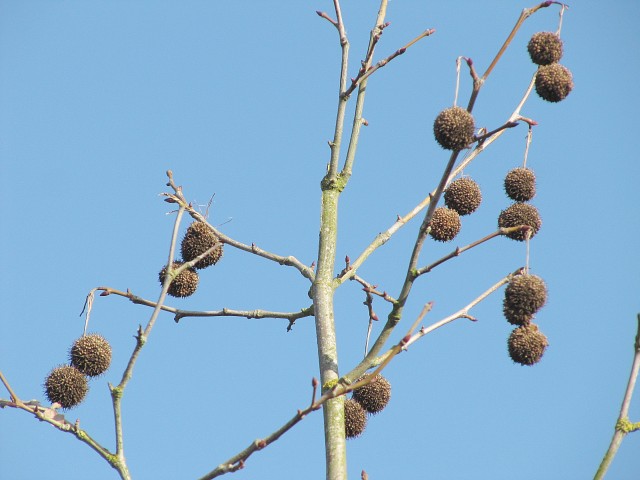
Walking through the main campus of Reading University, where they have been planting a lot of saplings recently, I came across this:


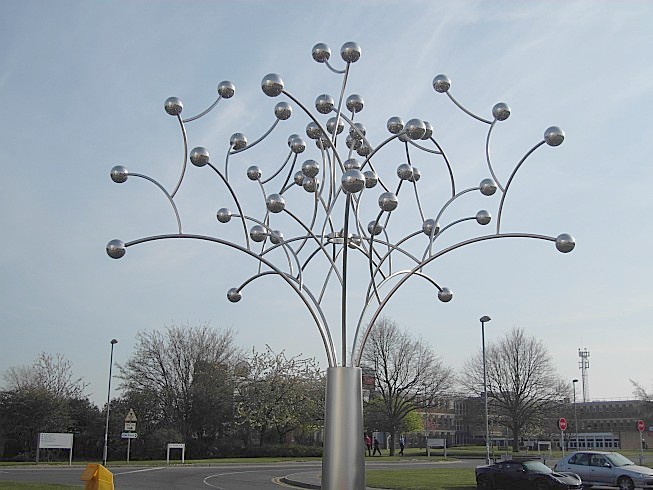
With the sun getting stronger, and the leaves not yet out, one gets some very picturesque views at this time.  These, on a young Plane Tree (Platanus), are probably its first fruits.  They did, however, remind me of this:


Archimedes steps in again.  The MacTutor tells us that
 
“Archimedes considered his most significant accomplishments were those concerning a cylinder circumscribing a sphere, and he asked for a representation of this together with his result on the ratio of the two, to be inscribed on his tomb.”
 
And one year after it was told us how to produce carbon spheres in relative abundance (at least, enough to buy a decent quantity from your laboratory chemical supplier), along comes Sumio Iijima telling us how to make cylinders.
 
When I was a lad, we were taught that carbon had two allotropes, graphite and diamond.  Although they’re both covalently connected, in neither of these is there anything that one would regard as a ‘molecule’. 
Sniffer Rats

Sniffer Rats

Feb 24 2011 | comment(s)

CLICK HERE for some pictures showing how giant African pouched rats are being used to detect land mines and tuberculosis in Tanzania and Mozambique.

Their noses are very sensitive to TNT, and they are proving to be much easier to train than dogs.
A section of the people .... made capital out of their own ignorance.

When I read this I immediately thought of a certain British commentator who denies the anthropogenic contribution to climate change and has attracted a large following.


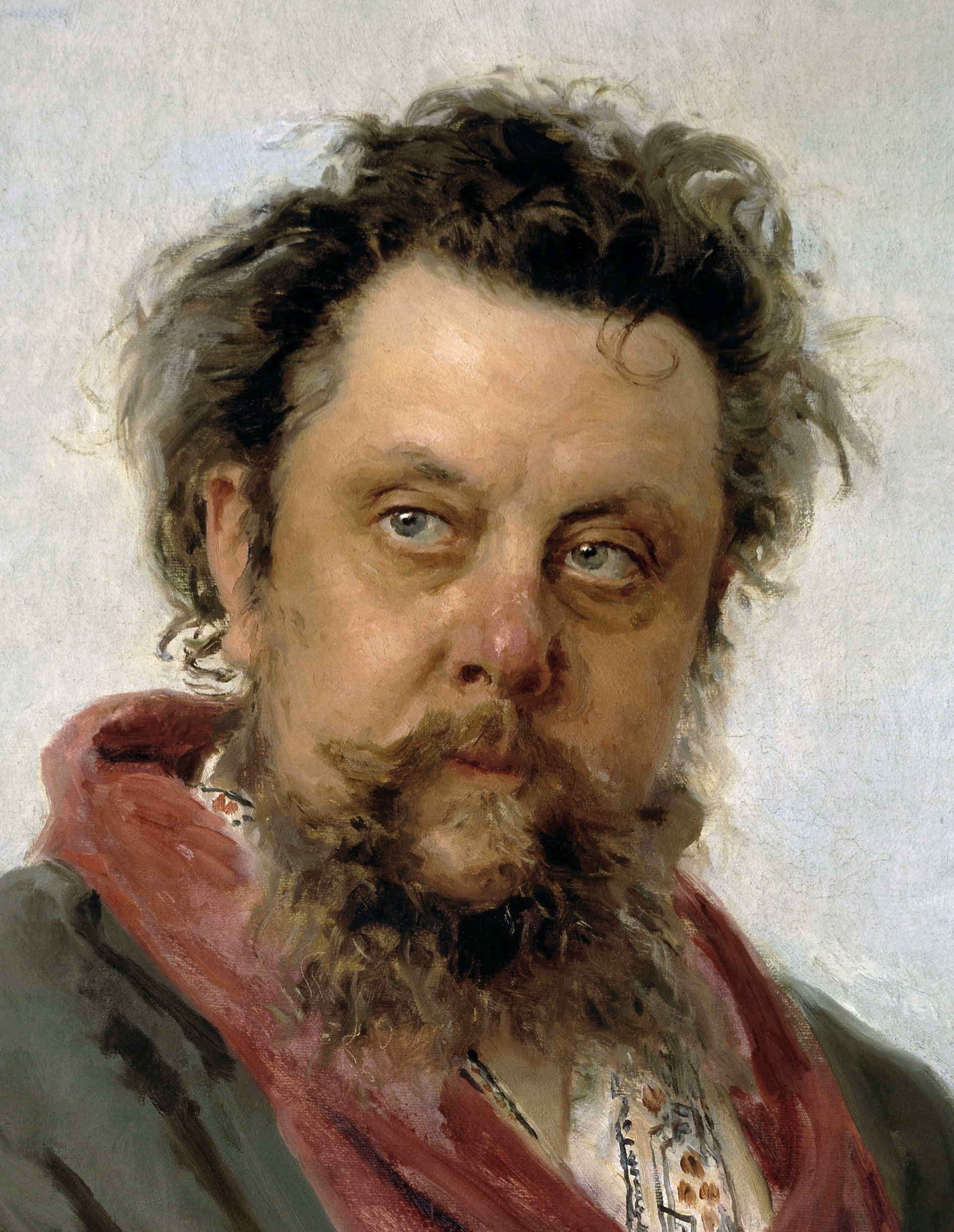
You may recognize the famous Russian composer Modest Mussorgsky, whose best known work is “Pictures at an Exhibition”.  But the pictures that follow are from a totally different exhibition, that of the Association for Science Education Annual Conference 2011, held at the University of Reading from 5th to 8th January.