Fake Banner
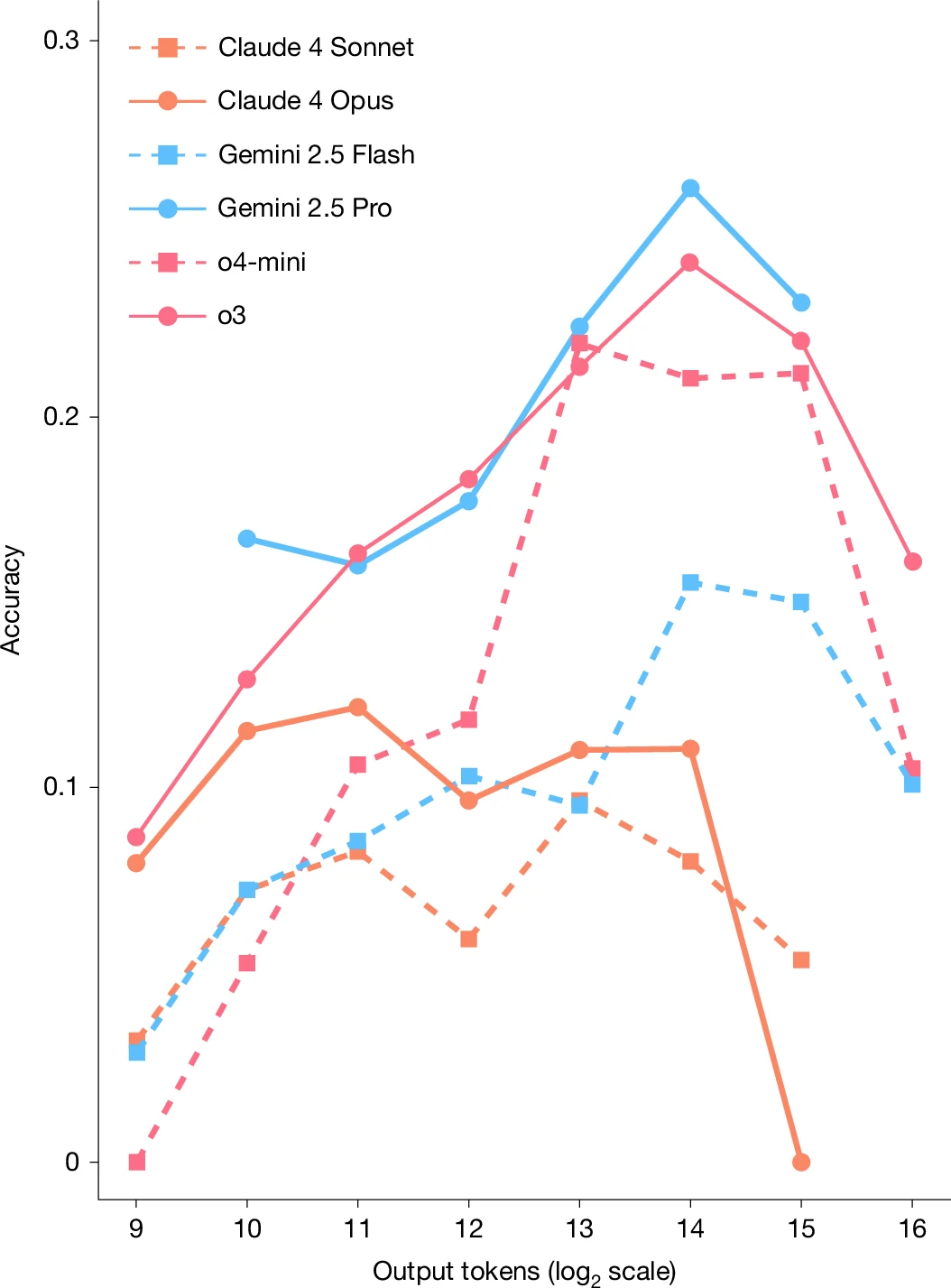
What AI Can't Do: Humanity’s Last Exam

By this time 26 years ago, the "Dot-Com Bubble" was ready to burst. People who wanted to raise...

Does NBA Income Inequality Impact Team Performance?

A new paper says that players where a few superstars get the money leads to less cooperation and...
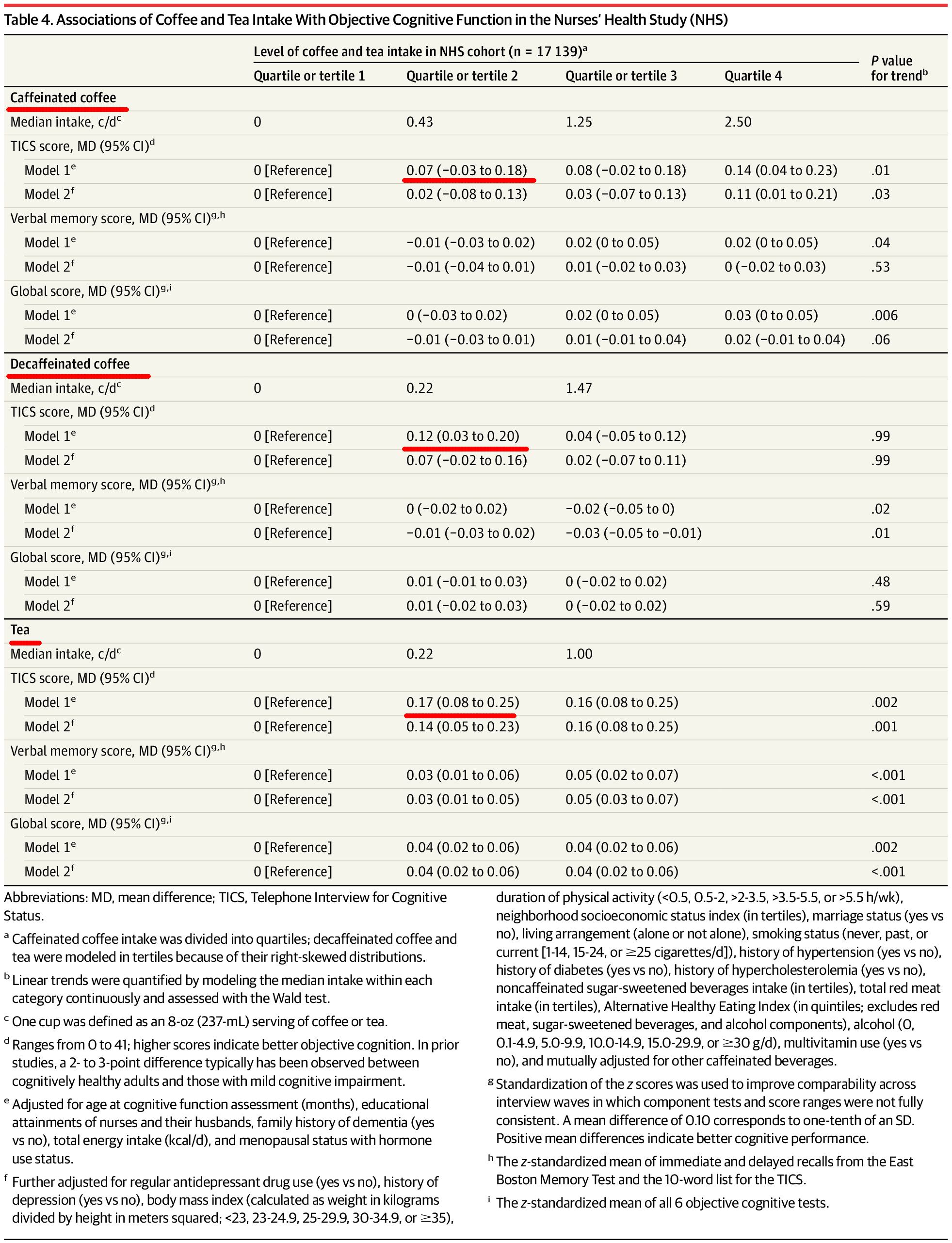
Dogs And Coffee: Finally, Epidemiology You Can Trust

In 2026, it is easy to feel intellectually knocked around by all of the health claims you read...

Chloe Kim And Eileen Gu In Media As Anti-Asian Narrative

Olympians Chloe Kim and Eileen Gu are both Americans but have Asian descent. Yet Kim competed for...

User picture.
picture for Tommaso Dorigopicture for picture for Fred Phillipspicture for Hontas Farmerpicture for Atreyee Bhattacharyapicture for Patrick Lockerby
Hank CampbellRSS Feed of this column.

I founded Science 2.0® in 2006 and since then it has become the world's largest independent science communications site, with over 300,000,000 direct readers and reach approaching one billion. Read More »

Blogroll
If you're an agenda-driven, lawyer-funded epidemiologist and really want to move the needle in media on scaring people, be so bad at math - literally the only thing an epidemiologist does - that you are off by an order of magnitude.

Because if 60 x 7000 equals 42,000, you're either in third grade or you are an anti-science mullah like everyone at Toxic-Free Future, who know a journal they pay to publish in isn't doing any peer review, and know that media allies like the SEO tinkerers who rewrite press releases for LA Times and Salon will be excited about the chance to pad their pageview quota.
Over 50,000,000 Americans get subsidized or free health under the Affordable Care Act but that doesn't mean usage of preventive care increased across the board. Instead, a new analysis found that the inflationary spike which led to much higher costs for housing, food, and utilities are barriers.

Data from 186 community-based health organizations in 13 states found that despite higher rates of primary care visits, patients experiencing social risks like concerns about food or rent were less likely to complete screenings when recommended by doctors.
Friends of the Earth and other litigation groups opposed to science are cheering the closure of AquaBounty's AquAdvantage salmon - the poster-child (decades of regulatory roadblocks) for how the US regulatory system is manipulated by lawyers to hold back technology and medicine - but progress marches on despite the public relations campaign by Greenpeace, NRDC, and others who stand against it.

Their persistent efforts to get pesticides either banned or regulated so tightly they act as bans have been wildly successful during the Biden years, but with Chevron Deference overturned at the Supreme Court political appointees can no longer get science banned by using agencies to create regulations that act like laws.
Two Presidents ago, political appointees engaged in behavior that didn't make much sense(1) and had no benefit for public health. For example, they declared there was an epidemic of something they invented called "pre-diabetes" and insisted that smoking cessation tools that were twice as effective as gums and patches but were not controlled by Big Pharma, plus cigars and pipes that have never killed anyone, were an epidemic in kids.

"I feel your pain" is a common empathy cliché but we know the opposite is true in some, and it changes how they interact with the world. 

After Dutch film director Theo van Gogh put out "Submission: Part 1" , which criticized the treatment of women in Islam, he was murdered by Mohammed Bouyeri, who ranted about a "Jewish cabal" and later directed to van Gogh's mother, "I don't feel your pain, because I believe you're an infidel."

Racism and intolerance take away empathy for others,(1) but so does alcohol.


Vaping in kids had its day. While useful before and since for smoking cessation and harm reduction in cigarette smokers, vaping only became a fad in teens when, as predicted, social authoritarians in the Obama administration declared it an epidemic - if on a survey a young person claimed to have tried one in the previous year and began rolling out commercials of children filmed in black and white looking like zombies.(1) 

It was Reefer Madness for the 2010s and did the same thing Reefer Madness did; it caused teens to think it was cool to outrage their elders.