Fake Banner
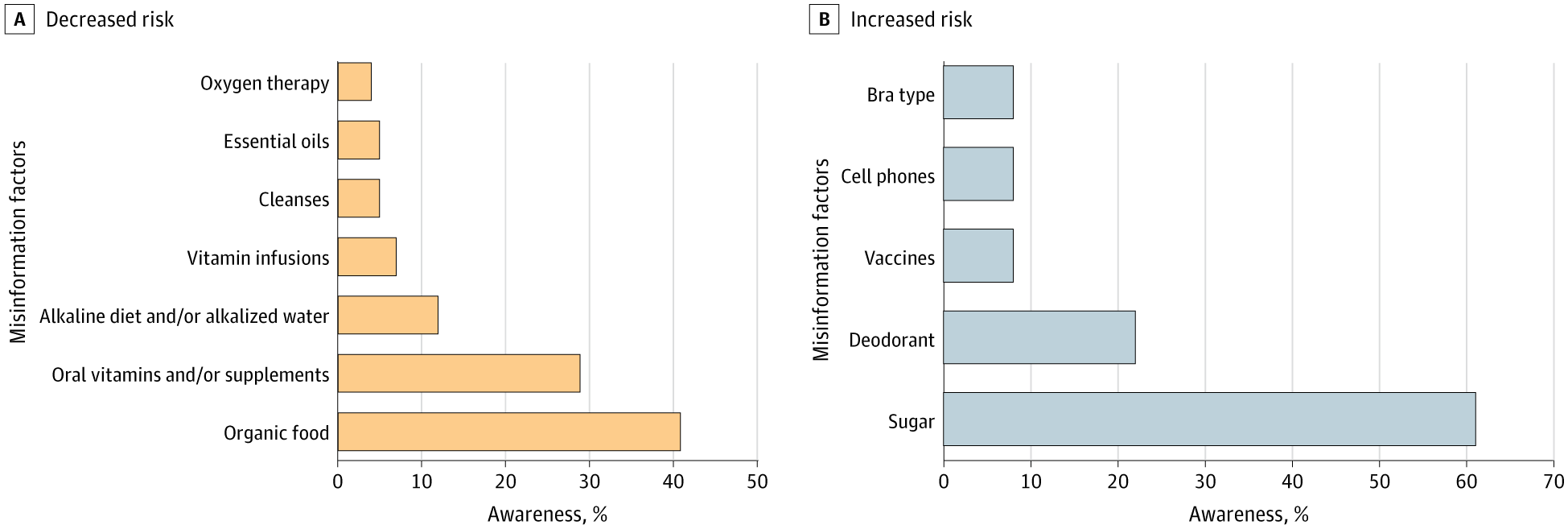
Misinformation Common Among Women With Breast Cancer

Vaccines are getting American media attention now that Republicans are engaging in misinformation...
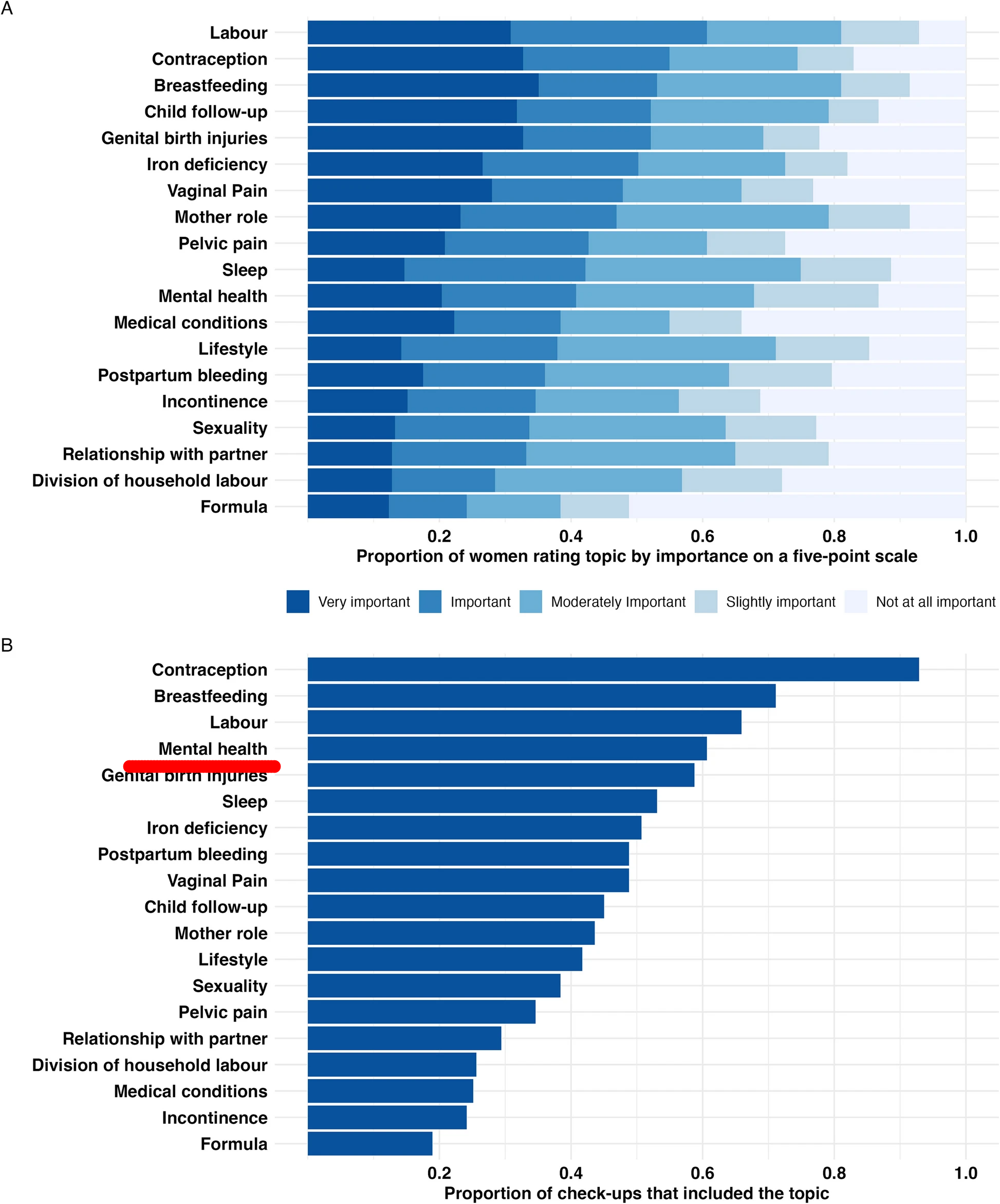
Even With Universal Health Care, Mothers Don't Go To Postnatal Check-Ups

For decades, health care costs have been a political topic in America. Advocates argue it is the...
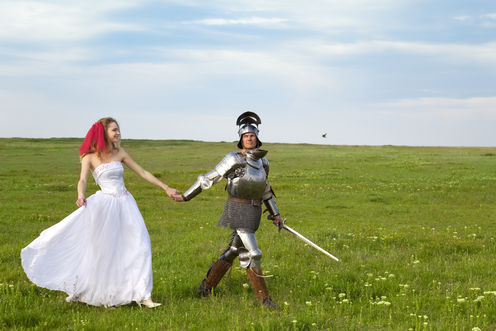
Happy Twelfth Night - Or Divorce Day, Depending On How Your 2026 Is Going

Today is, in Christian observance, Twelfth Night, the end of The 12 Days of Christmas in that song...
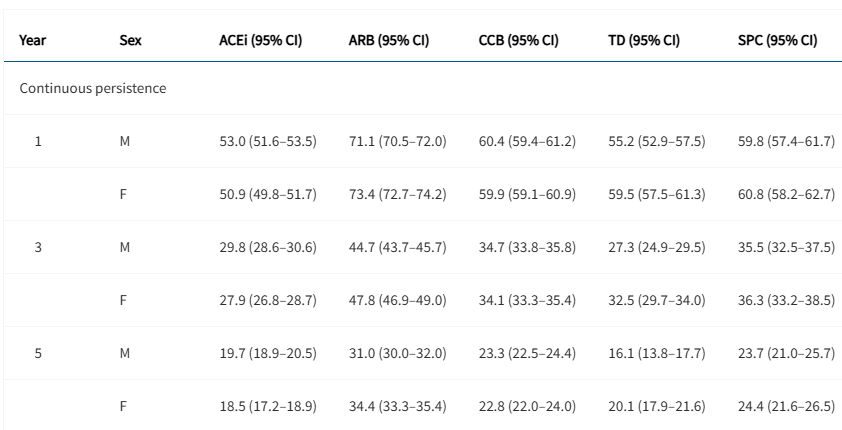
Blood Pressure Medication Adherence May Not Be Cost, It May Be Annoyance At Defensive Medicine

High blood pressure is an important risk factor for developing cardiovascular disease and premature...

User picture.
picture for Fred Phillipspicture for Tommaso Dorigopicture for Hontas Farmerpicture for picture for Patrick Lockerbypicture for Ilias Tyrovolas
Hank CampbellRSS Feed of this column.

I founded Science 2.0® in 2006 and since then it has become the world's largest independent science communications site, with over 300,000,000 direct readers and reach approaching one billion. Read More »

Blogroll
A few weeks back I flew to Los Angeles to have some meetings about technology and media outside the Science 2.0 world - well, sort of.  A surprising number of people outside science know of Science 2.0 and read the site and are fans.  
This weekend is the first episode in a three-part "Brain Games" series on the National Geographic channel.  Since National Geographic does not have a show on the 'science' of ghost hunting, and since statistics show 97% of Internet readers never finish an article, if you are not a regular Science 2.0 reader I am okay endorsing this and telling you in the first paragraph you will enjoy it, so you can set your DVR and move on to reading about the trial of Michael Jackson's doctor.   
I'll lay out something a lot of people won't like to hear; science is about understanding the world according to natural laws and that means sometimes breaking the laws of nature.  How far that goes is a policy matter and it's for civilian leadership to decide.

Researchers won't like being compared to the military but it's a lot like that; there is a job to do, a mission to accomplish, and the scope and limitations of that mission are determined by the public through their politicians but once that framework is established, it is up to the soldiers on the ground to decide how to get there.
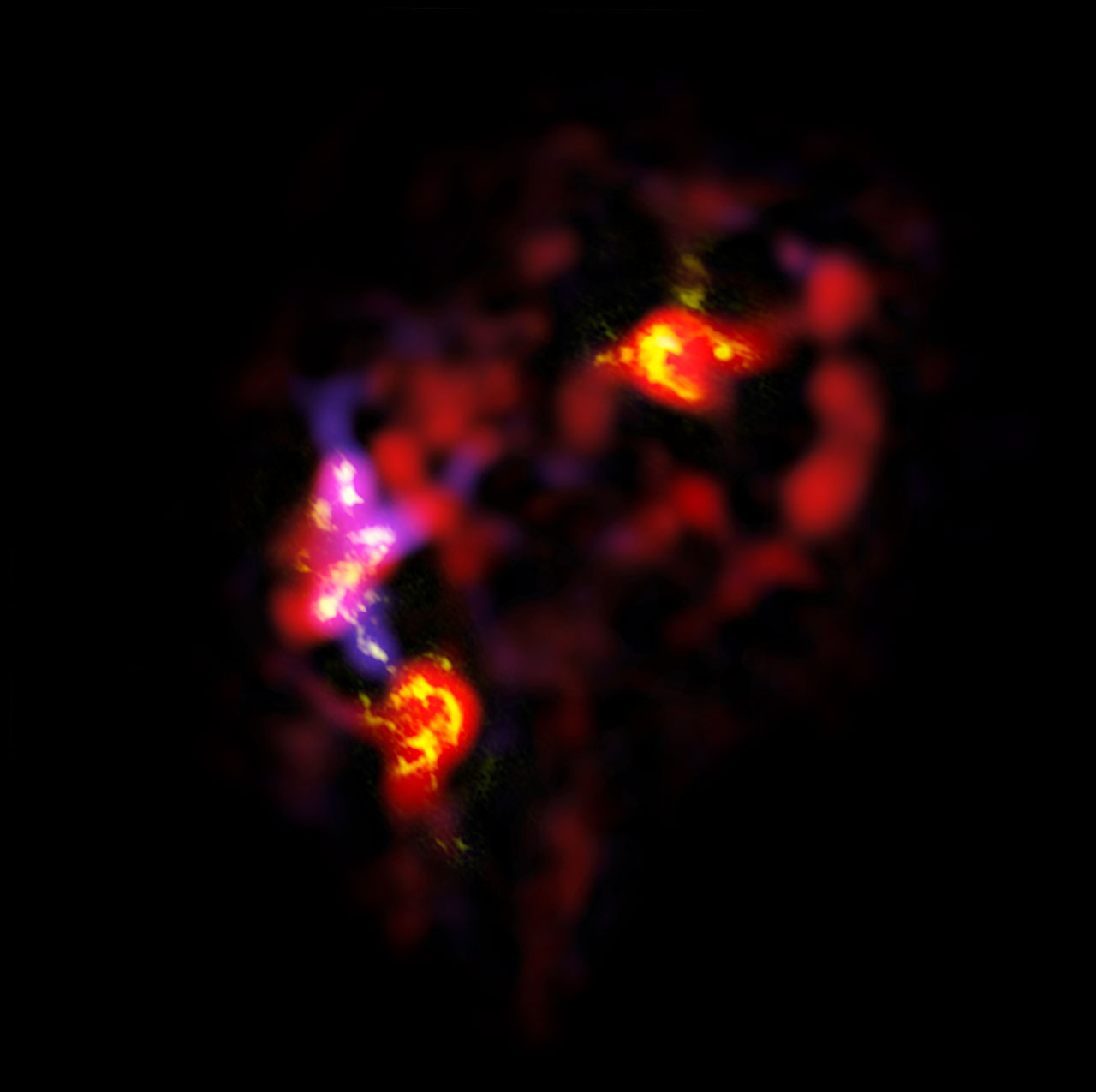
The world's most complex ground-based astronomy observatory, the Atacama Large Millimeter/submillimeter Array (ALMA) on on the Chajnantor plateau in northern Chile, has officially opened for astronomers.

A lack of light pollution and anti-science hippies filing lawsuits has made Chile a new favorite spot for space science and the first image we got after ALMA opened its eyes is darn spectacular.  What we can't see with visible-light or infrared telescopes, ALMA can see just fine.  And the image below is with only 12 of its final 66 radio antennas.  It's fitting that the first image was of the Antenna Galaxies.
Is your cell phone a known carcinogen? Do cell phones give you cancer?  Well, the precautionary principle contends unless you can prove cell phones can't give you cancer, then they are a concern.  Fortunately, the precautionary principle isn't overused by everyone (though when it is, the politically like-minded dismiss it as policy disagreement and not being anti-science) but any time you have an anti-science hotbed, it will get trotted out.
Who says mathematics papers can't be practical?  Noah T. Jafferis, Howard A. Stone, and James C. Sturm of Princeton took a theoretical shot at a flying hoverboard and made it work - except it is a 4-inch conductive plastic sheet that “flies” using transverse traveling waves so don't get dreams of Marty McFly in "Back To The Future II" about it just yet, despite my title. A hoverboard using this current technology will need to be 50 feet wide to carry you.