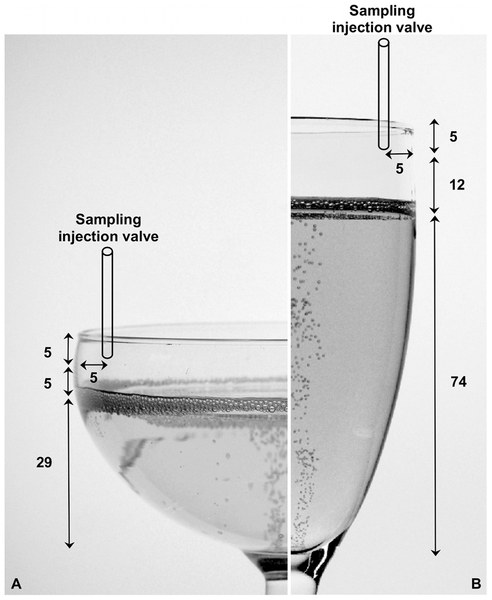





In time for Valentine's Day, researchers have determined which champagne glass size will give drinkers the optimal experience. 

Lately, my wife and I have been staring slack-jawed at elementary school options, little ropes of drool hanging zombie-like from the corners of our mouths  – and so we’ve decided to cede our choice to the numbers.

But when you peel back the data, things like high test scores mean next to nothing about school quality – isn’t it likely that socioeconomics and not the school itself created these high test scores? My wife and I want education causation and not just correlation – a school that creates more education than should be predicted by our (reasonable) genetics and (low) income.

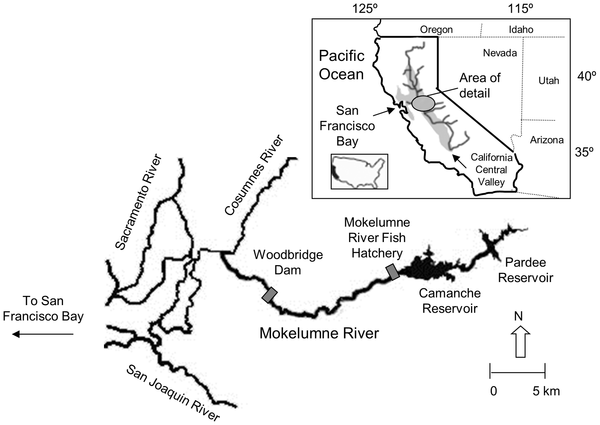
While anti-science politicians in Washington, D.C. block science solutions to harvesting more fish, a crucial piece of information about salmon isn't being considered; the numbers without a science solution only look good because of the massive influx of hatchery-raised fish that return to spawn in the wild. Only about ten percent of the fall-run Chinook salmon spawning in California's Mokelumne River are naturally produced wild salmon.
Recent research examined suicide rates north and south of the border between 1960 and 2008 and revealed the widening gap in suicide rates between Scotland and England and Wales is largely due to the number of young Scottish men taking their lives.

The suicide rate for both men and women was lower in Scotland than the rest of the United Kingdom until around 1968 when it overtook the other two but suicide rates among men continued to rise on both sides of the border until the early 1990s when rates in England and Wales began to fall. The gap between north and south widened markedly.

Efforts at obfuscation and fomenting false concerns by kooky anti-science food activists aren't working.  They spent the better part of the last decade blocking science advancements in food security insisting 'the science isn't settled' and muttering Frankenfood denialist jingoisms, but it seems to be failing. Farmland devoted to improved crops went up over eight percent last year, to 395 million acres. Agriculture strongholds like Brazil, India and Canada join the U.S. in picking science over advocacy.
The gap between atheists and the religious seems at times to be an impossible divide, almost as if believers and non-believers come from different species. What separates the secular from the sacred? An "Ask the Brains" question on the Scientific American site recently inquired as to any differences between the brain of an atheist and the brain of a religious person. Andrew Newberg, the director of research at the Myrna Brind Center of Integrative Medicine at Thomas Jefferson University and Hospital in Philadelphia, responded that, yes, in fact, there are some small but perceptible differences between the brains of believers and non-believers.
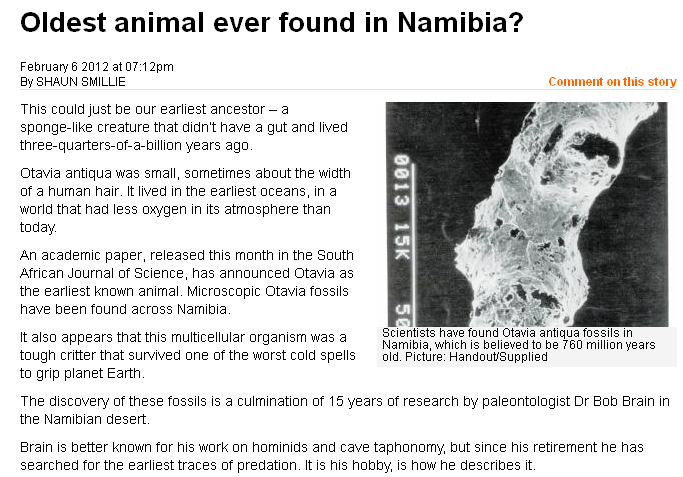
Every 6 months or so these days it feels like we find the earliest animal life. More often than not, said life is something ugly that turns up in a bucket after dissolving rocks in acid.

Well, it's been a while, but here is the latest candidate:


Accessing the absolute latest in scientific communications directly by the independent amateur or citizen scientist has been a financially daunting prospect for decades; practically impossible.

"Sex education is failing to reduce adolescent birthrates in conservative states, according to a new study" begins a somber Livescience piece. Oooh, that's juicy.  We all want to talk about how dumb conservatives are. And if it's a study - and it is, the writer says it right there - they are not injecting any personal bias.


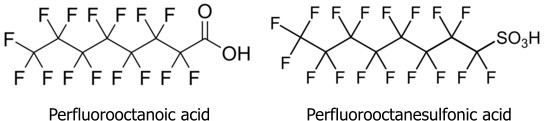
Perfluorinated Polar Bears!

 
No, this is not an exasperated exclamation by Captain Haddock, but might well be a shout of surprise at learning that Canadians have been searching for compounds of that nature in these snowy animals.  But why should Scott Mabury and his group at the University of Toronto be looking for them?
 
The simple answer is that they are terribly persistent in the environment.  Bit odd, one might link, considering that Fluorine is the most reactive of all the elements in the periodic table.  So reactive[1], in fact, that


