In the world of activists and pundits, companies making changes involve all reward and no risk, and if companies don't do it they are just greedy. That thinking is why poor people are subsidizing electric cars and solar panels for the rich, which has made reliance on fossil fuels greater in the past decade.
In the real world, companies hesitate because there are no answers to the questions that smart people have. When it comes to reusable packaging, there are more science and technology questions than answers, and there are four reasons companies are hesitating.
1.The potential to hurt brand reputation if this new environmental scheme doesn’t turn out to be better for the environment.
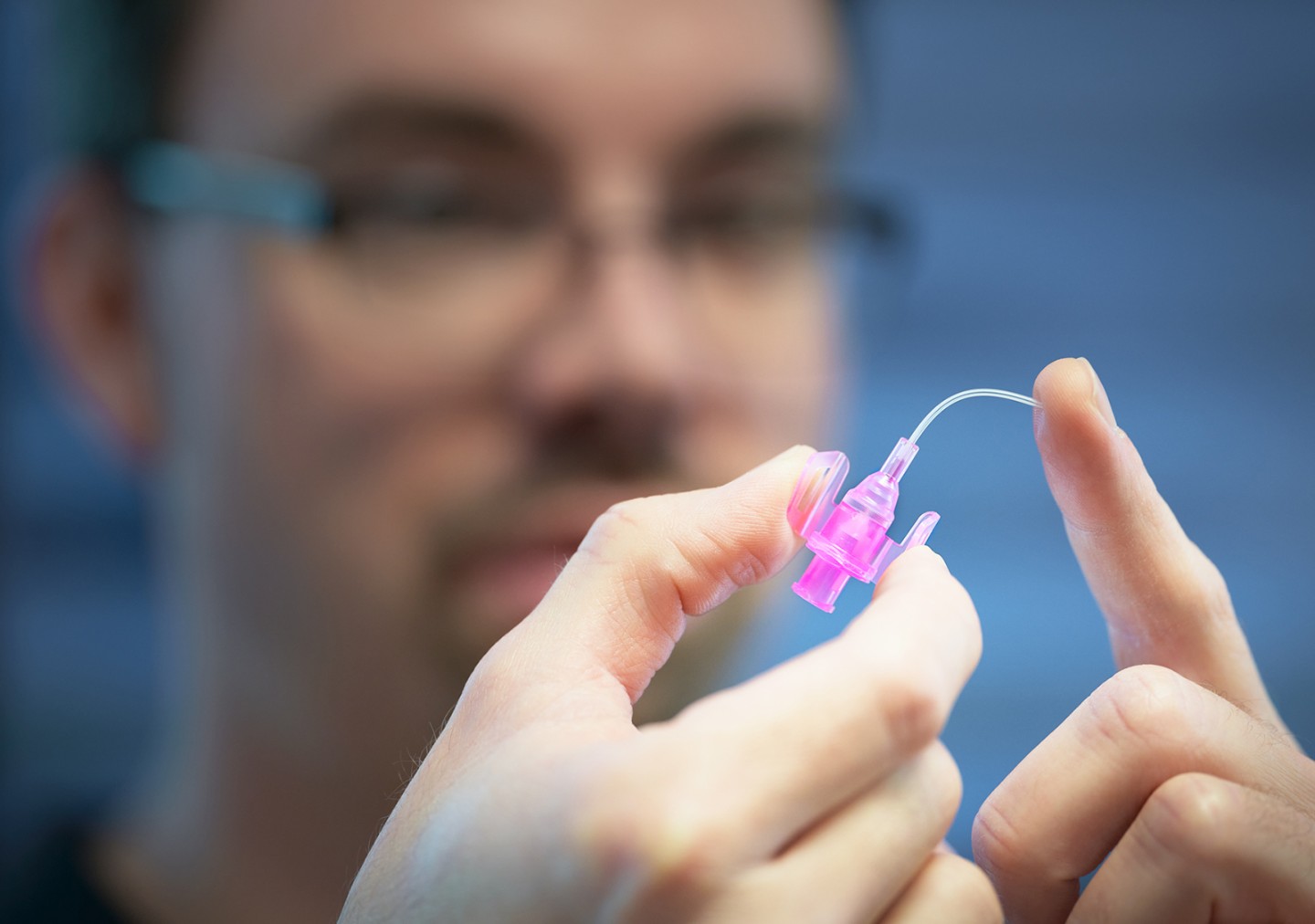
Polyurethane is a plastic material used as foam for medical applications, like tubes for intravenous catheters, mattresses, as packaging material, as construction foam and much more. Researchers from the Fraunhofer Institutes for Applied Polymer Research IAP, for Chemical Technology ICT, for Manufacturing Technology and Advanced Materials IFAM and for Environmental, Safety and Energy Technology UMSICHT are now exploring new ways to produce this type of plastic sustainably and without the use of materials that can be toxic at high levels.
Everyone says they have impostor syndrome about something, so perhaps many people just mask it and appear confident. Do men mask it better than women?
During the first year of the COVID-19 pandemic, 28 states experienced higher gun deaths, including suicides. New York, Minnesota, and Michigan saw numbers go up more than 100 percent,
according to a recent paper. Only Alaska, which often leads the US, had significantly lower rates of gun deaths during that period.
In the next few days I have a busy schedule with a few lectures gravitating around the use of deep learning technologies for fundamental physics research. This is of course no news, but I thought that my blog is the proper place to list a few pointers, in case some of you is interested in following one or two of these events. After all, deep learning is all the rage these days, and even if fundamental physics is not your bread and butter, you may hopefully find useful inspiration in the kind of use cases that field provides for cutting edge applications of artificial intelligence.
Children have a higher tolerance for thrills than most parents believe. In 1989, when Disney returned to form with "The Little Mermaid", Ursula was among the scariest villains ever. She got impaled by the mast of a ship. That didn't bother kids a bit.
It's more often parents that are overthinking this stuff. I am not saying you should hand your 6-year-old a "Saw" DVD but for the second consecutive year of the pandemic let's stop the usual apocalyptic worry about sugary treats plus the concern about COVID-19. They'll be okay on both counts.
Here are 4 reasons why we as a society need to dial it down on Sunday, and maybe every day after that.
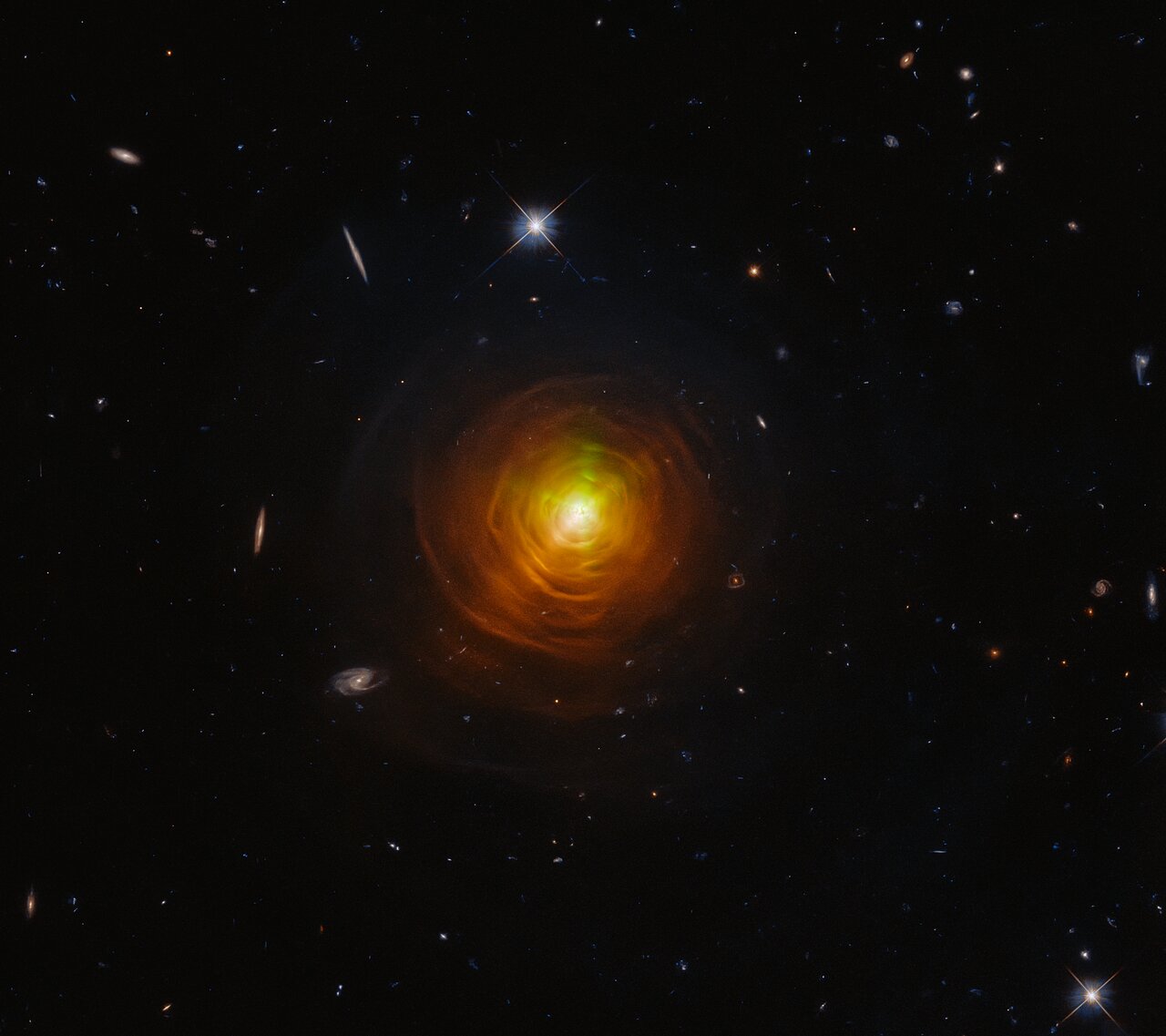
If there is an Eye of Sauron in space, ot at least a Marvel villain like Apocalypse, it might look a lot like CW Leonis, roughly 400 light-years away in the constellation Leo.
A quantum computer is a remarkable device. While, at current, it's still limited in its application, we now know that it can be faster than the fastest computers we currently have access to.
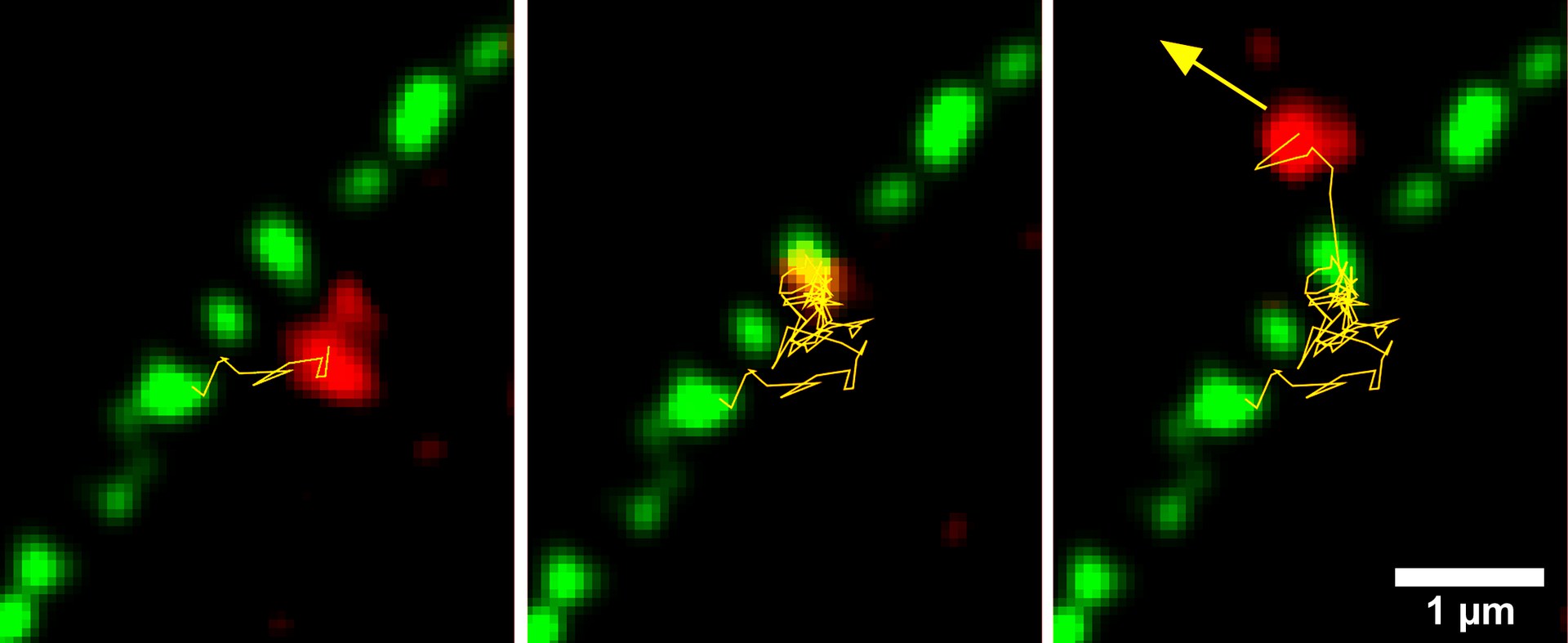
All proteins in a cell are assembled by complicated molecular machines. The cell nucleus is a kind of vault: It is located in the cell and guards the DNA, which contains the building instructions for all the cell's proteins. When the cell needs a protein for a specific task, it orders a transcript of the matching DNA segment in the nucleus. This copy leaves the nucleus and reaches the ribosomes, complex molecular machines. These then work through the instructions step by step to produce the desired protein.
Did french fries taste better when they were cooked in fat? How about Coca-Cola when it was made with cane sugar or Fritos when they were salty?
People will insist they can tell the difference and they probably can, but sales show that different is not worse. Today, adults are nostalgic about the stuff that older people say is no good.
What about the taste of coffee? It is entirely subjective. Dark roast or light, Arabica or Robusta, you like what you like. What if what you like changes?
A new paper seeks to sound the climate change around using coffee growing conditions.