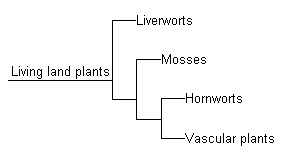
As a teenager, in the early 1960s, I developed an interest in botany, and in particular ferns and the so-called “fern-allies”. So, living in the drier South-East of England, I welcomed trips to places where these plants about, such as Wales, mountainous Scotland, and Cornwall.
But today I am travelling through time, showing how our knowledge of this branch of the Plant Kingdom has expanded over the last 200 years or so.
In science, you need a theory, an approach, and a way to measure the results. In politics, you only need an opinion and a microphone. Therefore, it is interesting that a major Green advocate -- promoting sensible environmental solutions -- took the stand to criticize past Green efforts.
George Monbiot (winner of a UN Global award, among others) recently scribed
Let's Face it, none of our environmental fixes break the planet-wrecking problem. There was immediate outcry and, as usual, the pundits somehow claiming this is proof that Green=Bad are missing the point on this.
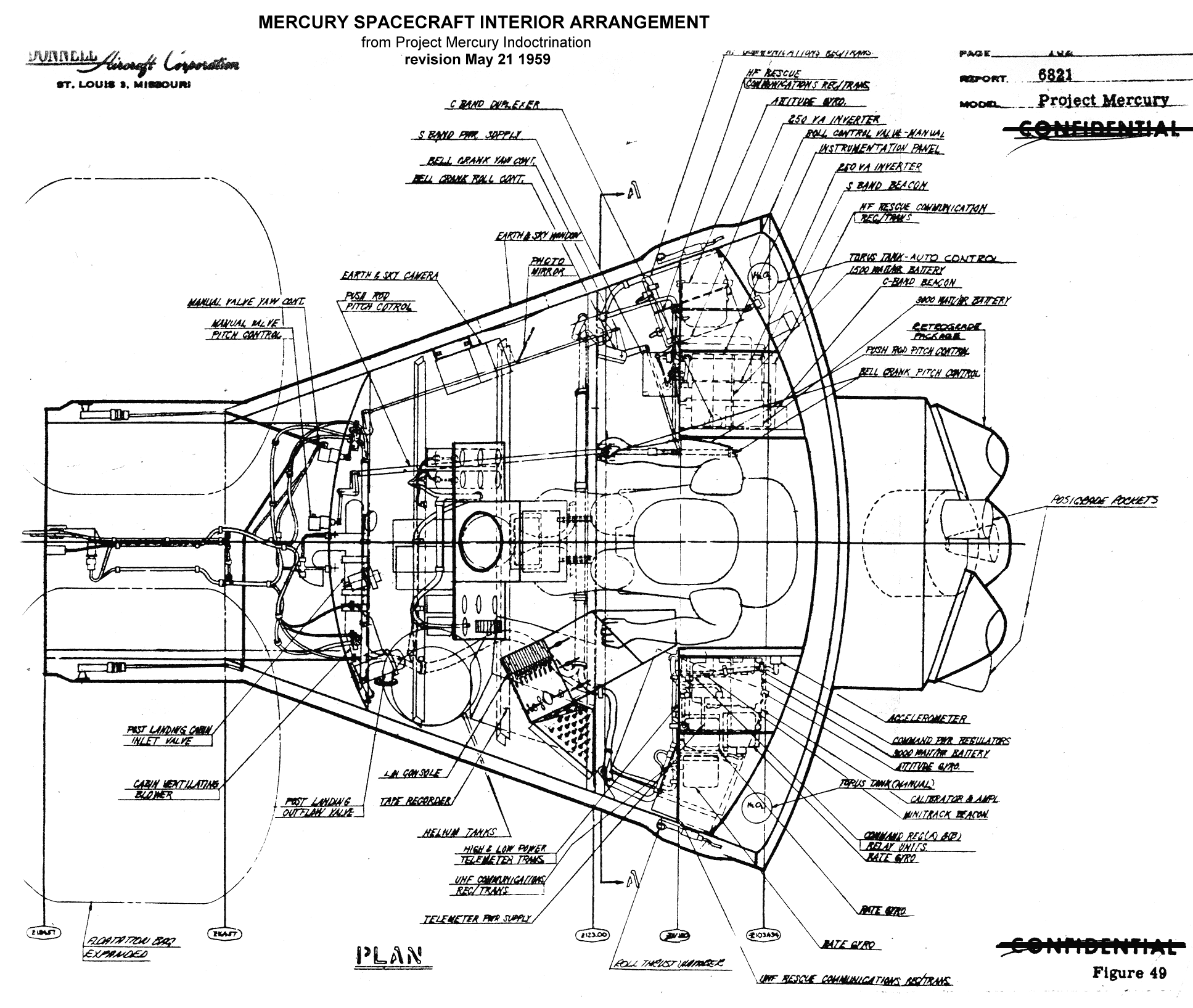
50 years ago today Alan Shepard became the first American into space, launching at just after 9AM from the Space Coast of Florida and finishing just over 15 minutes and 117 miles up later.
The most famous book (and movie) about the early days of NASA is "The Right Stuff" and it is surprisingly faithful in its telling. Alan Shepard did pee in his suit and then say, after three hours of being immobilized in a tiny capsule, "Why don't you just fix your little problem and light this candle?" but he was also a guy who said, "You know, being a test pilot isn't always the healthiest business in the world" so he understood the risks. 96% chance of survival was acceptable risk.
Over 100 million years ago, late Mesozoic forests were chock full of a diverse group of plants of the class Equisetopsida, though only one genus, Equisetum, commonly called scouring rush or horsetail, still exists today.
It is unclear about the evolutionary beginnings of the genus Equisetum - molecular dating places the divergence of the 15 extant species of the genus around 65 million years ago but the fossil record had it earlier than that, around 136 million years ago.
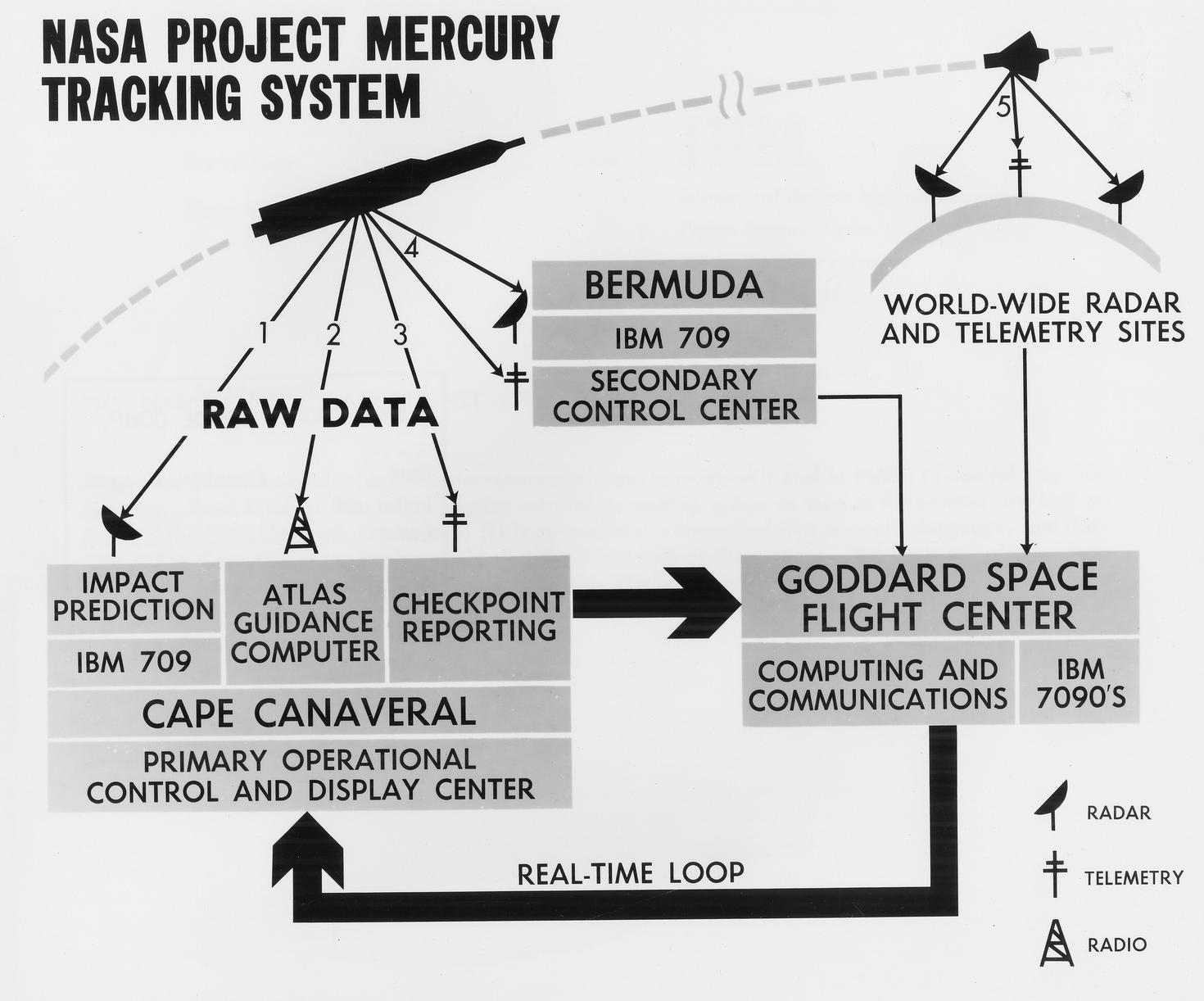
Here, I present for you a snippet from the Western Electric document
Introduction to Project Mercury and Site Handbook on one of the most important aspects of a space program that barely existed; ground control and monitoring. You know, the part where they actually know what the astronaut and his capsule are doing and decide whether or to send him into space and bring him back down, a wholly unnatural act.
a. Direct the entire flight in respect to the mission;
b. Monitor the flight in respect to aeromedical and capsule systems;
c. Keep the astronaut and range stations informed of mission progress;
A community survey in England identified people with
autism or asperger's syndrome and found none of them knew they have it. And autism turned out to be more prevalent in males with lower education and in government housing.Is autism causing people to have lower education and jobs or has the umbrella gotten so large it has become a blanket diagnosis for everyone not successful?
The results from the first ever general population survey of autism in adulthood. They are based on a two phase epidemiological survey in England (7,461 screening interviews; 618 diagnostic) carried out in 2007.
The findings are in the Archives of General Psychiatry.
In my American Literature course this semester, I worked to weave Joseph Campbell’s vision of the purpose of mythology throughout the pieces we read, to get students to consider the role that literature, in its many mediums, plays in providing the bedrock on which we live our lives and derive meaning. In a world in which religion no longer dominates our culture and for many people no longer lives and breathes, providing the answers for all life’s mysteries and meanings, the stories we listen to, watch, or read often become the essential framework on which we hang our own life narratives. Even when we maintain a religious belief structure, it is often not the dominant feature of our lives, and the stories we enjoy are often much more immediate and relevant.
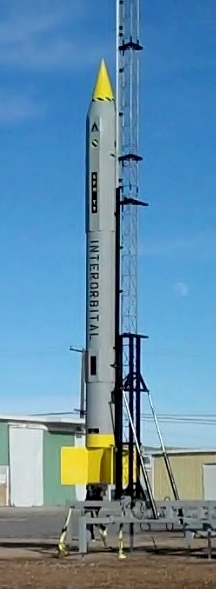
My Project Calliope satellite will be launched on an Interorbital Systems (IOS) rocket-- but IOS hasn't yet launched into orbit. Where are they, how close are we to launch, and what's the risk?
Ad: Support Calliope-- limited edition flight gear available until May 21 at kickstarter!
Mike Rangers has a post called "14 signs that the collapse of our modern world has already begun." If it weren't so scary to think of how easily people can be conned, it would almost be funny that he's so wide-ranging in his all-knowingness. That's the beauty of instant expertise, isn't it? Just google it, or even better, just pronounce it on your blog with complete and utter confidence in your competence, regardless of your knowledge-base. After all, isn't that why those heavy hitters at AoA believe they understand complex science that most experts, in order to be experts, spend a decade or more in intense, competitive study, with even more intense testing to prove competency? If you write it down, it makes it real, and it makes it right.