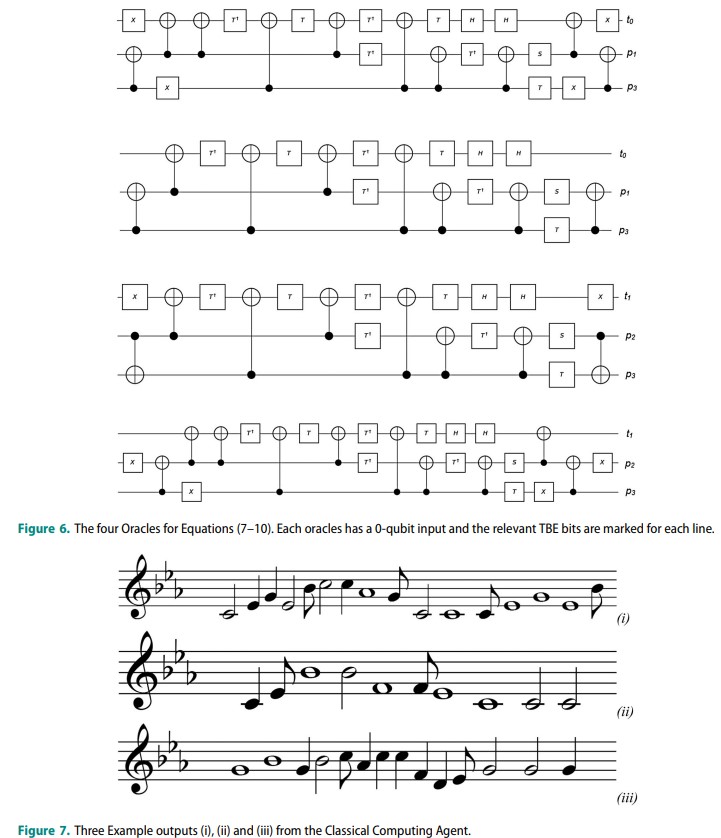
A high-tech jamming session, through which a blend of live human and computer-generated sounds came together to create a unique performance piece, has been created thanks to "spooky action at a distance."
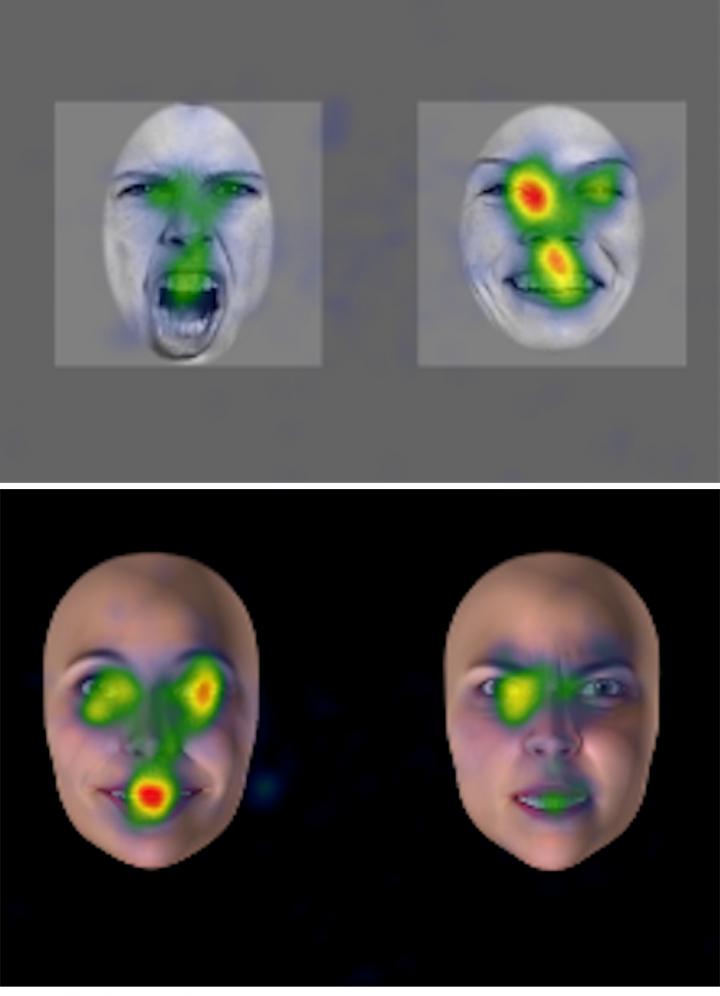
Emotions are an integral part of our lives. They influence our behavior, perceptions, and day-to-day decisions. The spontaneous amodal coding of emotions - independent of perceptual modalities like the physical characteristics of faces or voices - is easy for adults, but how does the same capacity develop in children?
Recent experiments using kids ages 5, 8 and 10 years sought to find out when children began to recognize happiness or anger depending on whether it is expressed by a voice or on a face.
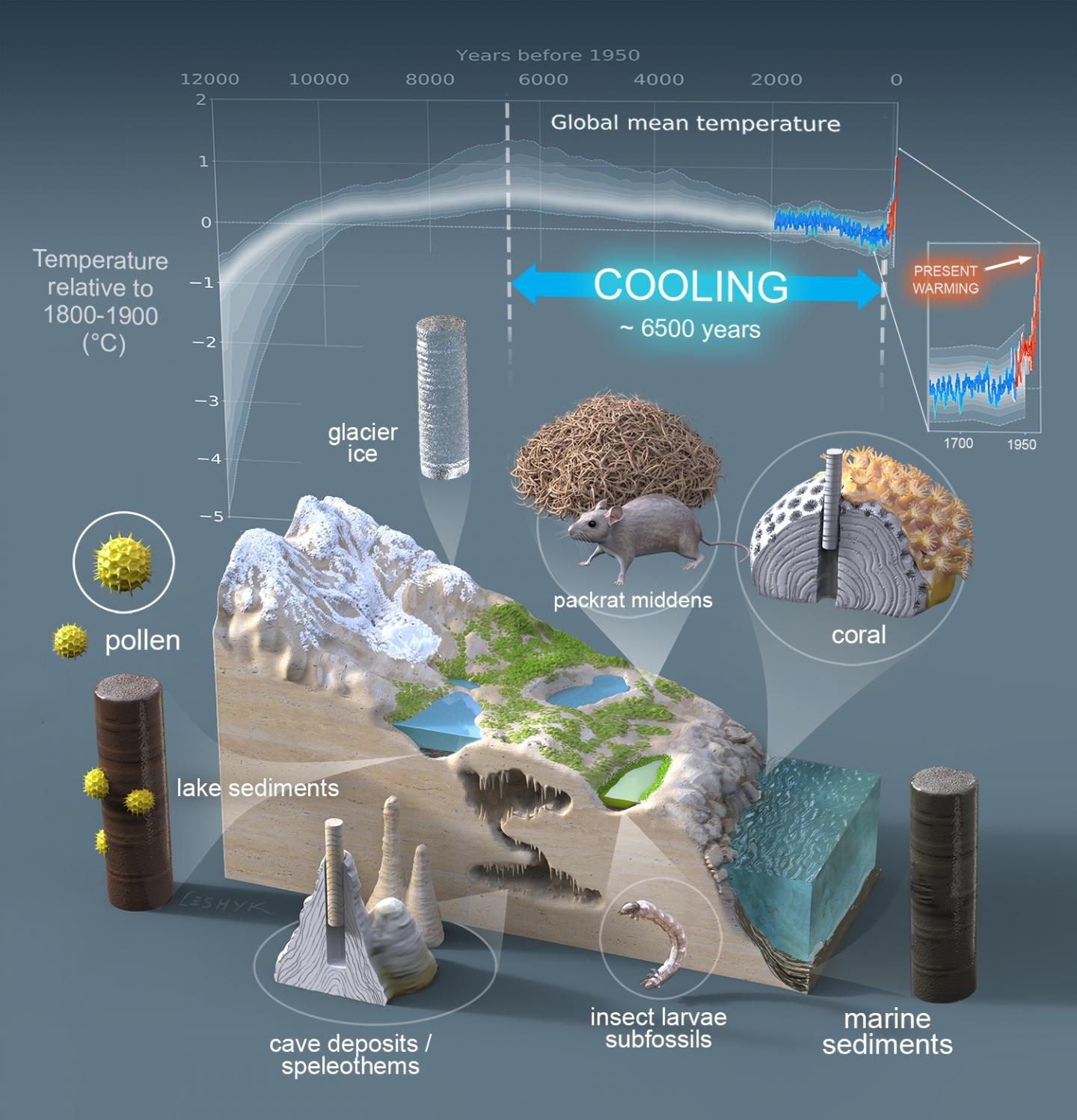
In geological history, 90,000 of every 100,000 years has been ice ages, and it has been 12,000 years since the last one. In a 'glass half full' optimistic take on emissions, the Industrial Age put a halt to a 6,500 year cooling trend and the ice age for which we are overdue, but just like salt, sugar, or Avengers movies, there can be too much of a good thing and now there are worries that climate is going out of control the other way.
As a semi-retired epidemiologist, in a higher risk age group
and with attendant co-morbidities, I have followed the Covid-19 pandemic with scientific
curiosity mixed with a tinge of personal anxiety. Much of the data being reported is of abysmal
quality, and it’s a major professional disappointment to me that, after more
than four months, the situation hasn’t improved much.
The recently released 2020 ParticipACTION Report Card revealed that Canadian children scored a D+ for “daily physical activity,” an F for “active play” and a D- for “active transportation.” Only 39 per cent of Canadian children and youth achieve recommended physical activity levels.
A decline in children’s physical activity isn’t a new trend. However, with COVID-19, there has been further decline in physical activity resulting from public health protocols aimed at curbing the spread of the virus.
Can you prevent cancer? Not really. The number one risk factor for cancer is old age, if you live long enough you are likely to get some form or another. Despite the beliefs of the Longevity crowd, we are biologically self-terminating.
Are insects facing survival challenges? Of course, the evidence in support of reasonable concerns is overwhelming. The important questions are: how serious is the decline; is it accelerating; what are its causes; and how can we address them?
Those are not the questions the media have been asking over the past three years, as a spate of Armageddon-like studies has been hyped by breathless reporting in such mainstream outlets as CNN, the Guardian and the New York Times. They’ve uniformly maintained the insect Armageddon was already upon us, and the culprit identified: modern agriculture steeped in the use of agro-chemicals.
On August 30 2019, a comet from outside our solar system was observed by amateur astronomer Gennady Borisov at the MARGO observatory in Crimea. This was only the second time an interstellar comet had ever been recorded. Comet 19 or C/2019 Q4 , as it is now known, made its closest approach to the sun on December 8 2019, roughly coinciding with the first recorded human cases of COVID-19.
The anti-vaccine and anti-GMO movements are products of the digital age. While there were always vaccine deniers, they were a tiny religious fringe until the 2000s, when it took England and the coasts of the U.S. by storm. Similarly, odd beliefs about food always existed but they were relegated to obscure stores.
Social media changed all that. Facebook and Twitter became hotbeds of misinformation because anti-science activists mastered creating 'buzz' by getting cabals of individuals, sympathetic journalists, and groups who capitalized on it to swarm around bombastic claims. Now those tweet storms become 'and here's how Twitter reacted' articles by lazy media outlets.
The U.S. Centers for Disease Control and Prevention (CDC) were shown to be a bureaucratic mess when the coronavirus pandemic hit - refusing to send coronavirus tests unless hospitals first proved proved patients had coronavirus, then sending faulty reagents - and academic epidemiologists often seemed to be just making things up, but one area came through nicely; academic medicine.
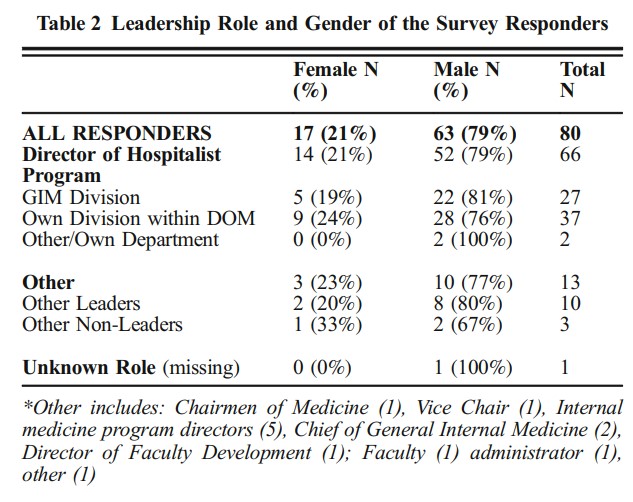
Medicine, along with the life sciences and social sciences, are areas where women dominate in graduates but because leadership positions are often held for lengthy periods, when it comes to the top levels the numbers aren't the same. Men are in control.