Before Chomsky, there was Lippmann: the First World War and ‘manufactured consent.’
While the ‘manufacture of consent’ is an idea now mostly associated with Noam Chomsky, the phrase was actually coined by the US journalist and writer Walter Lippman in his influential book "Public Opinion" (1922) – a fact that Chomsky and Edward Herman, his co-author on "Manufacturing Consent" (1988), readily acknowledge.
Lippman contended that, because the world is too complex for any individual to comprehend, a strong society needs people and institutions specialized in collecting data and creating the most accurate interpretations of reality possible.
Though homosexual behavior has been rewarded in over 1,000 organisms, it can be an evolutionary puzzle; since reproduction can't happen, there is a fitness cost, so why do it?
During mating season in the summer, little brown bat (
Myotis lucifugus) females huddle their small, furry bodies together to save thermal energy. These "maternity colonies" are important but with population losses across North America, summer access to an attic or other permanent sheltered structure, as opposed to just trees or rock crevices, could be a huge benefit.
In a new
Ecosphere paper, researchers investigate and describe the conservation importance of buildings relative to natural, alternative roosts for little brown bats in Yellowstone National Park.
In a story that feels like it could have come from Babylon Bee or The Onion, psychologists used surveys of teens to declare with somber seriousness
that teens are more bored than ever - and adolescent girls are most bored. And that could lead to drug abuse.
They looked at responses from the Monitoring the Future in-school survey to statements like "I am often bored." Youth self-chose how bored they were on a five-point scale starting in 2008.
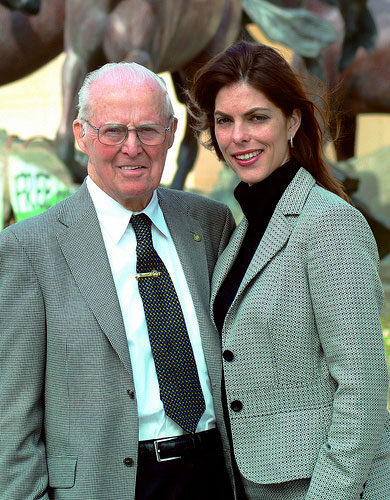
Dr. Norm Borlaug, the "father of the Green Revolution", is credited with saving a billion lives using agricultural science, and for the last 50 years he and his successors debunked the Malthusian claims of cynics like Paul Ehrlich, John Holdren, and their modern-day acolytes like Bill McKibben, Michael Pollan, and Naomi Oreskes.
When Holdren and Ehrlich (and the other Ehrlich) were trying to drum up support for mandatory birth control and a world government to enforce it(1), Borlaug and the science community quietly made farming more efficient than ever. Today, even the poorest people in most of the world can afford to be fat, something never possible before, and that is thanks to the legacy of Dr. Borlaug.
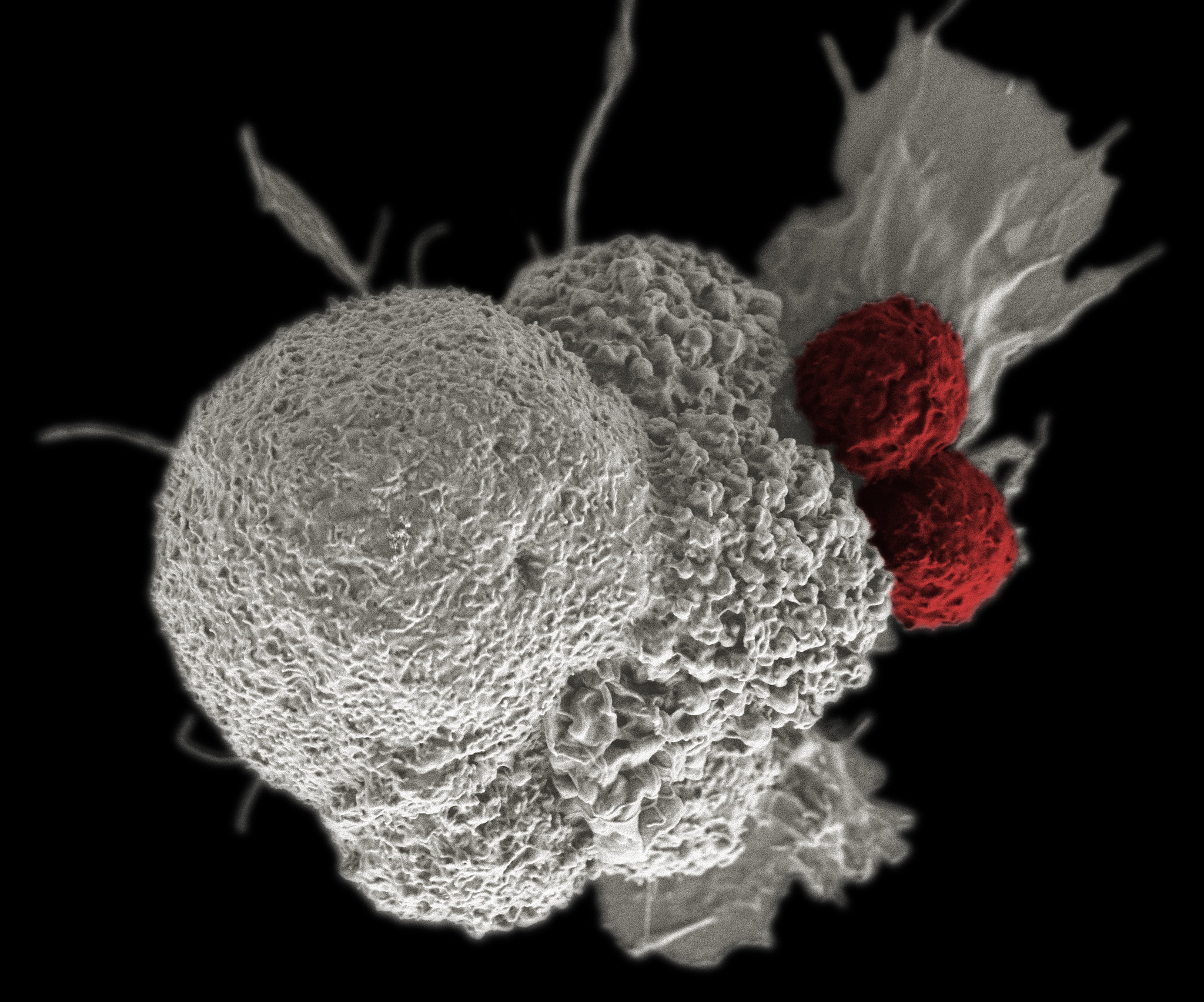
For the first time in the United States, a gene editing tool has been used to treat advanced cancer in three patients and showed promising early results in a pilot phase 1 clinical trial. So far the treatment appears safe, and more results are expected soon.
More than 200 million people around the world suffered from malaria in 2017. Over 400,000 died. The vast majority – around 90% – were in Africa, where many are all too familiar with the devastating impact of the disease. Young children and pregnant women are the most vulnerable.
Protective measures can help significantly to reduce the burden. This includes spraying with insecticides and using mosquito nets. But 100% coverage using these methods is impossible. Until the disease is eradicated, availability of effective treatments is critical.
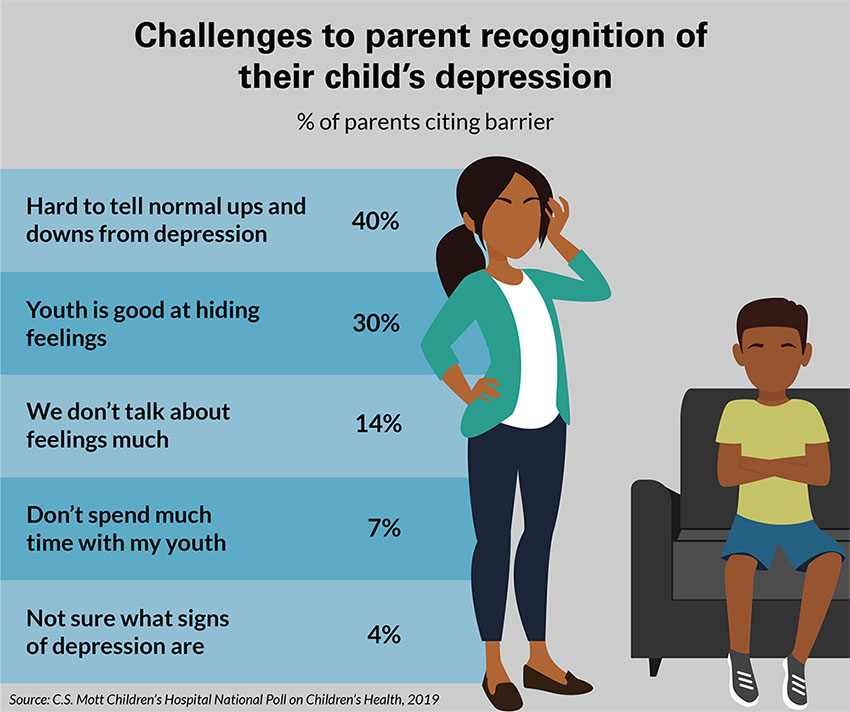
For two-thirds of parents it can be hard to know the line between recognizing youth depression and making something special of teen moods, and perhaps enabling more problems.
But there is no question America is the most over-medicated in the world, and one the most anti-depressants, and therefore it is little surprising that 25 percent of parents say their child knows a teen with clinical depression while 1 in 10 believe a peer of their child has committed suicide. Obviously that can’t be true, even if the age is pushed out to 24 there are only 6,000 suicides per year, while there are 60,000,000 kids in school from ages 6-22.
Forensic science does not prove guilt or innocence. It never has and it never will.
The next time you hear about DNA evidence, for example, proving the guilt or innocence of a suspect in a violent crime, rest assured that you are being misinformed. In courts of law, attorneys do the proving, not science.
Science, after all, has no real value until a human being can use it to solve a problem or answer a question of importance. People prove things; science provides help. Yes, science may exist to provide some clarity in support of or in contradiction to an argument, but science itself does not make arguments.
An exploratory study in cell cultures and mice finds that in their rodents high-fat diets throughout pregnancy (rich in polyunsaturated omega-6 fatty acids)
impacted fetal brain development.
Don’t be alarmed, mice are not little people so a mouse study can only ever disqualify an effect, it can never show one in humans. Mice studies (and epidemiology) are termed "exploratory" because they can only suggest a link and will need relevant study before they can relate to humans, regardless what
Huffington Post or
Guardian may forget to note in their articles.