

In the 1960s and '70s, population apocalypse stories were popular. Movies like "Soylent Green" and books like "The Population Bomb" and "Ecoscience" provided dystopian views of the future, where science would fail and government would be forced to get drastic, with forced sterilization and abortion needed until the number of people got down to a limit farming could sustain.

That never happened. Progress did. Companies created new agricultural tools, herbicides were created that avoided resistance. Then we got GMOs. First in insulin, then they saved the papaya in Hawaii, and then we got common products like corn, soybean, and cotton. Food got more plentiful and more affordable.
A saying in psychology goes that more truth comes out when people are drunk. This is even when it comes to politics, where studies showed that young people who espouse more liberal beliefs get more conservative when they are inebriated. They stop saying what they think they should be saying based on what people want to hear.

Along that line, a wealthy person who was raised poor is more likely to see through excuses of poor people than someone born into money, according to a new paper. They are less 'sympathetic' than people who have never had to struggle. 
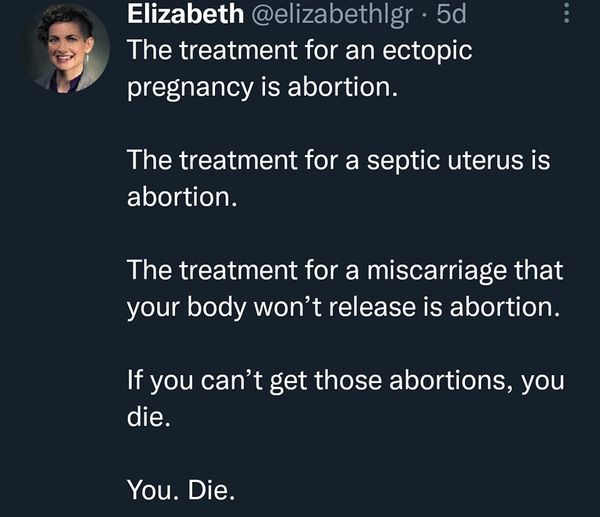
The 1973 Roe v. Wade decision has been overturned, which means that the Supreme Court ruled that the right to an abortion is not federally protected by the US Constitution (in the 1973 case, that it couldn't be illegal under the Due Process Clause of the 14th Amendment), and is instead up to states as per the enumerated powers part of the Constitution. As most of you know, when the Constitution was written, states were concerned about replacing one autocratic centralized government with another, so the Constitution, and then the immediate Bill of Rights, were written to specify that if it was not in the Constitution, it was left to states.

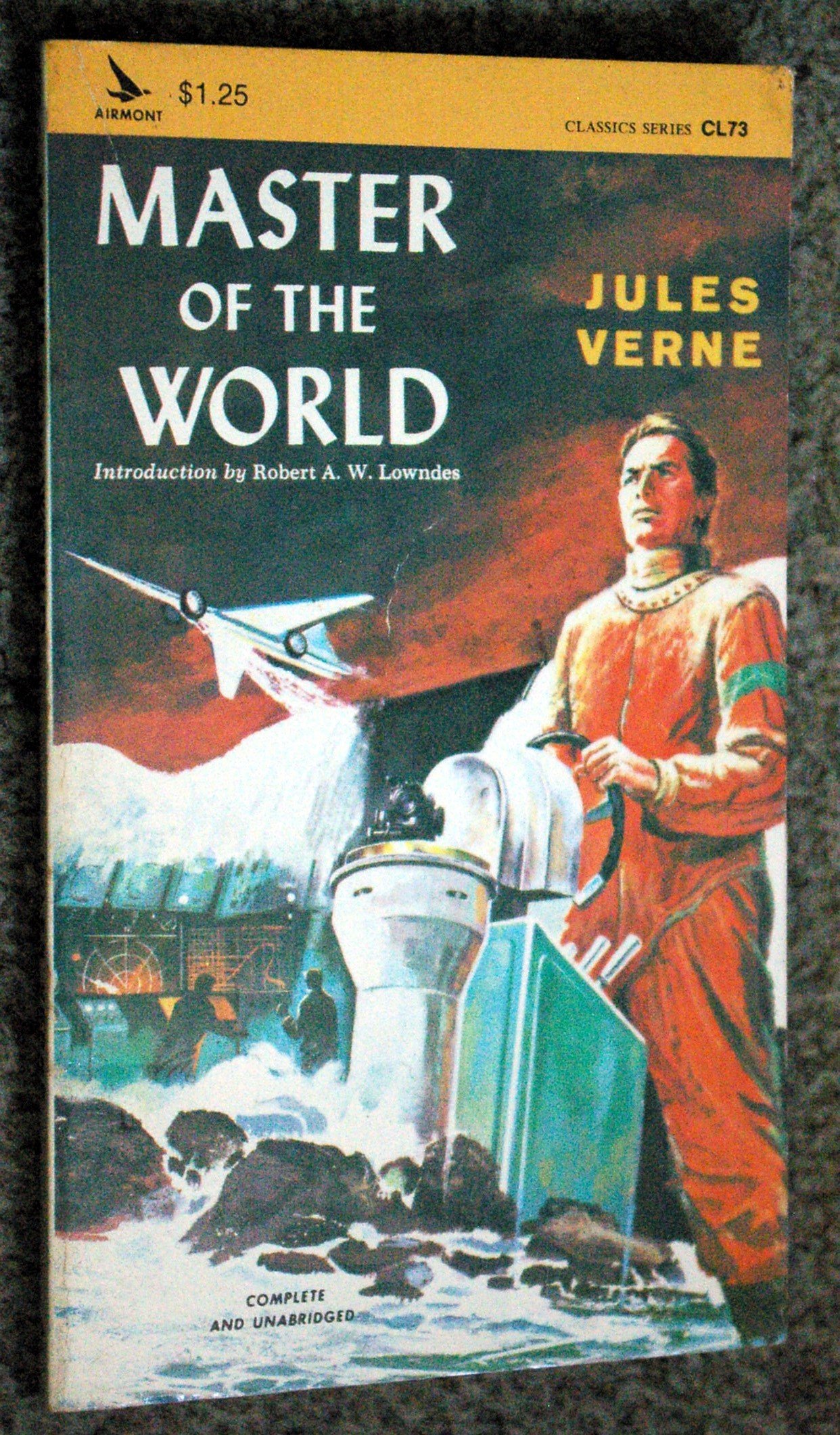
Vernians are the true believers who think Jules Verne's books are scientific manuals rather than fantastic stories. To my knowledge, there are few, if any, true Vernians around. Still, there are neo-Vernians today who see Verne's books are scientific manuals illustrating the theories of his day. Furthermore, a Vernian process shows how to evaluate science and project itinto the engineering future. Maybe the most forgotten and valuable part of Verne's science fiction was its use in education.

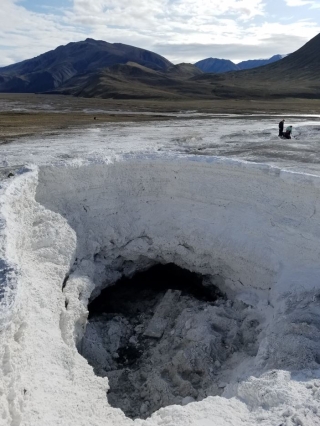
Some areas on Mars are extremely salty, very cold, and have only a hint of oxygen - just like Earth. Yet even in the permafrost of Lost Hammer Spring in the Nunavut territory of Canada’s High Arctic, researchers have found microbes that have never been identified before

Using genomic and single cell microbiology methods, they examined their metabolisms and found that the microbial communities found living in Canada’s High Arctic can survive by eating and breathing simple inorganic compounds of a kind that have been detected on Mars - methane, sulfide, sulfate, carbon monoxide, and carbon dioxide. 

Happy the elephant’s story is a sad one. She is currently a resident of the Bronx Zoo in the US, where the Nonhuman Rights Project (a civil rights organization) claims she is subject to unlawful detention. The campaigners sought a writ of habeas corpus on Happy’s behalf to request that she be transferred to an elephant sanctuary.

Historically, this ancient right which offers recourse to someone being detained illegally had been limited to humans. A New York court previously decided that it excluded non-human animals. So if the courts wanted to find in Happy’s favor, they would first have to agree that she was legally a person.

Since E.E. “Doc” Smith’s 1934 novel, Triplanetary, people have dreamed about performing the first space dive. As we make our first steps toward commercialising space travel, many people have started to wonder if we are any closer to achieving the first space dive. 

The value of bees in pollination is overstated, outside the on-demand almond grower market the pollination done by bees would be taken up by 400,000 other species if bees disappeared tomorrow, but that doesn't mean they are not an important part of the ecosystem in other ways.

This was potentially a good article by the BBC except that sadly it used an absurd click bait title and had several serious factual errors


