Future firefighters may use electricity instead of water to control flames, according to results of a discovery that could underpin a new genre of fire-fighting devices, including 'sprinkler' systems that suppress fires not with water, but with zaps of electric current.
You may have heard of a new car with lots of problems referred to as a 'lemon' but not all fruits are bad when it comes to automobiles. Scientists in Brazil have developed a more effective way to use fibers from these and other plants in a new generation of automotive plastics that are stronger, lighter, and more eco-friendly than plastics now in use, according to their presentation at the National Meeting&Exposition of the American Chemical Society.
Ginseng and saffron are sexual performance boosters, according to a new scientific review of natural aphrodisiacs, but while the more obscure Spanish fly and Bufo toad are purported to be sexually enhancing, they produced the opposite result and can even be toxic.
Wine and chocolate are okay, though it's all in your head, say the findings by Massimo Marcone, a professor in Guelph's Department of Food Science, and master's student John Melnyk in Food Research International.
University of Utah scientists have used invisible infrared light to make rat heart cells contract. Sounds interesting but not revolutionary, right? But they also used infrared light to cause toadfish inner-ear cells to send signals to their brain - which might improve cochlear implants for deafness.
Imagine, if you will, a Borg cube from Star Trek humming along through space, part of a fleet of such cubes, each with millions of drones participating in a spatially non-localized brain of billions.
Now imagine that this collective Borg brain has a headache. The camera zooms inside one of the cubes and we see the source of the problem: a dreadlocked alien has awakened, and he’s raging through the ship, ripping up the neural wiring that connects the Borg drones to one another. Suddenly disconnected from the collective, the drones are waking up and finding themselves for the first time.
Although this rabble-rousing nerve-cutter might sound like the actions of a Klingon, as the camera gets closer we realize it’s actually a human.
Methodological Stuff:
1.
Introduction 2:
Patterns3:
Patterns, Objectivity and Truth4:
Patterns and ProcessesThe Pattern Library:
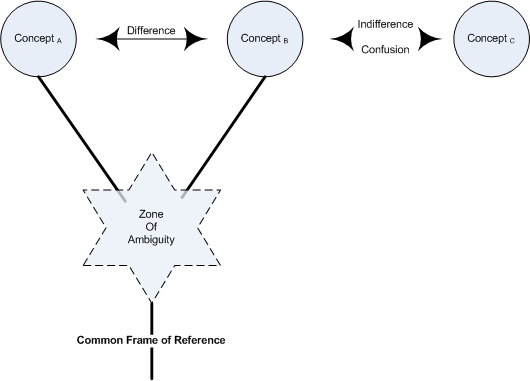
1. A pattern of Difference
Spend anytime in the online autism community, and you'll find a rich cast of characters offering a diverse perspective on what it means to be autistic. From clinically diagnosed autistics in early adulthood to late middle age to individuals who have self-identified as autistic, I've had the chance to read over 130 autistic bloggers on the directory, in addition to other autistics whose writings appear in print, on websites, forums, and facebook.
. . . don't exist.
But because it's
finger squid season in Texas, I've been reading up on the closest
approximation to a freshwater squid: the Atlantic brief squid,
Lolliguncula brevis. It's a pretty great name for a pretty great squid. The latin name just rolls off the tongue: lolly-
gunk-you-lah. And "brief"? Like
these? Oh wait, those are squid briefs, not brief squids . . .
I think the brief squid was named for its diminutive size.
Which science kills the most people each year? Prompted by a quote-- "guns don't kill people-- physics kills people." ('3rd Rock from the Sun') -- it's time we look at which science really is the deadliest.
So let's set up the big three: Physics, Chemistry and Biology. In a Hollywood movieland world, Physics would be the clear winner on early deaths. Car crashes, gunshot wounds, bicycle accidents, falling down, people hitting each other, and that biggie called 'war' are all physics-driven deaths.
The big news in the diabetes world this week is a new article in the New England Journal of Medicine (link
here) about how Actos (scientific name:
pioglitazone) can help prevent the development of diabetes in folks with prediabetes. The American Diabetes Association has a handy page for helping determine if you have "prediabetes" (link
here). If you're looking at HbA1c, it means that you are between 5.7% and 6.4%.