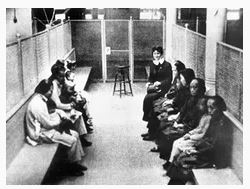


From the Trump administration’s Muslim travel ban to its family separation policy, many Americans object to the White House’s hardline immigration policies as a historical aberration out of sync with U.S. values.

Having explored the evolution of these policies and their consequences as both a practitioner of immigration law and scholar of U.S.-Latin American relations, I disagree.

In April 2017, journalists promoted a claim about plastic bag eating caterpillars which led to sensationalistic coverage in worldwide media. They could eat the sea-sized floating islands of plastic bags that don't actually exist.

The science community was skeptical. 
Sometimes pop culture becomes fact for the public. When the climate disaster film "The Day After Tomorrow" came out, journalists bizarrely started referencing it as a real climate change scenario, and now that Netflix, the home of anti-science sentiment among streaming services(1), has "Chernobyl" available, people think that is creating mutants.(2)
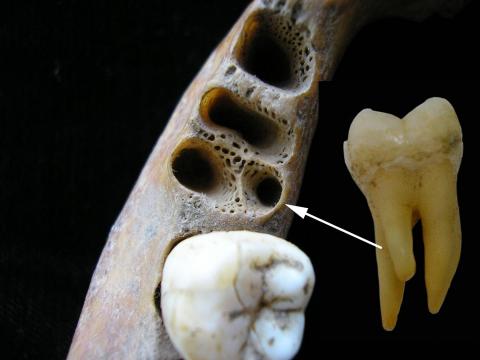
An analysis of a 160,000-year-old archaic human molar fossil discovered in China points to a different evolutionary path a rare trait primarily found in modern Asians than previously accepted timelines after Homo sapiens dispersed from Africa.

The study centers on a three-rooted lower molar and reveals the first morphological evidence of interbreeding between H. sapiens and the Denisovans, a sister group of Neanderthals
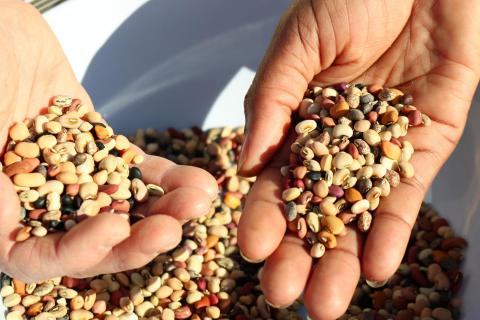
Black-eyed peas, a global dietary staple for centuries due to their environmental toughness and nutritional qualities, are small beans with dark midsections. In sub-Saharan Africa they remain the number one source of protein in the human diet. 

Now it's gotten its genome decoded, a problem almost as tough as the legume itself. 

A genome is the full collection of genetic codes that determine characteristics like color, height, and predisposition to diseases. All genomes contain highly repetitive sequences of DNA that University of California Riverside Professor of Computer Science Stefano Lonardi likens to "hundreds of thousands of identical jigsaw puzzle pieces."
Kratom, derived from the leaves of the southeast Asian tree Mitragyna speciosa, is a supplement that is not useless, it actually does something. It contains psychoactive compounds and users also like it as an analgesic, but because it is a plant users and kratom trade groups insist it should not have to go through clinical trials, even while they sell it as a product that is a drug.
Fish, insects, crustaceans, and even some plants possess the ability to change the sex of their offspring before they are born.

It's a genetic skill mammals lack. Or did.

A new study reveals a genetic system in mammals that enables two animals to mate and produce only females. A similar system based on identical principles would produce only males.

This proof of concept is in mice - an instance where a mouse study is actually valid - but the real benefit is for agriculture, where farmers may want dairy cows and egg-laying chickens and not have to deal with random chance. 


There is no question the government and its hand-picked advisors have hyped claims of opioid addiction beyond all sense. Doctors, pharmaceutical companies, and legitimate pain patients have all been steamrolled in an effort to stop what is really a recreational use problem. 

Data from the Youth Risk Behavior Surveys between 1993 to 2017 covering 27 states and Washington, D.C., before and after "medical" marijuana laws were adopted and 7 states from before and after recreational marijuana laws were adopted covering more than 1.4 million high school students finds that marijuana laws appear to be associated with a decrease in the odds of marijuana use in the past 30 days or frequent marijuana use after medical marijuana laws were passed.
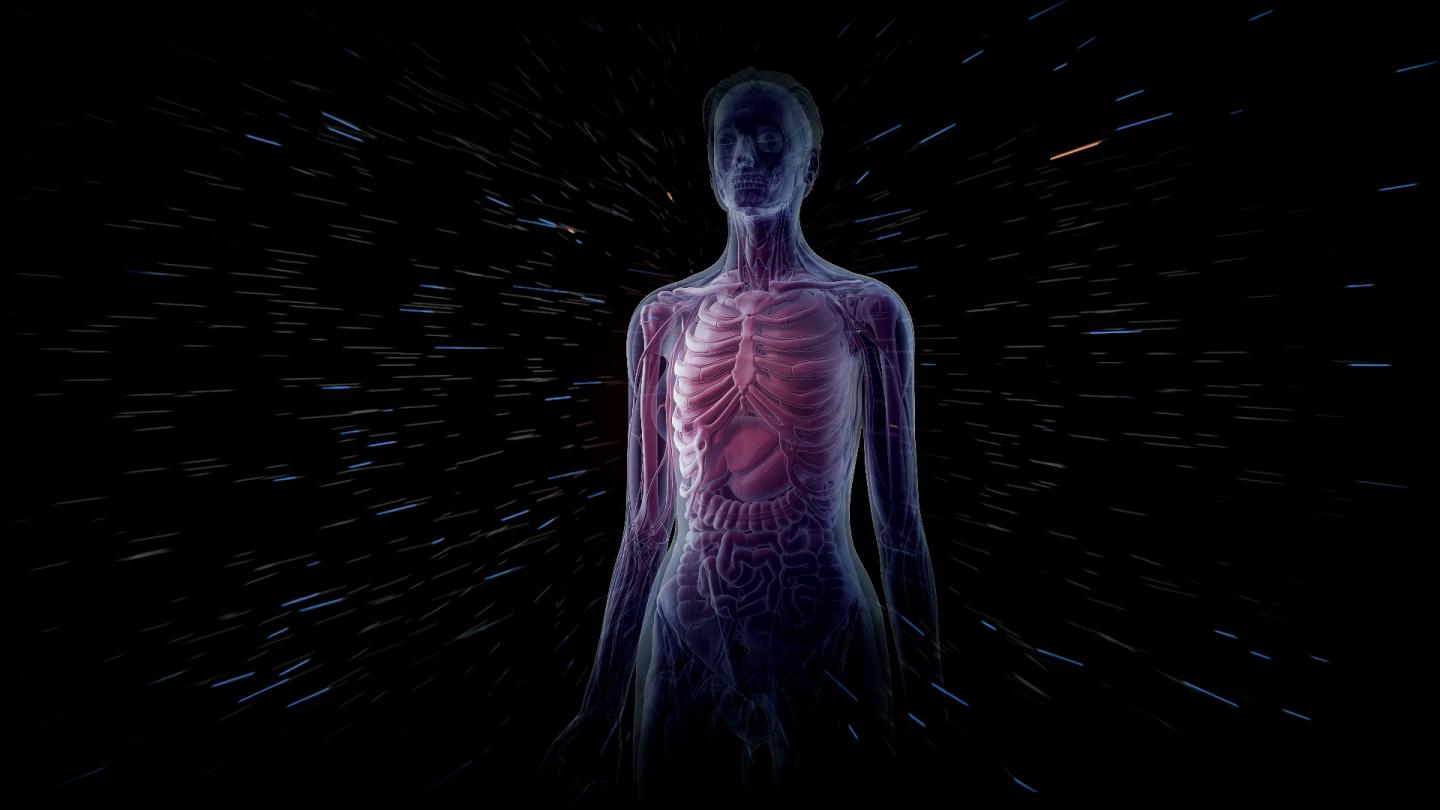
When you ingest sugar from honey or sugar from cane, your body converts it to a common currency - adenosine triphosphate (ATP). The same goes for fat and protein.

It's the calories that matter and too many of any of those will result in body fat - and that is not all equal. The location of where fat is stored in the body can have significant implications for human health, according to a new study which compared fat cells from under the skin and from the harmful fat inside the abdomen, creating the first comprehensive genomic map that reveals unique features, which appear to 'hard-wire' different types of fat early in cell development.

