

Our bodies can deploy biomolecules to find, tag and destroy invading pathogens. They work by binding to specific targets, called epitopes, on the surfaces of antigens - like locks to keys.

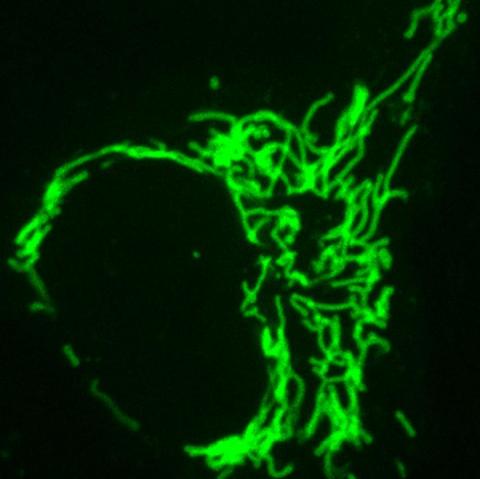
This selective tagging mechanism in natural antibodies has been valuable in engineering antibody-based probes that let them purify and study different types of proteins within cells. One technique, epitope tagging, involves fusing an epitope to a protein of interest and using fluorescently labeled antibodies to make those proteins visible - but only in fixed, dead cells.

Though numerical models don't always correlate with reality, a new paper states that the world can achieve a 2 degree Celsius climate-stabilizing goal and reach net-zero emissions by mid-century, without closing newer plants that, let's be honest, no country is going to close.

Are you going to be in the Hamburg (Germany) area on July 7th? Then mark the date! The AMVA4NewPhysics and INSIGHTS ITN networks have jointly organized, with the collaboration of the DESY laboratories and the Yandex school of machine learning, a public lecture titled "Artificial Intelligence: past, present, and future". The lecturer is Prof. Pierre Baldi, from the Center for Machine Learning at the University of California Irvine.
The venue is the auditorium (horsaal) of the Deutsches Elektronen-Synchrotron (DESY) laboratories, just west of the center of Hamburg, at Notkestrasse 85. The event starts at 5PM.

The Powering Past Coal Alliance(1) wants to phase out coal power but are hampered by limited membership who don't have to face economic realities. Finland has different energy sources available than China has. And China is not going to be bullied by Finland, Denmark, or anyone else.

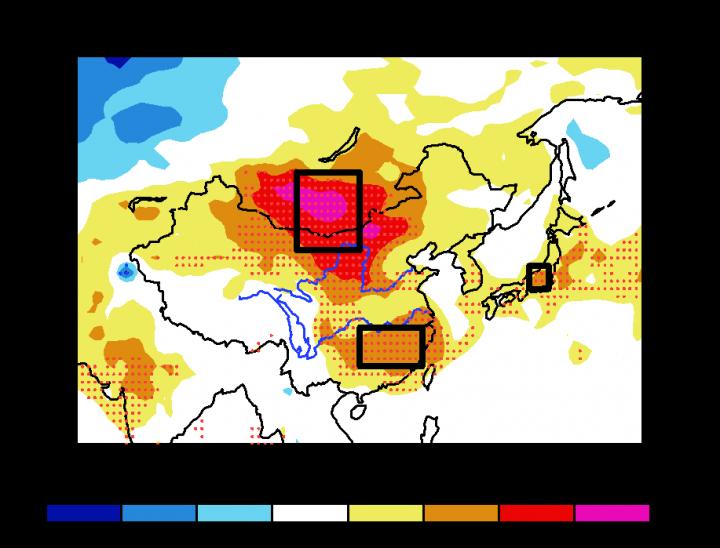
Changes in spring surface air temperature can vary widely and even impact socioeconomics in developing countries so it will be important to learn how to predict the variations of spring temperatures. However, the dynamics and predictability of East Asian temperatures during boreal spring are more challenging compared to those in the other seasons. 

Part of the difficulty is due to the spring predictability barrier. The predictive skill based on El Niño-Southern Oscillation decreases rapidly during boreal spring. For as long as climate change has been a concern El Niño has been considered a confounder.

A 65-year follow-up study of 6,883 patients with Multiple Sclerosis suggests they have a greater overall risk of developing cancer than the general population, with an especially high risk of cancer in respiratory organs, urinary organs and the central nervous system.

Multiple sclerosis is a lifelong disease that affects the central nervous system, especially the brain, spinal cord and optic nerves. It can lead to a wide range of symptoms, including problems with vision, arm or leg movement, sensation or balance. MS is one of the most common causes of disability in younger adults, and people with MS have on average 7 years shorter longevity.

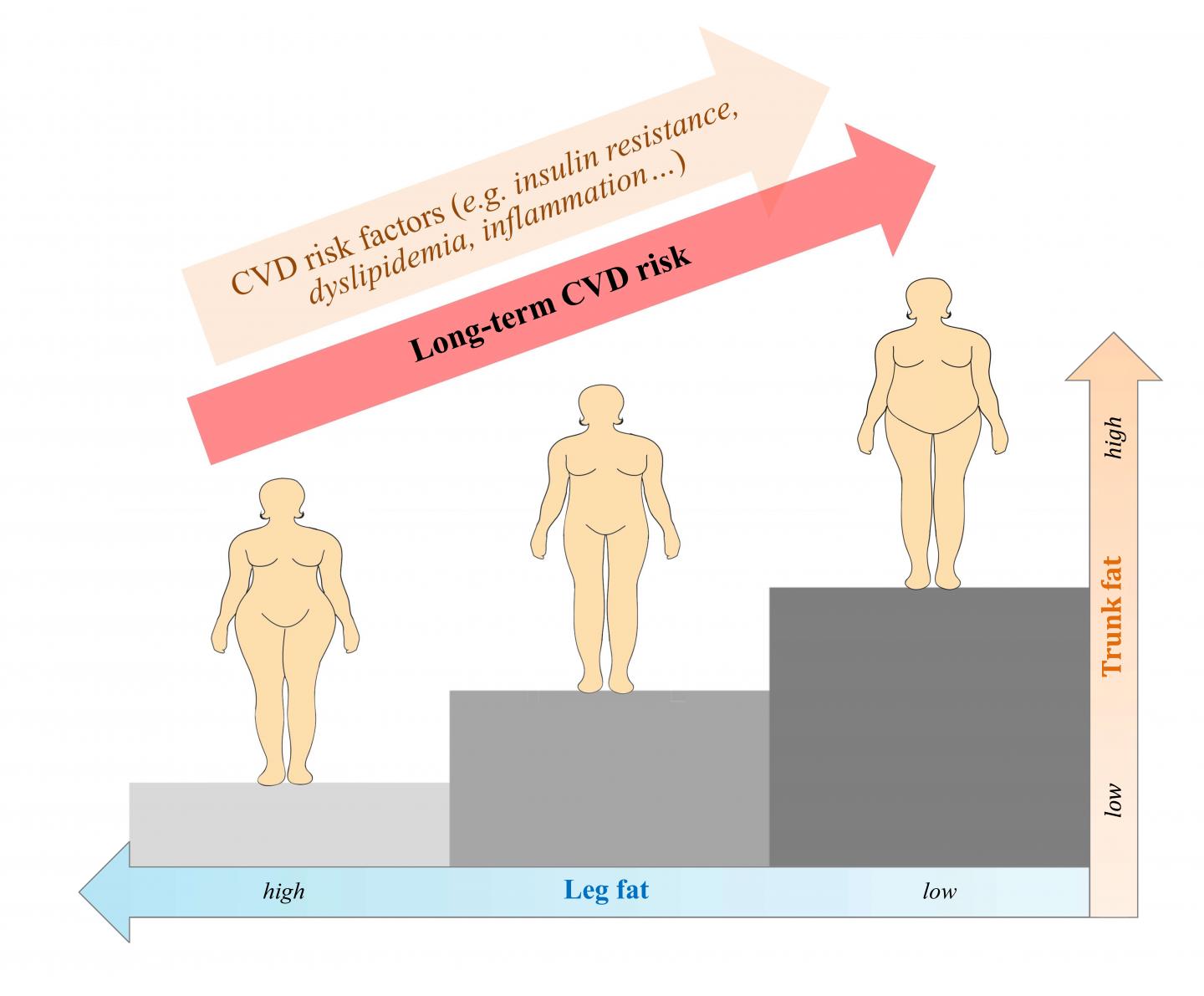
It's generally believed that if you are going to be heavy, pear-shaped (fatter) in the waist and legs) is better than apple (fat around the chest) and a new study validates that holds true for postmenopausal even if they are not heavy and have a normal, healthy body mass index (BMI).

That requires some context. BMI is a fine population-level metric but generally useless for individuals. If you have a high BMI but know you are fit, don't think you need to shed muscle mass to lose weight. 

In postmenopausal women, storing a greater proportion of body fat in the legs (pear-shaped) whether having high BMI or not was linked to a significantly decreased risk of cardiovascular disease.

We've all offered an excuse for a poor reaction or any behavior we recognize we should not have engaged in; many have rationalized it to mitigate consequences or even make it socially acceptable. 

Stress, headaches, even ignorance can be proffered, but what makes an excuse plausible? In law, things are a little more clear, duress and coercion and psychological maladies have all been successful, but to families and friends it might not be as easy as convincing a jury of strangers. Especially if you do it often.

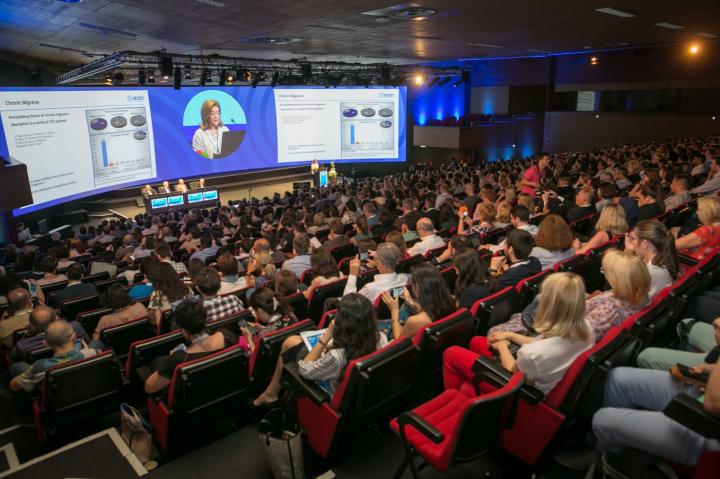
At the recent Academy of Neurology Congress, scholars reported that among 1,034 people recruited from 35 countries via an online crowdsourcing platform asked if they'd ever had an Near Death Experience, 289 answered 'yes.' When were asked for more details, using a 16 point questionnaire called the Greyson Near-Death Experience Scale, 106 reached a threshold of 7 on the Greyson NDE Scale. Some 55 percent perceived the their feeling as truly life-threatening.

Among respondents, 73 percent who claimed a near death experience said it was unpleasant, but those with a score of 7 or above on the Greyson NDE Scale had 53 percent pleasant descriptions of it.

It's so sad when people think they can't have children because of climate change. Two years ago most of these parents weren't despairing; they didn’t even give it thought. Climate change was not an election issue in the US elections in 2016, or the UK elections in 2017 even. Now it is one of the top issues for most governments worldwide. This gives so much more hope for the future, for those who have been following it all along, but many of those who have just begun to give it serious attention for a couple of years are already despairing only three years after the Paris agreement.

This is all topsy turvy. The underlying situation hasn't changed significantly. Scientists knew all of this (in less detail) decades ago.

