In 2011 I wrote
a book with Dr. Alex Berezow of
RealClearScience in which we noted the common cause among the anti-vaccine, anti-energy, and anti-GMO communities. They shared common beliefs about distrust of science and I made a challenge; I said if I drew a radius around a Whole Foods, I could predict with high accuracy how those people with those beliefs voted.
Bees have tiny brains but that is all relative; It seems they also possess complex number skills.
Lots of animals count as shown by how many engage in foraging, shoaling, and resource management arithmetic, addition and subtraction, is rare, only a few nonhuman vertebrates do it.
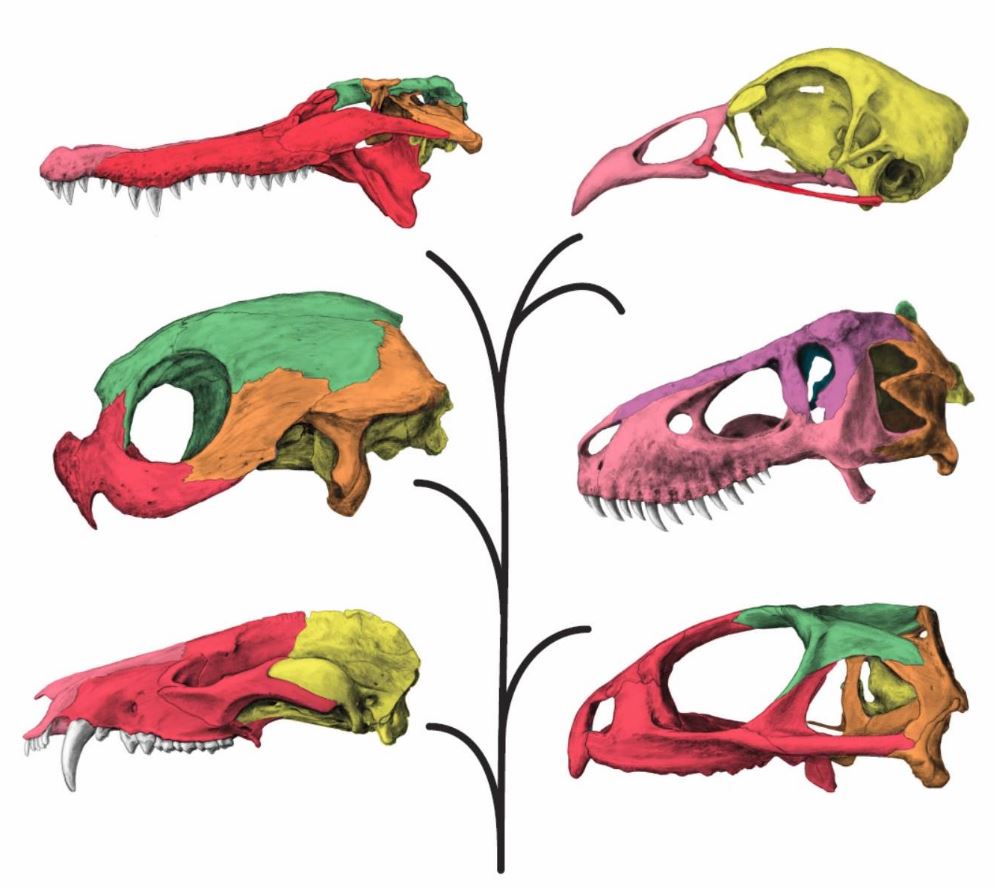
Senckenberg scientist Ingmar Werneburg, together with an international team, re-examined the An examination of the skull structure of Tyrannosaurus rex using “anatomical network analysis” found that the carnivorous dinosaur had an extremely flexible skull structure.
Tyrannosaurus rex – the “King of the Tyrant Lizards” – owes its name in part to its impressive teeth and skull. Researchers compared the skull of T. rex with the skull construction of modern terrestrial vertebrates to examine which skull bones are connected to each other and found that different bone modules led to a highly flexible muzzle that aided in tearing apart prey animals.
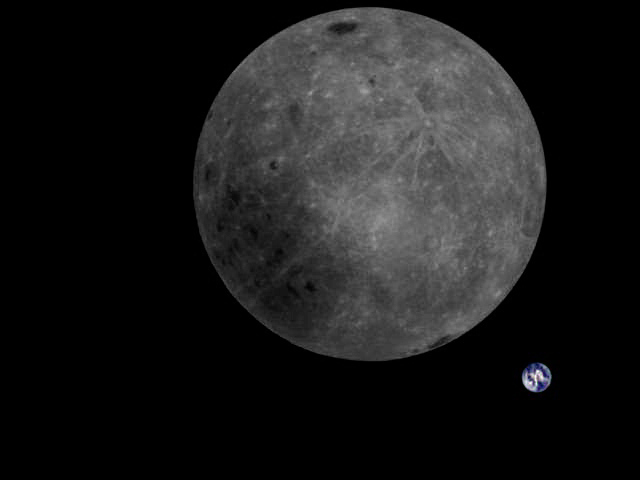
In January, the Chang’e-4 lunar probe landed on dark side of the Moon but it's a tiny relay satellite that is getting all of the buzz today.
"Bud Light", a lower carbohydrate beer produced by Anheuser–Busch InBev
of Belgium, made waves at the Super Bowl, among beer experts and competitors at least, by assuring their customers they did not use corn syrup.
So corn syrup is bad? Well, no, they didn't say that, they just said they didn't have it, but such "nocebo" tactics - the opposite of placebo, making people feel healthier about a product they don't have - have been tried and true for 50 years.(1)
I got a butter shaper for Christmas. I asked for one because I make lot of butter in a mason jar and then just throw it in tupperware but my friends sometimes want butter and it feels a little dismissive to just hand them tupperware.
Imagine my disappointment when I read the instructions which stated that it needed to be treated with "Organic Coconut Oil." Butter used to be something almost everyone made and now it was the providence of uninformed hippies, it seems. Or maybe this company was trapped in 2016?
From a great distance, our Milky Way would look like a thin disc of stars that rotates once every few hundred million years around its central region. Hundreds of billions of stars provide the gravitational glue to hold it all together.
But the pull of gravity is much weaker in the galaxy’s far outer disc. Out there, the hydrogen clouds that make up most of the Milky Way’s gas disc are no longer confined to a thin plane. Instead, they give the disc an S-like, warped appearance.
When the HPV vaccine was first introduced, there were a number of reasons people listed for being critical. Some were just corporate cynicism - a company that just lost $5 billion in a Vioxx settlement was working its way under the same vaccine halo as polio and smallpox, they said. Others argued that it didn't work very well. And then there was a more subjective cultural claim that protecting teenage girls against a future cancer by making sex seem safer would lead to promiscuity.
Mind reading and the ability to predict the future are not skills people generally associate with the human race. Yet, research shows many people genuinely believe in the
existence of psychic powers.
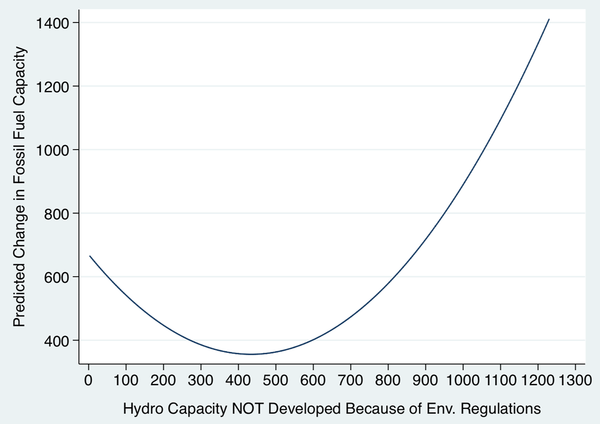
Data from 110 counties in 33 states from 1998 to 2014
has found that brute preservation efforts, the 'nature cannot be touched by humans' kind promoted by aggressive environmental groups,
leads to more greenhouse gas emissions.