





The Signal Analysis and Interpretation Laboratory (SAIL) has attempted construction of a ‘Synthetic Laughter Generator’ – which could be of use as a responder to their ‘Automatic Sarcasm Recognizer’ previously described.
The Earth just got a few shots across our bow, what with a giant asteroid hurtling between us and the moon, and another (fortunately much smaller) space rock exploding over Russia, causing a surprising amount of destruction.  

So what can we do about the solar system trying to bomb us?  Fortunately, the Space Generation Advisory Council is on the case with its Move an Asteroid contest.

Bacteria didn't just impact our evolution, we impacted the evolution of bacteria also, according to a study of DNA preserved in calcified bacteria on the teeth of ancient human skeletons.

The ancient genetic record reveals the negative changes in oral bacteria brought about by the dietary shifts as humans became farmers, and later with the introduction of food manufacturing in the Industrial Revolution.


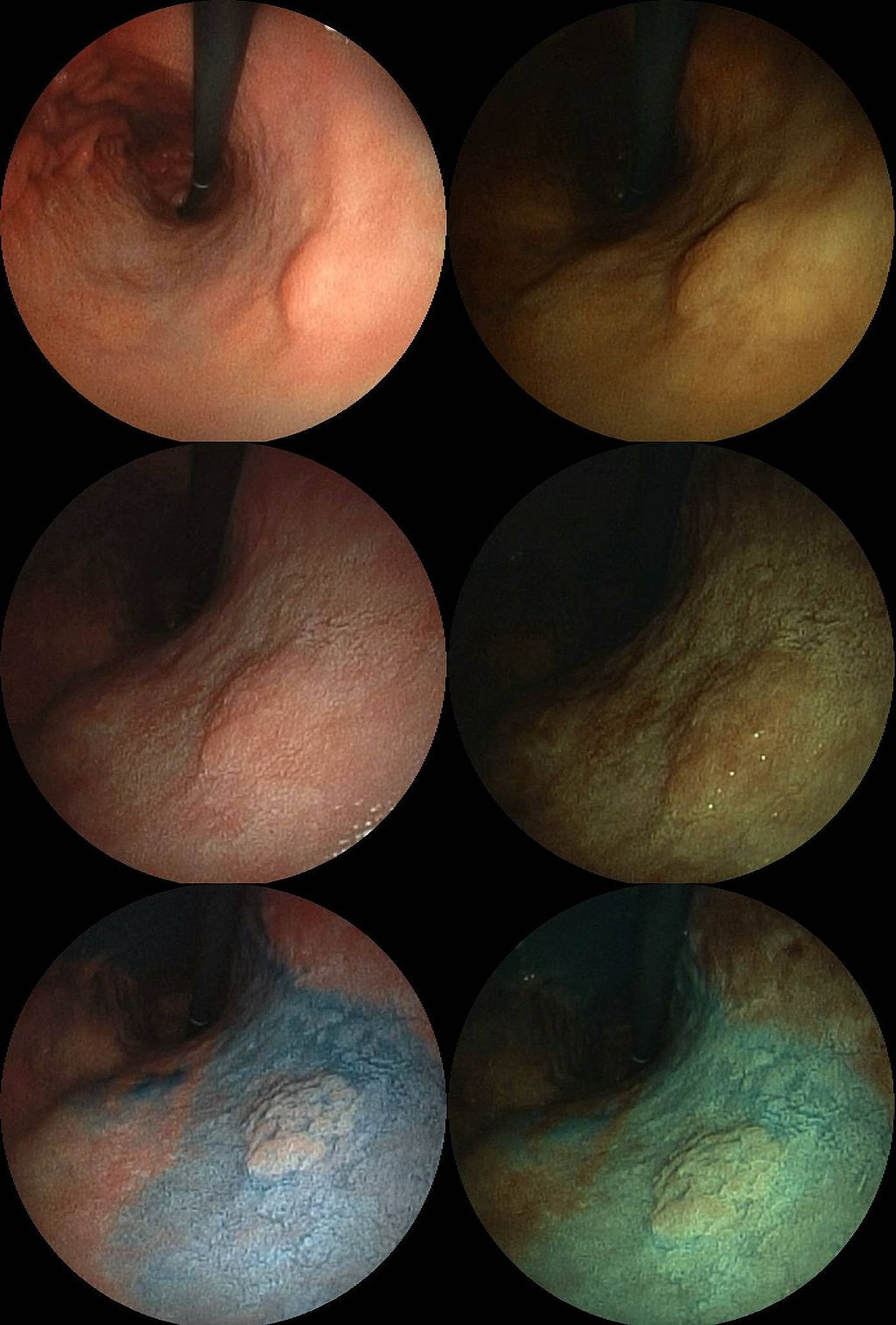
Researchers have discovered new subgroups of stomach cancer patients with different disease characteristics, information that could help improve the clinical management of a disease that still kills a dismaying 3 out of 4 patients. 

Despite being in use for almost 20 years with no health or safety issues, controversy continues to surround genetically modified crops and their regulation.

Bruce Chassy, a professor emeritus of food science and human nutrition at the University of Illinois at Urbana-Champaign, believes that after thousands of research studies and worldwide planting, "genetically modified foods pose no special risks to consumers or the environment" and are over-regulated.

However many holy words you read, however many you speak, what good will they do you if you do not act on upon them? (Buddha)

It is folly for a man to pray to the gods for that which he has the power to obtain by himself. (Epicurus)

Adapt yourself to the things among which your lot has been cast and love sincerely the fellow creatures with whom destiny has ordained that you shall live. (Marcus Aurelius)

Engineers from the University at Buffalo engineers have created technology that could lead to breakthroughs in solar energy, stealth technology and other areas - but they had to catch some rainbows first. 

Qiaoqiang Gan, PhD, an assistant professor of electrical engineering at  the University at Buffalo, and a team of graduate students developed a "hyperbolic metamaterial waveguide," which is essentially an advanced microchip made of alternate ultra-thin films of metal and semiconductors and/or insulators. The waveguide halts and ultimately absorbs each frequency of light, at slightly different places in a vertical direction  to catch a "rainbow" of wavelengths.  

Offshore wind has potential to help the United States meet its growing energy needs, but the U.S. marine renewable energy industry has lagged behind Europe for decades.

Recent government subsidies have accelerated renewable energy development in U.S. waters, particularly along the East Coast, but a critical challenge is finding space for a growing number of turbines in an ocean crowded with fishing, marine transportation and recreational boating.

Why is the world so full of "morons" and "degenerates" and what, if anything, can be done to fix them?

These are questions that Robert W. Sussman, PhD, a professor of anthropology in Arts&Sciences at Washington University in St. Louis, explored Feb. 15th at the AAAS meeting in Boston.

Recognition of early-career women scientists helps encourage participation in medical research, builds strong research cultures, and inspires a new generation of scientists.

 In that light, five medical and life science researchers from Africa, the Middle East, Asia, Latin America and the Caribbean Basin today received the 2013 Elsevier Foundation Awards for Early Career Women Scientists in the Developing World for work that could contribute to life-saving knowledge and therapies worldwide. The prizes were awarded by The Elsevier Foundation, the Organization for Women in Science for the Developing World and TWAS, the academy of sciences for the developing world, to build research capacity and advance scientific knowledge throughout the developing world.


