


Fuel produced from various animal fats is similar to biodiesel manufactured using ethanol from corn. But if the price of animal fat rose sharply, no one would really notice, since no one really eats animal fat.

And it isn't just limited to chicken, pork or beef fat , they can use alligator too. Why would they do that? Science! The report at the latest meeting of the American Chemical Society follows up on an earlier study on the potential use of gator fat as a source of biodiesel fuel. It's cool research, but there is obviously a limited amount of alligator fat lying around.

Shale is the source of the United States' current natural gas boom and the lower greenhouse gas emissions it has brought. As if that is not wonderful enough, it could help solve another energy problem: what to do with radioactive waste from nuclear power plants. 

The unique properties of the sedimentary rock and related clay-rich rocks make it ideal for storing the potentially dangerous spent fuel for millennia, according to a geologist studying possible storage sites who made a presentation at the latest National Meeting of the American Chemical Society (ACS).

Volatile organic compounds (VOCs) evaporate easily in the air but they help suppress a deer hunter's worst enemy - smells. 

And that science of deer hunting may soon help researchers develop a life-saving device for diabetes patients, according to a paper at the latest National Meeting of the American Chemical Society (ACS).

By figuring out the best way to collect and analyze VOCs from body and breath odor, the researchers are going to develop VOC detection that can diagnose and monitor disease. That's where deer hunting comes in. It isn't just pest control that pays for state biologists and wildlife conservation, it's science.

Exposure to media that promotes conspiracy theories may increase belief in them, but exposure to debunking information can decrease that belief, a new study has found.

The report, published in the January-March edition of the journal Communication Quarterly and conducted by researchers at the University of Missouri and Indiana University-Purdue University Columbus, suggests that messages can influence peoples' beliefs, even in a fragmented media world.

An international collaboration recently analyzed existing cohort studies and randomized trials on coronary risk and fatty acid intake and drew a conclusion that will surprise you if you only get your science and health news from mainstream newspapers or television -  the evidence to support restricting the consumption of saturated fats in order to prevent heart disease isn't there.

And consumption of polyunsaturated fats is probably not a bad idea but there is insufficient evidence for guidelines which advocate the high consumption of polyunsaturated fats (such as omega 3 and omega 6) to reduce the risk of coronary disease. 

In mainstream media, everywhere from Fox News to Time (and here on Science 2.0, though with a little more skepticism) a

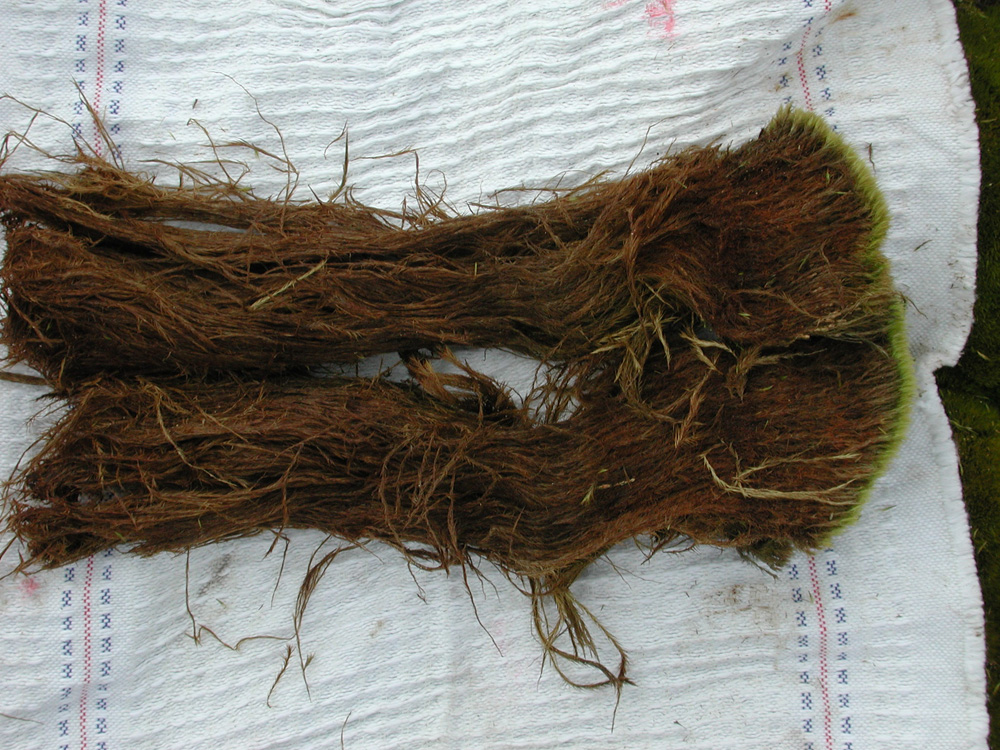
Even after over 1,500 years frozen in Antarctic ice, moss can come back to life and continue to grow.

Writing in Current Biology, the team report that they observed moss regeneration after at least 1,530 years frozen in permafrost.  For the first time, this vital part of the ecosystem in both polar regions has been shown to have the ability to survive century to millennial scale ice ages and it is the first study to show such long-term survival in any plant; similar timescales have only been seen before in bacteria. Mosses are known to survive environmental extremes in the short-term with previous evidence confirming up to a 20 year timescale for survival. 

The antibiotic-resistant bacterium Klebsiella pneumoniae sequence type 258 (ST258) is the predominant cause of human infections among bacteria classified as carbapenem-resistant Enterobacteriaceae (CRE), which kill approximately 600 people annually in the United States and sicken thousands more.

Most CRE infections occur in hospitals and long-term care facilities among patients who are already weakened by unrelated disease or have undergone certain medical procedures.  

Life is just packed full of surprises.

You just never know when you'll get stuck in an elevator with the finalists for the new Victoria's Secret Catalog (all of whom just happen to be in estrus). 

You never know when you open your door if Ed McMahon will be standing there with a $1 million check from Publishers Clearing House.  (OK, this one you do know, since he's somewhat dead). Or a paroled member of the Manson Family. Or Paris Hilton with a parakeet on her head. 

So,  just when you think you've already seen the worst possible science paper in the entire history of multicellular life, life pulls the rug out from under you.

