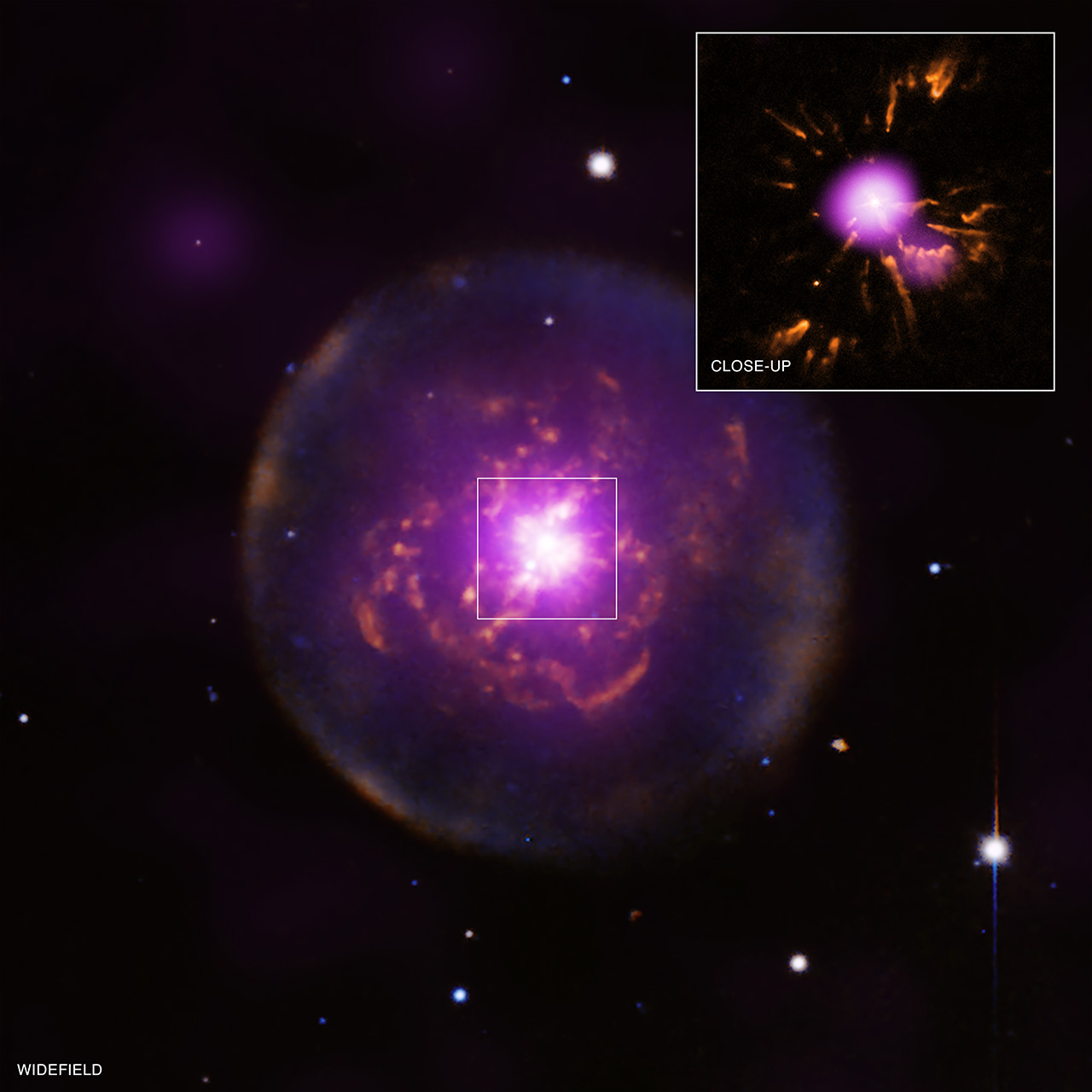
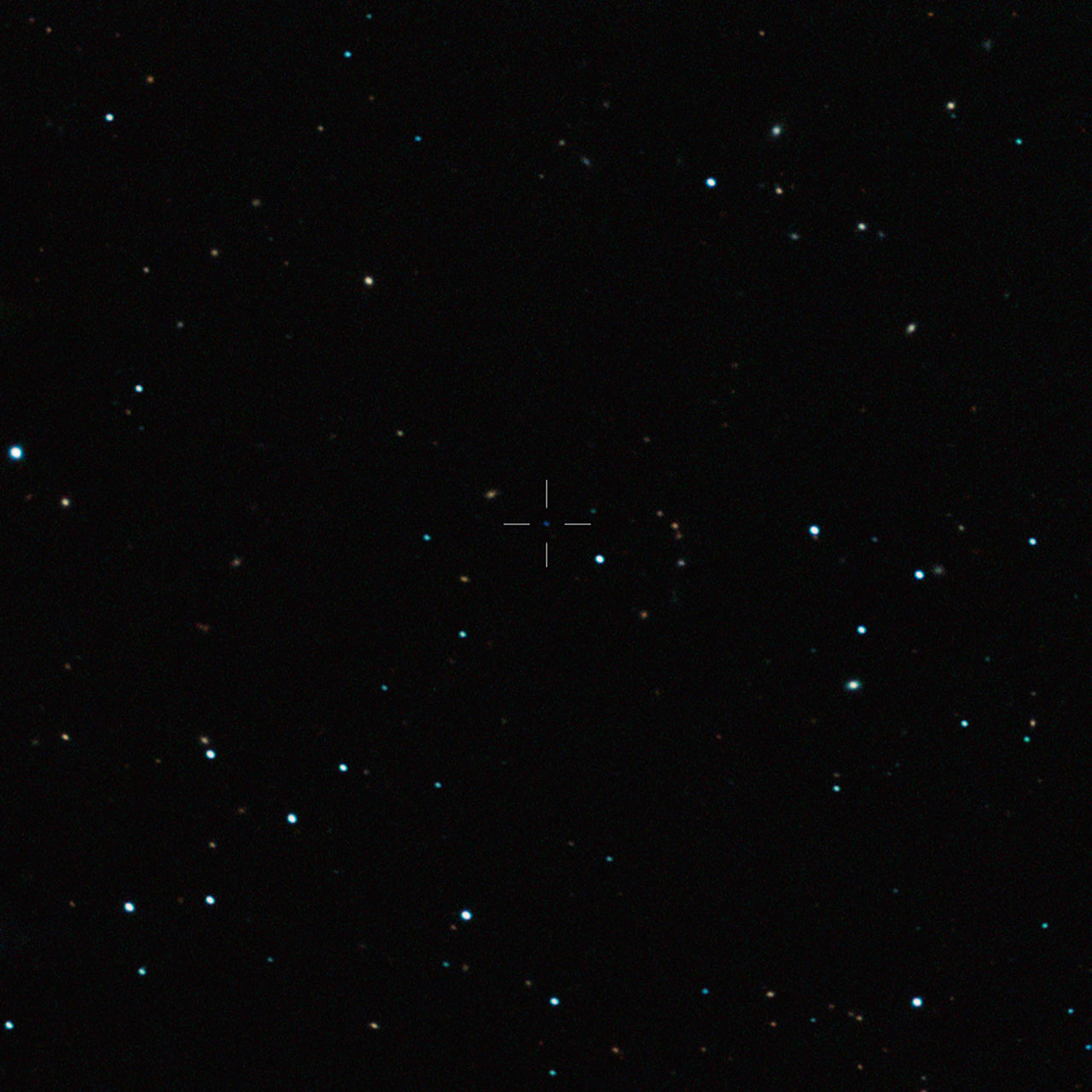
The planetary nebula Abell 30 is located 5,500 light-years from Earth and it has given astronomers a lookl at a dying Sun-like star that came briefly back to life after giving up the stellar ghost, mimicking the possible fate our own Solar System faces in a few billion years..
‘Planetary nebula’ is the name given to the often-concentric shells of stellar material cast into space by dying stars. To astronomers of the 18th century, these objects looked like the colorful ‘blob’ of a planet through their telescopes, and the name stuck. Astronomers now know that as a star with less than eight times the mass of the Sun swells into a red giant towards the end of its life, its outer layers are expelled via pulsations and winds.
How did Tycho Brahe die?
It's been a mystery for over 400 years. 11 days after he took ill, he passed away on October 24th, 1601 and in that wake arose a host of speculations, myths, conspiracies and hypotheses.
One persistent theory, that involved both misadventure and claims of murder, was mercury; that he had self-experimented/self-medicated the mercury, or that he was poisoned.
In 2010, Brahe was exhumed from his grave in Prague and a Danish-Czech team of researchers has been working to determine the cause of his death. The results of this intensive work now make it possible to rule out mercury poisoning as a cause of death.
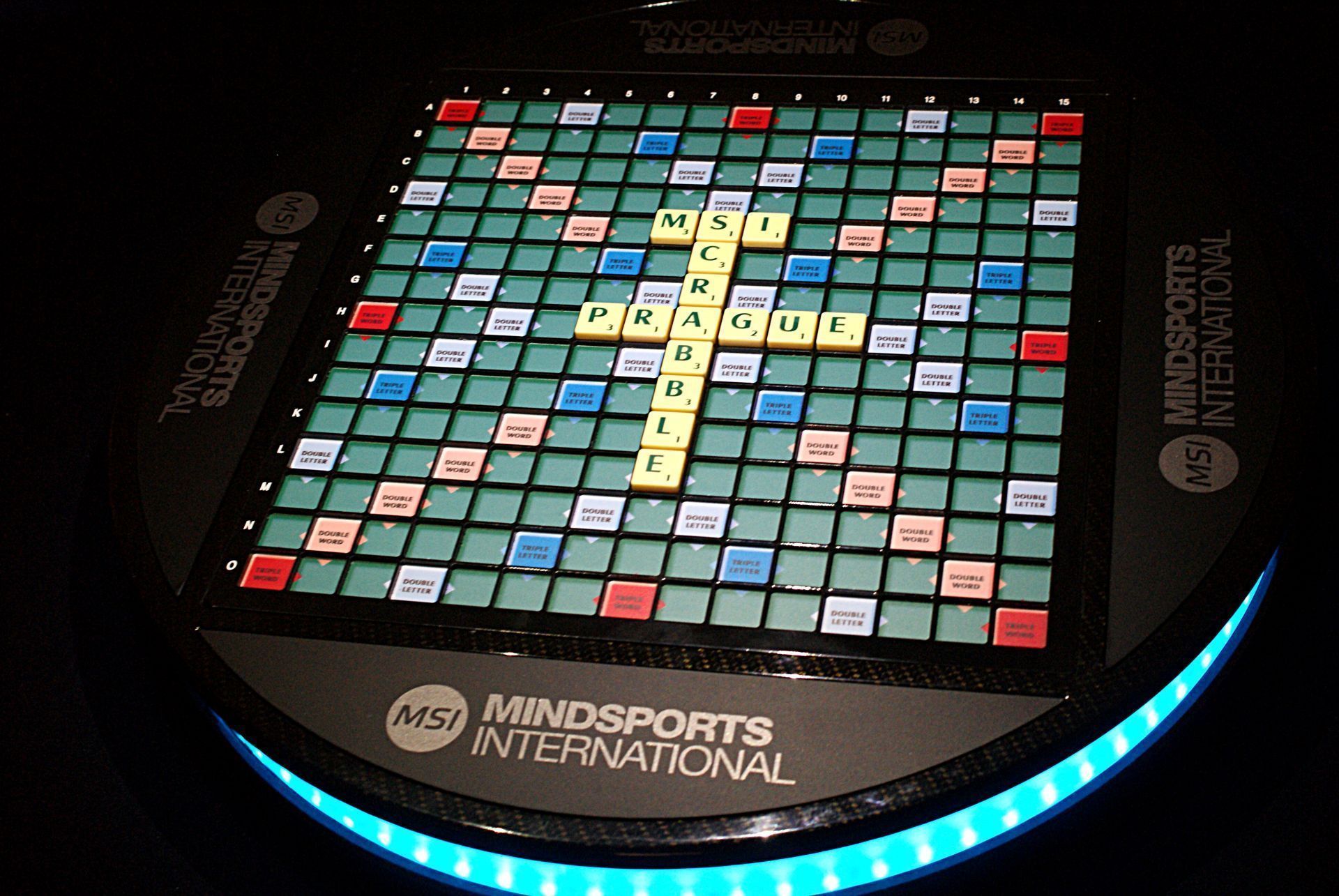
Mind Sports has created arguably the most expensive and advanced tournament Scrabble system in the world. It's set to be unveiled at the Prague Mind Sports Festival next month and is a tech-lovers dream. It cost over $25,000 to produce because it utilizes custom-built RFIDs to read the entire Scrabble board almost instantaneously (974 milliseconds), transmitting the information via software to viewers online.
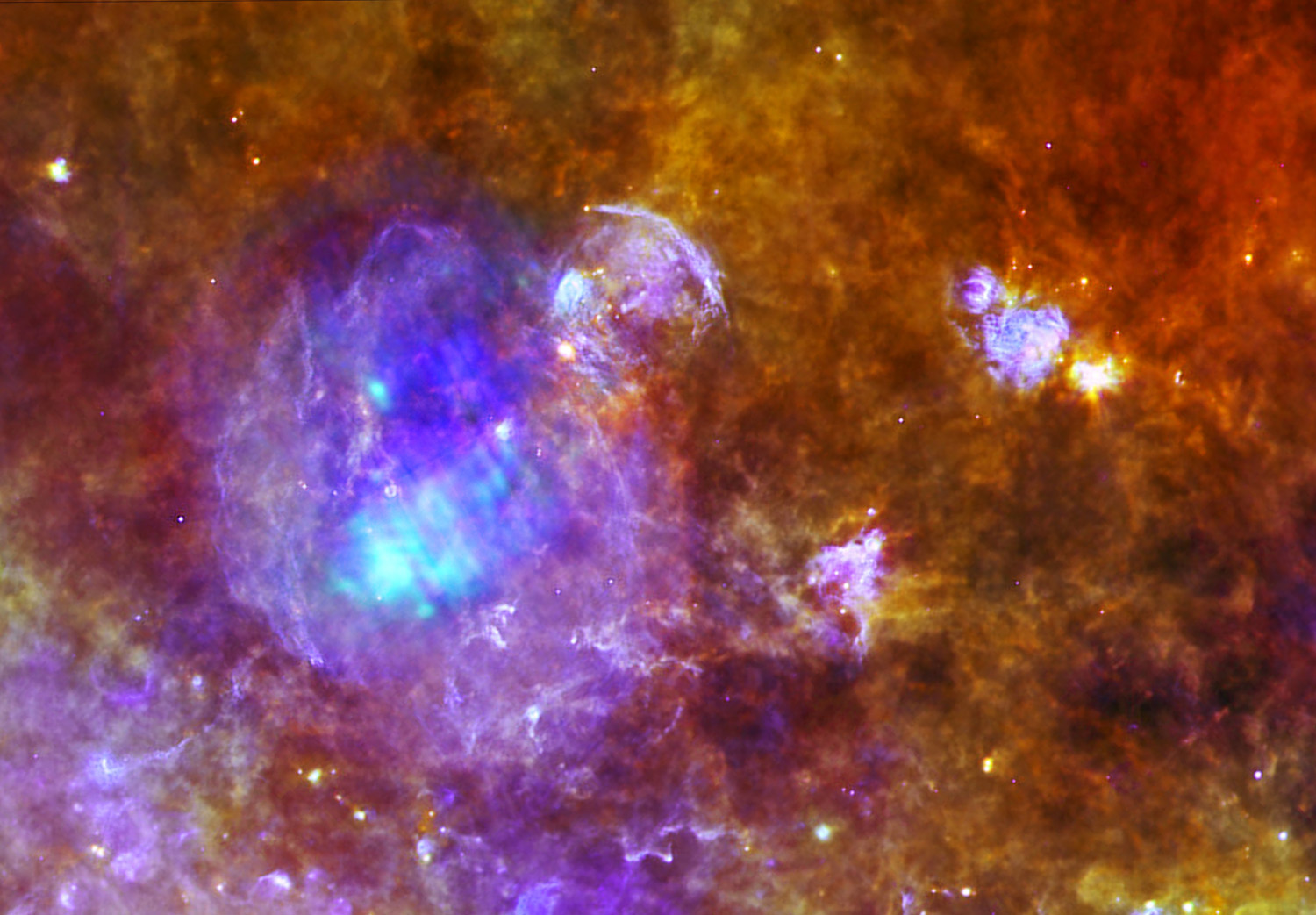
A new image of supernova remnant W44, which combines far-infrared and X-ray data from ESA’s Herschel and XMM-Newton space observatories, shows the aftershock of a stellar explosion rippling through space. W44 is about 10,000 light-years away, in the dense star-forming clouds of the constellation of Aquila, the Eagle, and is one of the best examples of a supernova remnant interacting with its parent molecular cloud.
The Price Revolution in Europe, the runaway inflation that occurred during the years between 1515 to 1650, has been attributed to the sudden influx of silver from Mexico and Peru after discovery of the New World, which led to the decline in the value of of silver, and the growth of the European population and therefore competition for goods, which drove up prices.
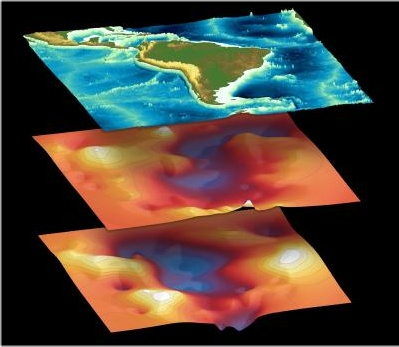
The El Niño-Southern Oscillation (ENSO) drives many of the catastrophic climate events that occur from one year to the next: floods, droughts, wildfires, and hurricanes.
However, climate scientists do not yet know how ENSO will respond to climate change. A new multi-century reconstruction of ENSO variability, based on fossil corals from Papua New Guinea, reveals a century-long decline in the number of El Niño events starting in the mid-1500s. It is the first time such a shift in activity has been documented in either modern observations or past reconstructions.
This reduced activity coincided with the initiation of an unusually cool period in the Northern Hemisphere called the Little Ice Age (LIA), which continued on into the mid-1800s.
Astronomers have identified a body that is very probably a planet wandering through space - without a parent star. This is the closest such object to oue Solar System, a distance of about 100 light-years and its comparative proximity and the absence of a bright star very close to it have allowed the team to study its atmosphere in great detail.
Free-floating planets are planetary-mass objects that roam through space without any ties to a star. Possible examples of such objects have been found before but without knowing their ages, it was not possible for astronomers to know whether they were really planets or brown dwarfs, “failed” stars that lack the bulk to trigger the reactions that make stars shine.
Maybe more interesting than the
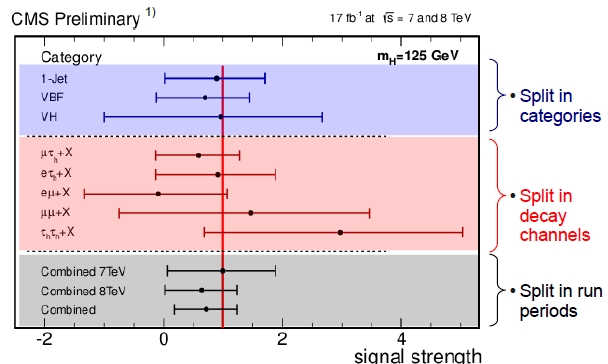
just reported result of searches for the Higgs boson into four-lepton final states (ee, eμ, μμ) are the result presented by CMS and ATLAS on the searches for the Higgs decay into tau-lepton pairs. The reason for the interest comes from the fact that last July the rather high rates of Higgs decays to photon pairs had suggested to some that this new particle might have reduced couplings to fermions, and could thus be a non-Standard Model particle after all.
Today new results of Higgs searches have first been shown in Kyoto, at the
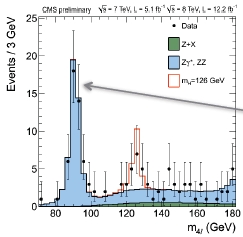
Hadron Collider Physics conference. Let us see the CMS and ATLAS updates of their measurements in the ZZ-> 4 leptons final state, which constitutes the best signal-to-noise channel to study Higgs properties cleanly and measure mass and spin-parity of the new found particle.
We all love paradoxes, those seemingly consistent logical brain-teasers where we sort out what can and should and might and must happen and that invariably lead to self-contradictory arguments.
If you are like me and my friends, there is nothing you enjoy more than sitting around during half-time of the Steelers game and arguing over Maxwell's Demon - the many ways to violate the Second Law of Thermodynamics, namely that heat transfer happens, from warmer to colder, until equilibrium is reached. If I put an ice pack next to Ben Roethlisberger's blazing hot 145 third down QBR (Total Quarterback Rating), for example, the ice pack will not cool down, it will warm up. So it has always been, so shall it must be. It is common sense.