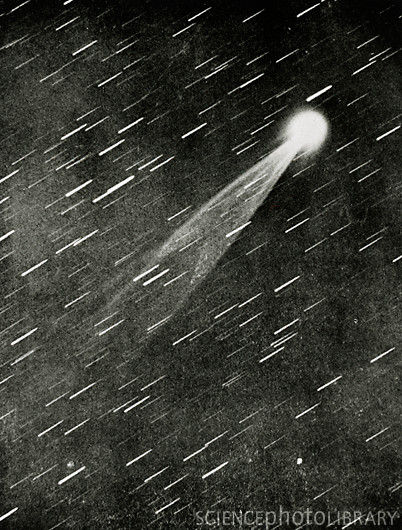





The Draconids (also called Giacobinids) are a meteor shower associated to comet Giacobini-Zinner (see below for a 100-year-old picture of the comet). While most years this shower passes unnoticed to all but few professionals and experts amateurs, yielding only very few meteors in the nights between October 6th and 10th, every once in a while the Draconids do put up a real show, producing hundreds, or even thousands of meteor streaks per hour in clear skies.
Today's post in honor of the 2011 Cephalopod Awareness Days. October 8th is Octopus Day.

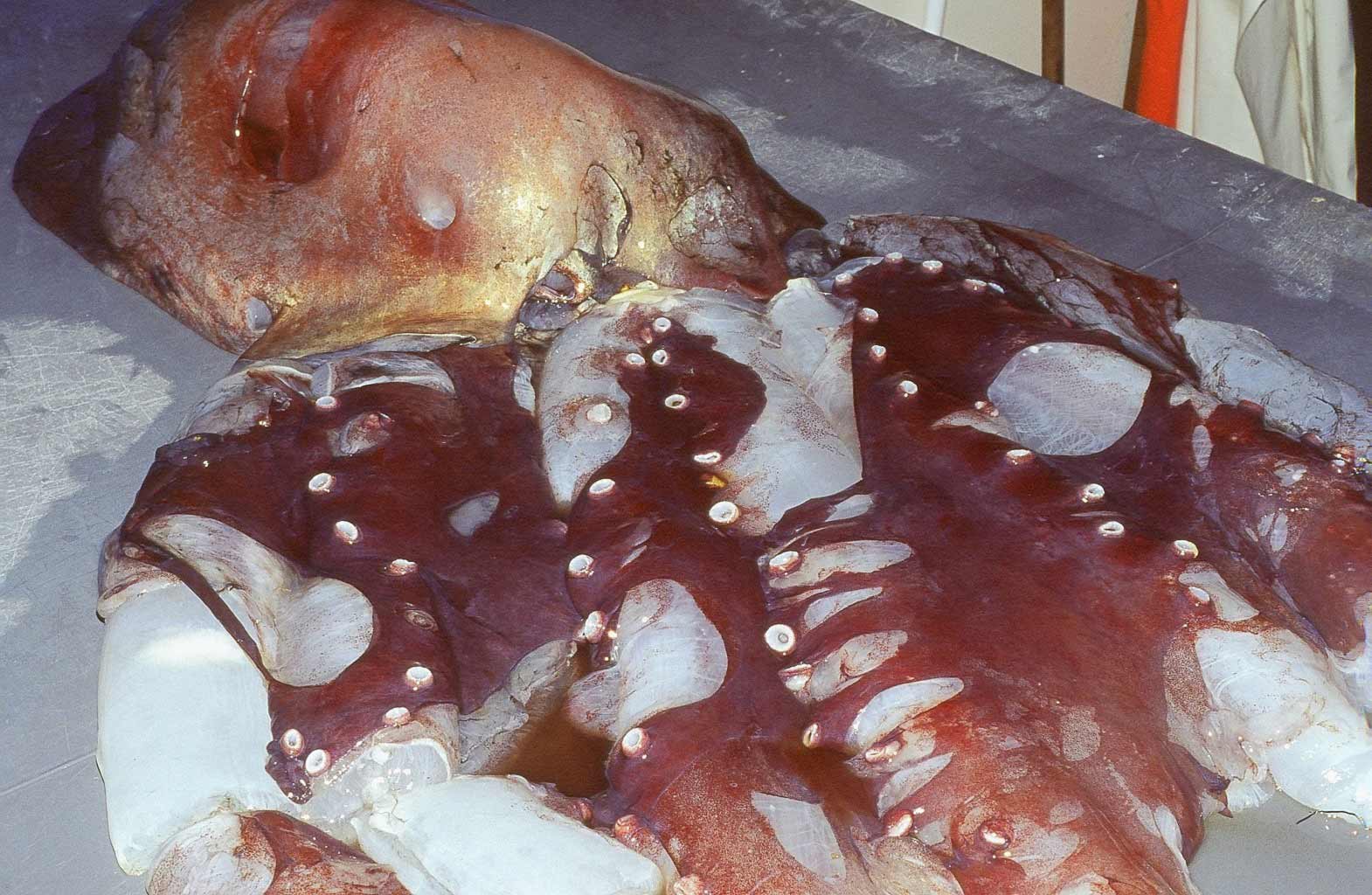
There are some weird octopuses out there, I'll grant you. The tiny-but-deadly blue-ringed octopus. The Dumbo octopus with its "ear flaps"--actually fins. But I propose that Haliphron atlanticus, the seven-arm octopus, outdoes them all.

Color version (from TONMO) of Figure 1 from O'Shea 2004.
This weekend is the first episode in a three-part "Brain Games" series on the National Geographic channel.  Since National Geographic does not have a show on the 'science' of ghost hunting, and since statistics show 97% of Internet readers never finish an article, if you are not a regular Science 2.0 reader I am okay endorsing this and telling you in the first paragraph you will enjoy it, so you can set your DVR and move on to reading about the trial of Michael Jackson's doctor.   

A new review has found evidence that a specific gene is linked to suicidal behavior, which may be one of the many complex causes of suicide. 

In the past, studies have implicated the gene for brain-derived neurotrophic factor (BDNF) in suicidal behavior. BDNF is involved in the development of the nervous system. After pooling results from 11 previous studies and adding their own study data involving people with schizophrenia, scientists writing in the International Journal of Neuropsychopharmacology  found that among people with a psychiatric diagnosis, those with the methionine ("met") variation of the gene had a higher risk of suicidal behavior compared to those with the valine variation. 

It took years of mismanagement, printing Monopoly money by the federal government, and runaway unemployment to get groups claiming to represent 99% of Americans protesting progressive fiscal policy on Wall Street and in other cities.

You may disagree on the purity of that movement, since the Teamsters and the education unions are funding this stuff and are not exactly friends of the little guy (try to get a job in NYC without being in their union) but one thing no one will disagree with; if you take away coffee, 100% of Americans will riot.

Males of many species guard the females they have mated with, a behavior generally interpreted as a tactic to reduce the likelihood that rival males will mate with the female. This, of course, can lead to a conflict between the sexes: where females might want to mate with other males, males will try to prevent this. In this case, the male-female association is based on conflict.

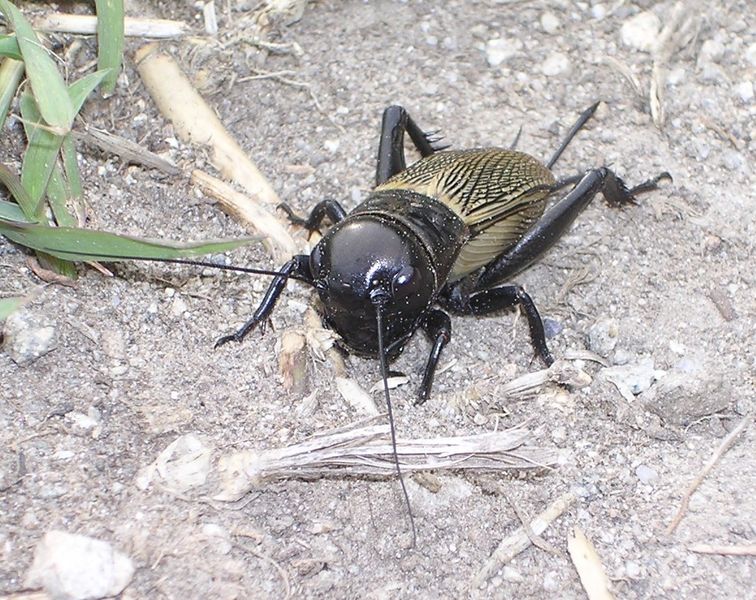
A new study on crickets (Gryllus campestris, see figure 1), however, suggests that the foundation of the couple’s association might be based on cooperation. By continuously monitoring natural cricket populations with marked individuals, the researchers were able to observe behaviors and predation. 


I'll lay out something a lot of people won't like to hear; science is about understanding the world according to natural laws and that means sometimes breaking the laws of nature.  How far that goes is a policy matter and it's for civilian leadership to decide.

Researchers won't like being compared to the military but it's a lot like that; there is a job to do, a mission to accomplish, and the scope and limitations of that mission are determined by the public through their politicians but once that framework is established, it is up to the soldiers on the ground to decide how to get there.
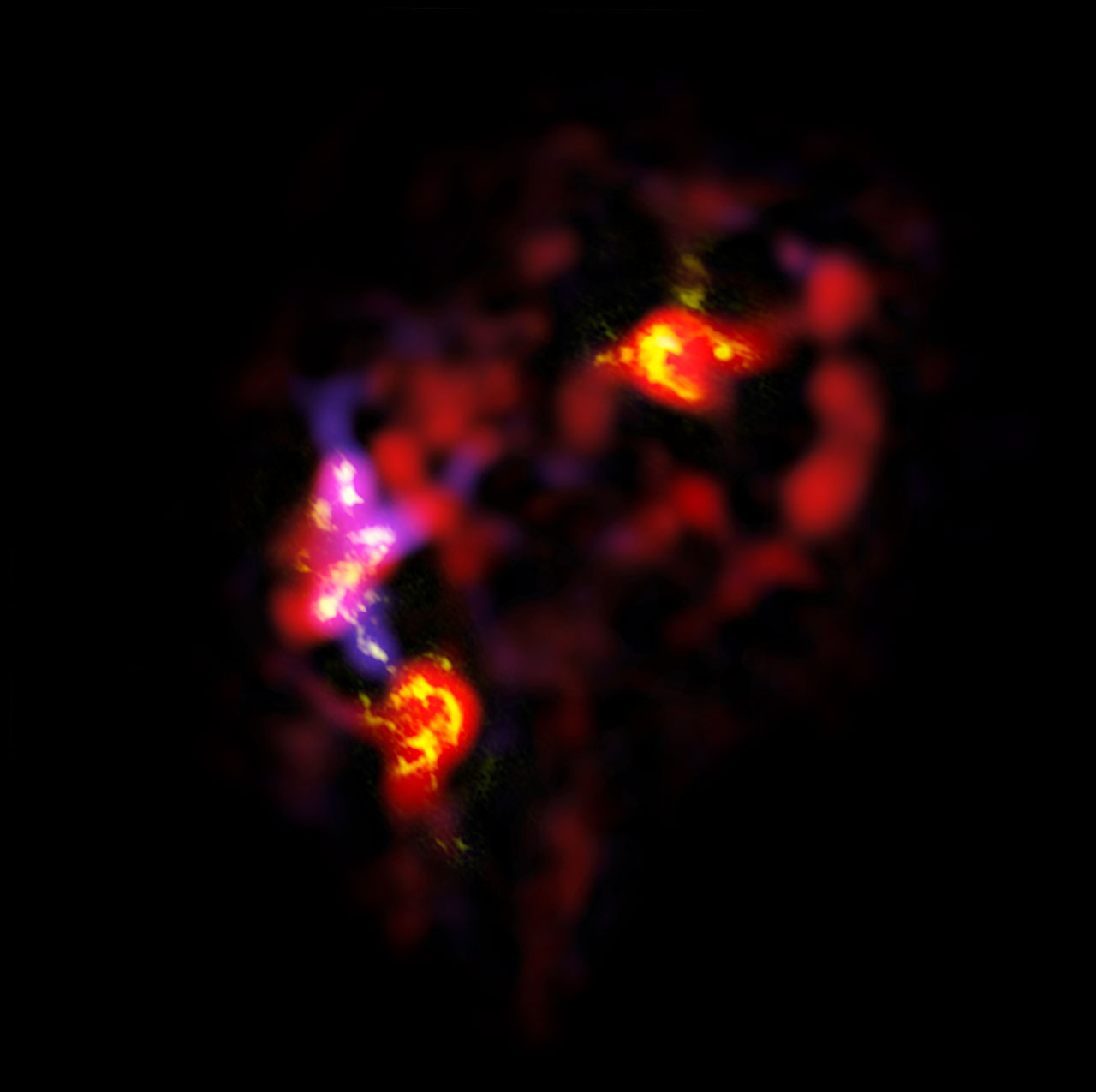
The world's most complex ground-based astronomy observatory, the Atacama Large Millimeter/submillimeter Array (ALMA) on on the Chajnantor plateau in northern Chile, has officially opened for astronomers.

A lack of light pollution and anti-science hippies filing lawsuits has made Chile a new favorite spot for space science and the first image we got after ALMA opened its eyes is darn spectacular.  What we can't see with visible-light or infrared telescopes, ALMA can see just fine.  And the image below is with only 12 of its final 66 radio antennas.  It's fitting that the first image was of the Antenna Galaxies.

Hypothetically, if someone told you that a hypothetical question can influence your judgments or behavior, would you believe them?

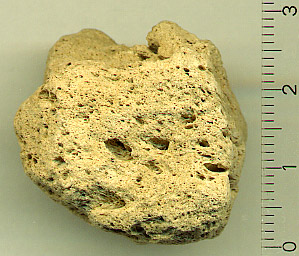
In which context did life arise? A problem yet unsolved. Several plausible ideas and hypotheses have been put forward: shallow seas, meteorites (see DNA, Made In Space?), and even much more extreme habitats, such as hydrothermal vents. Perhaps pumice should be added to the list?

Pumice (see figure 1), a volcanic rock formed by solidified frothy lava, is known to be porous and, once upon a time in its history, gas-rich. Now, a new study, published in Astrobiology, poses that extensive rafts of pumice have four properties that would actually make them a suitable candidate for the location where life arose.

