



The prevalence of type 2 diabetes among 25,000 patients with familial hypercholesterolemia (a genetic disorder characterized by high low-density lipoprotein [LDL] cholesterol levels) was significantly lower than among unaffected relatives, with the prevalence varying by the type of gene mutation, according to a study in the March 10 issue of JAMA.

Computers that function like the human brain could soon become a reality thanks to new research using optical fibres made of speciality glass.

The research, published in Advanced Optical Materials, has the potential to allow faster and smarter optical computers capable of learning and evolving.

Researchers from the Optoelectronics Research Centre (ORC) at the University of Southampton, UK, and Centre for Disruptive Photonic Technologies (CDPT) at the Nanyang Technological University (NTU), Singapore, have demonstrated how neural networks and synapses in the brain can be reproduced, with optical pulses as information carriers, using special fibres made from glasses that are sensitive to light, known as chalcogenides.

The increased use of engineered nanoparticles (ENMs) in commercial and industrial applications is raising concern over the environmental and health effects of nanoparticles released into the water supply. A study that analyzes the ability of typical water pretreatment methods to remove titanium dioxide, the most commonly used ENM, is published in Environmental Engineering Science.

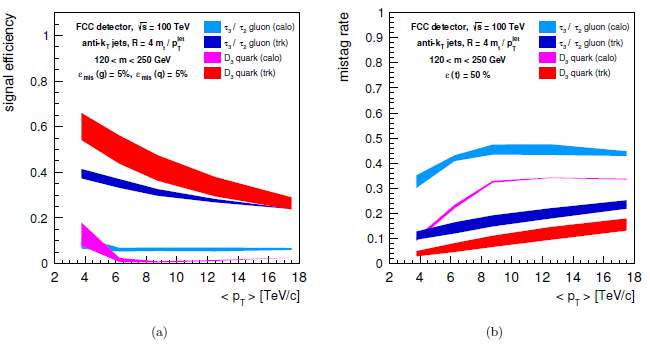
The top quark is the heaviest known elementary particle. It was discovered in 1995 by the CDF and DZERO experiments at the Fermilab Tevatron collider after a long hunt that had started almost two decades earlier: it took long because the top weighs as much as a whole silver atom, and producing this much matter in single particle-particle collisions is difficult: it requires collision energies that started to be available only in 1985, and the rarity of the production processes dictate collision rates that were delivered only in the early nineties.
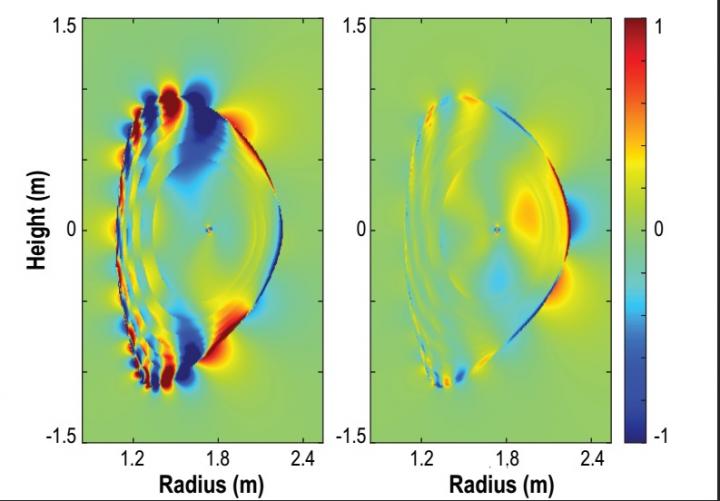
General Atomics, which operates the DIII-D National Fusion Facility for the U.S. Department of Energy, and the Department of Energy's Princeton Plasma Physics Laboratory (PPPL) have made a breakthrough in understanding how potentially damaging heat bursts inside a fusion reactor can be controlled. 

The experiments with the DIII-D Fusion Facility, a tokamak in San Diego, represent a key step in predicting how to control heat bursts in future fusion facilities. Researchers have found that tiny magnetic fields applied to the device can create two distinct kinds of response, rather than just one response as previously thought.
Living beings can keep gene expression in check, which might partly explain the uncontrolled gene expression found in many cancers, according to a new paper/

"Using yeast as a model organism, we studied the Tup1 protein, a negative regulator of gene expression," says Biology Professor Emanuel Rosonina. "This protein binds to some genes and blocks their expression, helping to ensure genes that shouldn't be turned on remain inactive." 
It is no surprise that female mice prefer healthy males, most humans are the same way, but a new study tested the belief that attractive males have better mating success than other males. 

Sarah Zala and Dustin Penn of the Konrad Lorenz Institute of Ethology at the Vetmeduni Vienna investigated whether females would also choose to mate with healthy over infected male if given a choice. In the laboratory and in large enclosures, the females were allowed to freely choose between two males, one healthy and another challenged with a mild infection, which they previously found to alter male odor. 

Healthy young adults who don't consume caffeine regularly experienced greater rise in resting blood pressure after consumption of a commercially available energy drink than those who had a placebo drink, according to a Mayo Clinic study.

The researchers alternately gave a can of a commercially available energy drink or a placebo drink to 25 healthy young adults, age 19 to 40, and assessed changes in heart rate and blood pressure.  Blood pressure and heart rate were recorded before and then 30 minutes after energy drink/placebo drink consumption, and were also compared between caffeine-naive participants (less than 160 mg of caffeine per day, a cup of coffee) and regular caffeine users (more than a cup of coffee equivalent of of caffeine per day). 

If you walk into your local drug store and ask for a supplement to help you sleep, you might be directed to a bottle labeled "melatonin." The hormone supplement's use as a sleep aid is supported by anecdotal evidence and even some reputable research studies. However, our bodies also make melatonin naturally, and until a recent Caltech study using zebrafish, no one knew how--or even if--this melatonin contributed to our natural sleep. The new work suggests that even in the absence of a supplement, naturally occurring melatonin may help us fall and stay asleep.

The study was published online in the March 5 issue of the journal Neuron.

Although children can emerge from cold and neglectful family environments as adults with high self-esteem, a new University at Buffalo psychology paper suggests they may still be at a relative disadvantage in life, with a foggier sense of identity. Yet obviously adults with low self-esteem who grew up in the same type of negative environment have relatively high self-clarity, so what gives?

