

A team of researchers can detect how taste is encoded in patterns of neural activity in the human brain.

That means they can basically read your mind when it comes to food.

Tastants in the mouth activate specific receptors on the tongue corresponding to each of the basic tastes: sweet, salty, sour, bitter, and savory (umami). The signal is then transduced further to the brain. How the peripheral signal is used by the central nervous system to encode taste quality is largely unknown.

An important food resource has been disappearing from streams without anyone noticing until now.

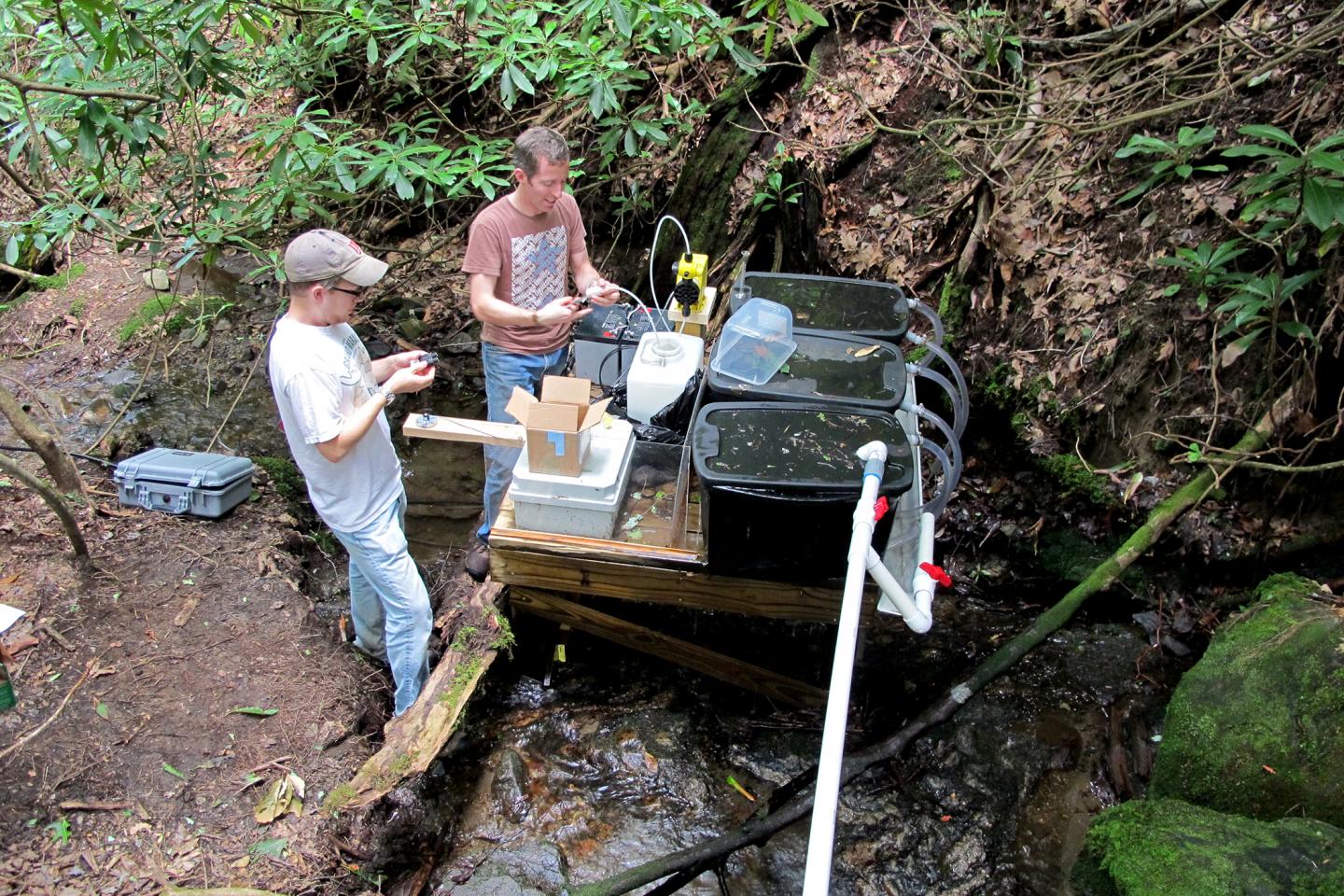
In a new study published March 6 in the journal Science, a team of researchers led by University of Georgia ecologists reports that nutrient pollution causes a significant loss of forest-derived carbon from stream ecosystems, reducing the ability of streams to support aquatic life.

The findings show that the in-stream residence time of carbon from leaves, twigs and other forest matter, which provide much of the energy that fuels stream food webs, is cut in half when moderate amounts of nitrogen and phosphorus are added to a stream.

We have tens or hundreds of active 'foreign' genes, according to a new paper, and that may merit a rethink of how we discuss evolution, say the authors.

The composition of intestinal bacteria and other micro-organisms--called the gut microbiota--changes over time in unhealthy ways in black men who are prediabetic, a new study finds. The results will be presented Friday at the Endocrine Society's 97th annual meeting in San Diego.

Sometimes popular concepts catch fire with the public for no reason, even when they are shown to be incorrect - virtual water, a gallon of gas to create a pound of beef, you didn't build that - but usually those fade with time.

Not the Drake Equation, which sought to parameterize what other life may be out there.

In parts of the country that do not have icebergs washing up on shore or falling from the sky, it is almost spring planting season. 

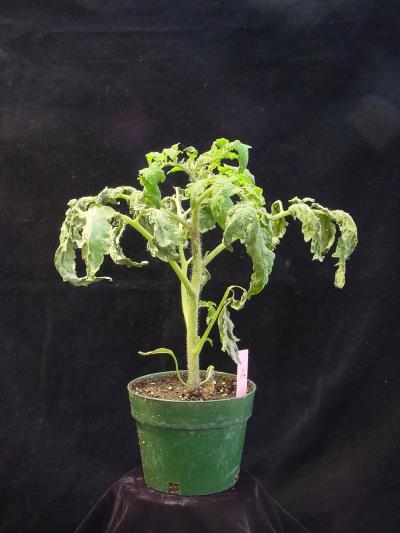
For tomatoes, that mean unless you use a toxic organic or synthetic chemical, there is a chance of bacterial infection, leading to stunted growth and less nutritional value. The discovery of new regulations of defense pathways for plants could lead to helping those home-grown tomatoes fight off certain bacteria better and even have implications for pear trees, roses, soybeans and rice.


Tomatoes infected with speck disease often have wilted leaves and damaged fruit. Credit: University of Missouri
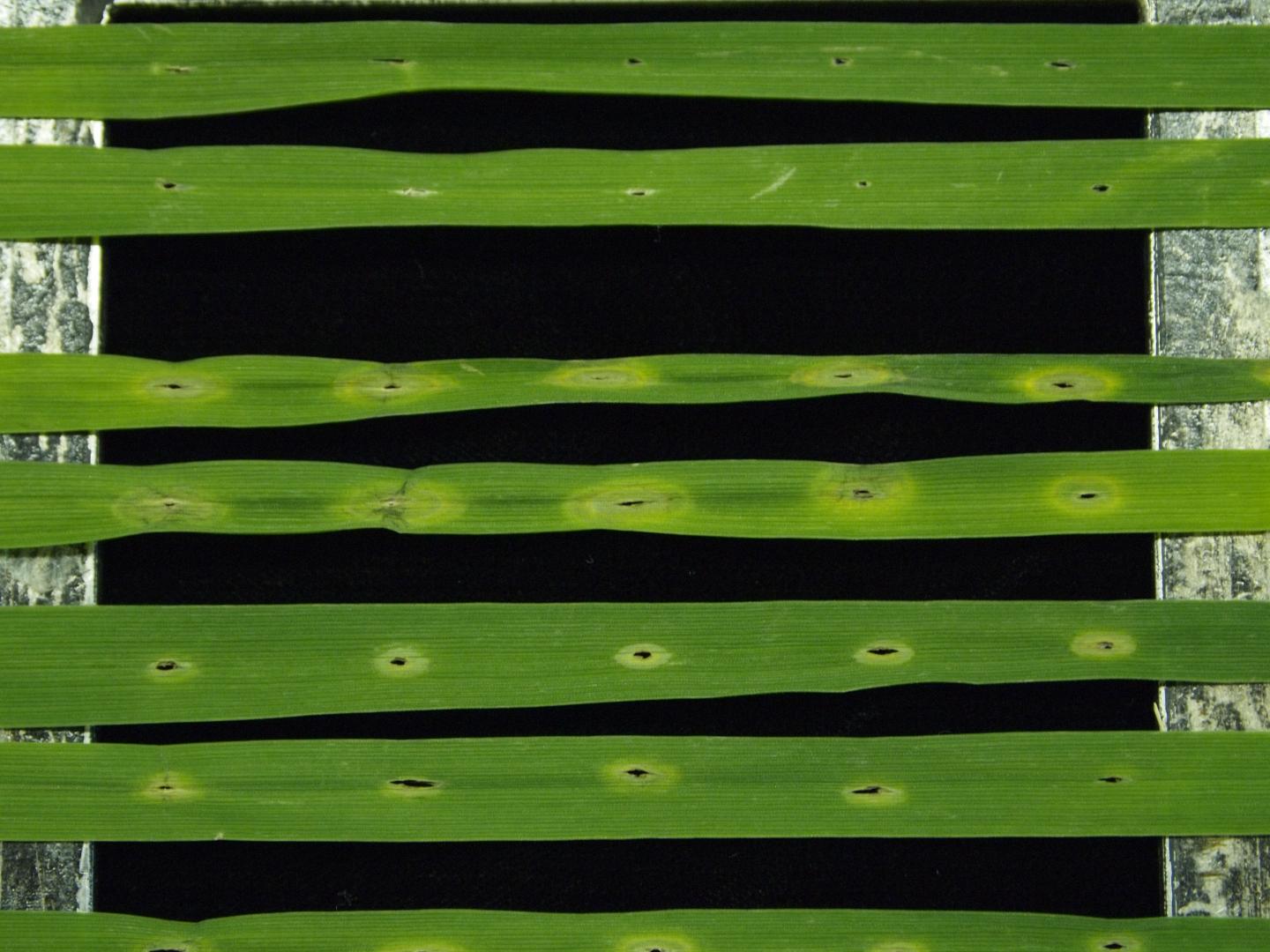
A team of scientists have successfully transferred a receptor that recognizes bacteria from the model plant Arabidopsis thaliana, a dicot, to wheat, a monocot.

The receptor can trigger a defensive response and confers increased resistance to bacterial disease. The research findings demonstrate that the signaling pathways or circuitry downstream of the receptor are conserved between evolutionary distant monocots and dicots. 

A new paint makes robust self-cleaning surfaces and can be applied to clothes, paper, glass and steel and when combined with adhesives, maintains its self-cleaning properties after being wiped, scratched with a knife and scuffed with sandpaper.

Self-cleaning surfaces work by being extremely repellent to water but often stop working when they are damaged or exposed to oil. The new paint creates a more resilient surface that is resistant to everyday wear and tear, so could be used for a wide range of real-world applications from clothing and cars, say the researchers.

Bacteria that live on iron were found for the first time at three well-known vent sites along the Mid-Atlantic Ridge, one of the longest undersea mountain ranges in the world. Scientists report that these bacteria likely play an important role in deep-ocean iron cycling, and are dominant members of communities near and adjacent to sulfur-rich, black-smoker hydrothermal vents prevalent along the Mid-Atlantic Ridge.

The origin of life remains a mystery with more questions than answers. How were molecules created? How did they assemble into large structures? 

Among the conundrums, the "homochirality" phenomenon upon which amino acids and sugars form is particularly fascinating.  

The single-handedness of biological molecules has fascinated scientists since Pasteur first separated the enantiomorphic crystals of a tartrate salt more than 150 years ago because the homochirality of biological molecules is a signature of life.

