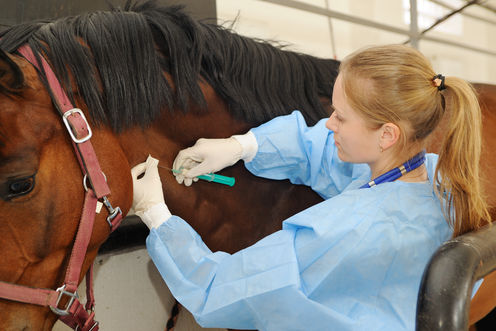
Neigh problem with injections. Shutterstock
By Adele Williams, University of Surrey
Picture this. Your prize horse needs a vaccination. Who should turn up to deliver this but a veterinary graduate of ten years, specialist in equine internal medicine and teacher to veterinary undergraduates.
Today is your lucky day! Or not.
“I specifically requested one of the male vets, but it is just a vaccination so I do hope you’ll be able to do that …”
The adult human body is made up of about 37 trillion cells. Microbes, mainly bacteria, outnumber body cells by 10 to 1. This huge community of microbes, called the microbiome, affects the health, development and evolution of all multicellular organisms, including humans, according to the latest craze in health supplement marketing and plenty of science papers latching onto the fad.
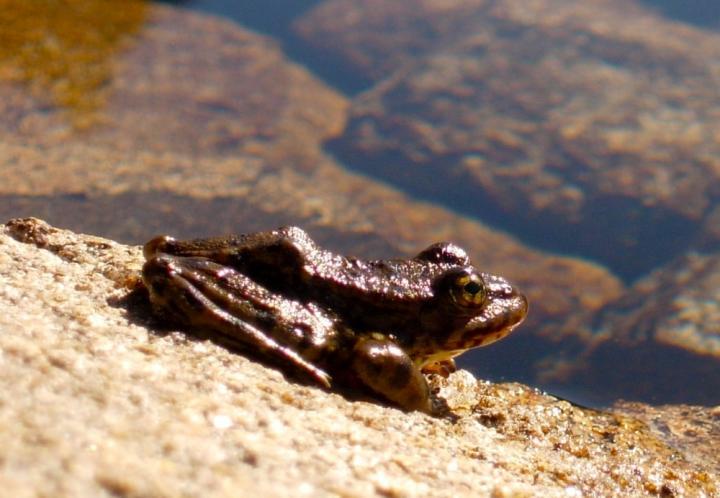
Symbiotic microbes can help prevent infection by disease-causing pathogens but sometimes the interaction goes the other way, with a pathogen or disease disrupting the normal community of symbiotic bacteria. In a new paper in the Proceedings of the National Academy of Sciences, a team of scientists from UC Santa Barbara say that a fungal pathogen of amphibians does just that.

Black holes aren’t black. Warner Bros.
By Alasdair Richmond, University of Edinburgh
Note: this article has spoilers.
In Interstellar’s near-ish future, our climate has failed catastrophically, crops die in vast blights and America is a barely-habitable dustbowl. Little education beyond farming methods is tolerated and students are taught that the Apollo landings were Cold War propaganda hoaxes.
What will McDonald’s do?
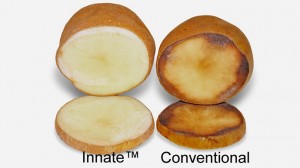
The U.S. Department of Agriculture on Friday cleared a genetically engineered potato with two innovations that help both consumers and producers: The Simplot Innate potato resists bruising, which makes it more appealing to consumers (even though bruising generally does not impact the quality of the starchy vegetable); and it’s been modified to produce less of the chemical acrylamide when fried.
Acrylamide has been linked to cancer in rats although there is no clear evidence that it poses harm to humans.
The Inamori Foundation has awarded the 2014 Kyoto Prizes to biomedical engineer Dr. Robert Langer in medicine, theoretical physicist Professor Edward Witten in math, and Fukumi Shimura in the Arts. Each laureate received a diploma, a 20-karat gold Kyoto Prize medal and a cash gift of 50 million yen (approximately US $450,000) in recognition of lifelong contributions to society.
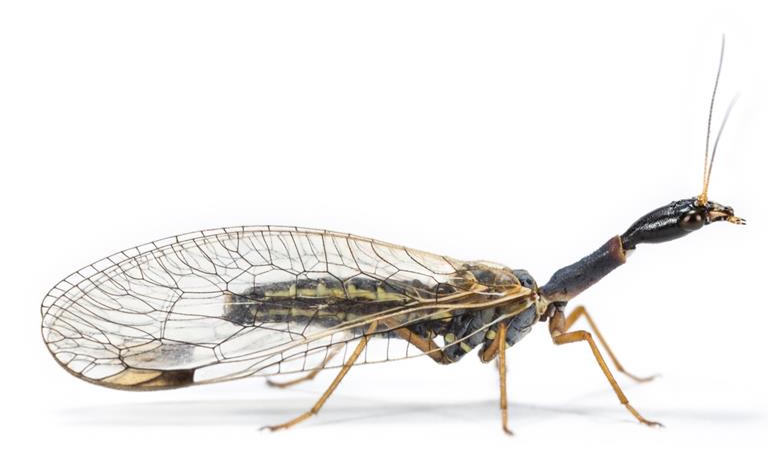
The 1KITE project (1,000 Insect Transcriptome Evolution) seeks to understand the millions of living insect species that shape our terrestrial living space and both support and threaten our natural resources by analyzing more than 1,000 insect transcriptomes, a set of all RNA molecules.
Using a dataset consisting of 144 carefully chosen species, 1KITE scientists have just presented reliable estimates on the dates of origin and relationships of all major insect groups based on the enormous molecular dataset they collected. They show that insects originated at the same time as the earliest terrestrial plants about 480 million years ago.
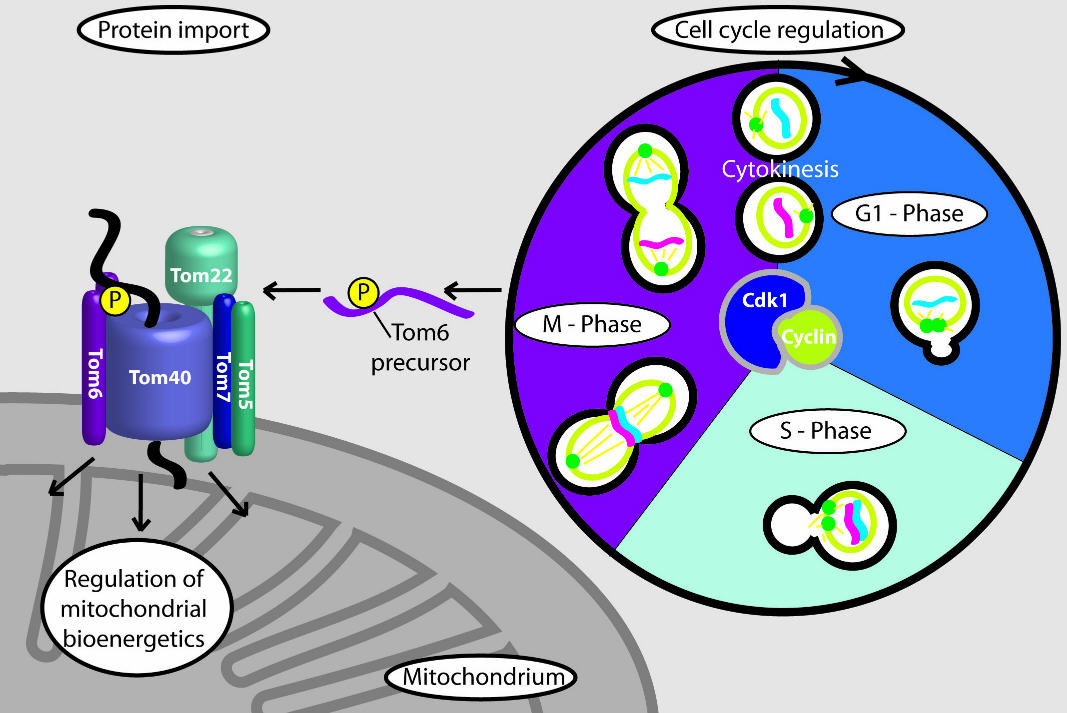
When a cell divides, it passes through a sequence of complex events and mitochondria, the organelles called the power plants of the cell, are the main source of energy for these processes: They convert food into energy the cell can use.
Freiburg biochemists Dr. Angelika Harbauer and professor Chris Meisinger led a team that have discovered a signaling path that links these two key tasks, cell division and energy conversion. .
8 percent of our genome derives from retroviruses that inserted themselves into human sex cells millions of years ago and right now the koala retrovirus (KoRV) is invading koala genomes.
Koalas are the only known organism where a retrovirus is transitioning from exogenous to endogenous. An exogenous retrovirus infects a host, inserts its genetic information into the cell’s DNA, and uses the host cell’s machinery to manufacture more viruses. When an exogenous retrovirus infects an egg or sperm cell and the viral genetic information is then passed down to the host’s offspring, the virus becomes an endogenous retrovirus (ERV).
Though the World Series is over, baseball never really ends in the modern era. There are MVP announcements, free agency and then the winter meetings. Before we know it, it will be February and pitchers and catchers reporting for spring training in Florida and Arizona.
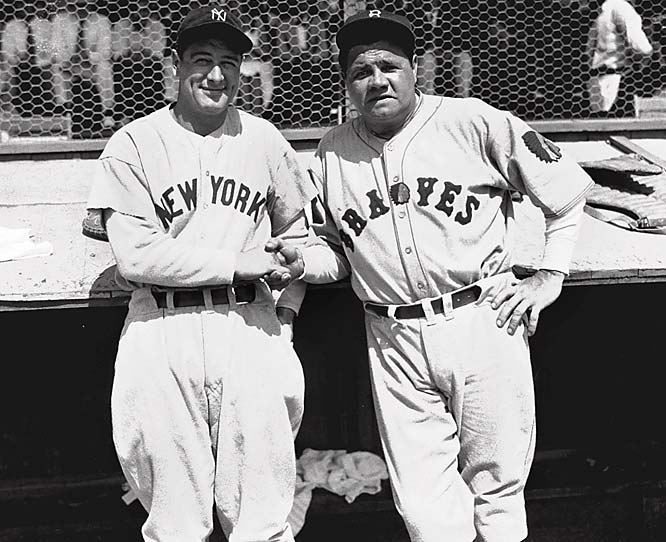
Patients with Amyotrophic lateral sclerosis (ALS), commonly known as Lou Gehrig's Disease, have difficulty with action verbs: Why action verbs and not regular verbs or nouns?
According to some papers, the fact that ALS patients experience it isn't the actual severe motor deficits of the disease, the greater linguistic difficulty with verbs denoting action compared to nouns depends on the motor deficit.
The motor system plays a role in the semantic encoding of action verbs? Real or spurious correlations? A new tested this hypothesis and their conclusion suggests a major role for the “executive function”.