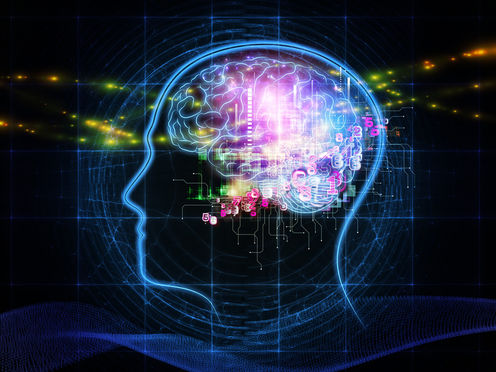





Our brains make judgments about images before we're even aware of making a decision. A Health Blog/Flickr, CC BY-NC

By Daniel Bennett, University of Melbourne

What makes us decide? At one level, this seems like an easy question: we think our options through, pick the one we like best and act on it.

If we dig a little deeper, though, the question becomes more difficult to answer. How do we settle on what our options are? What makes us prefer one option to another?

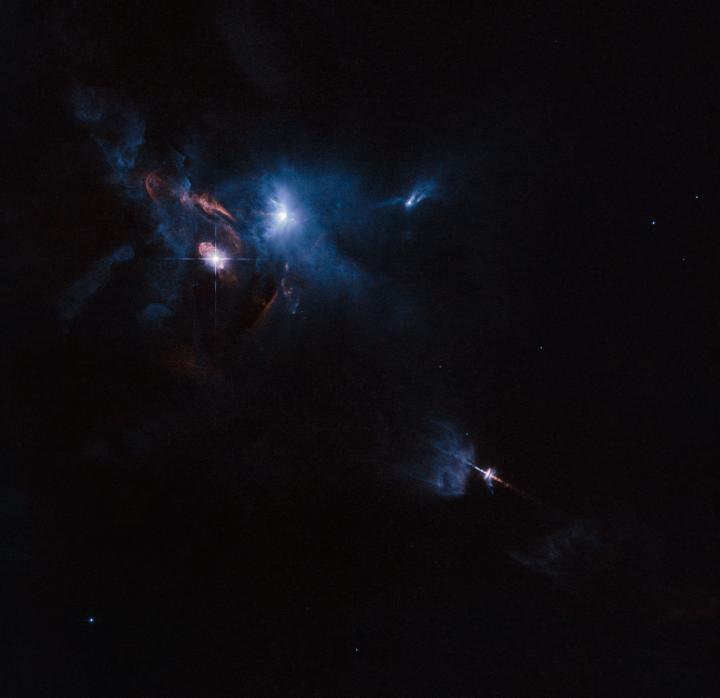
The XZ Tauri star system has been imaged blowing a hot bubble of gas into the surrounding space, which is filled with bright and beautiful clumps that are emitting strong winds and jets. These objects illuminate the region, creating a truly dramatic scene.

This dark and ominous landscape is located some 450 light-years away in the constellation of Taurus The Bull. It lies in the north-eastern part of a large, dark cloud known as LDN 1551, as seen in the Hubble telescope image below..

Many large mammals went extinct at the end of the most recent Ice Age (about 11,000 years ago), including the Steppe bison, Bison priscus.

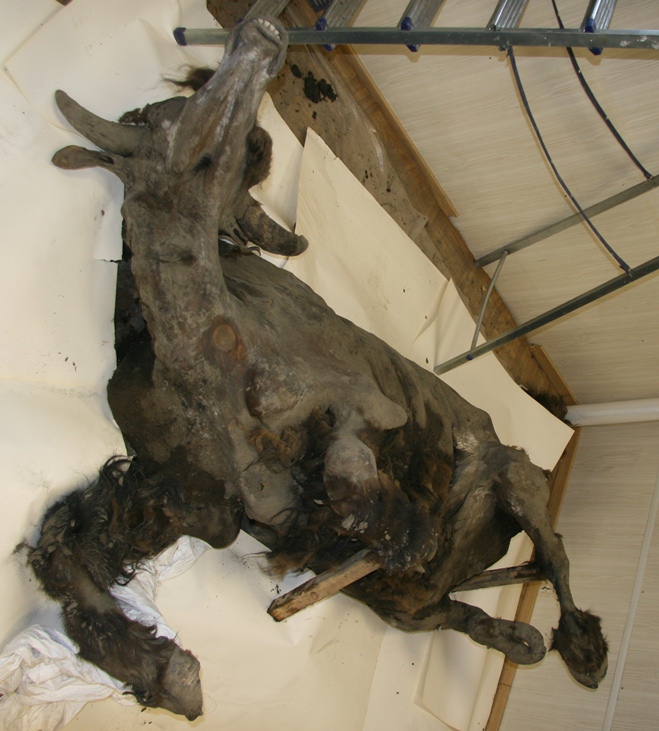
Recently an intact one was found, literally frozen in time. This most complete frozen mummy of the Steppe bison yet discovered dates to 9,300 years ago and was uncovered in the Yana-Indigirka Lowland. 

The Yukagir bison mummy, as it is named, has a complete brain, heart, blood vessels and digestive system, although some organs have shrunk significantly over time. The necropsy of this unique mummy showed a relatively normal anatomy with no obvious cause of death. However, the lack of fat around abdomen of the animal makes researchers think that the animal may have died from starvation. 


Arm pain is common among healthy young baseball players, according to a recent survey. Nearly half say they have been encouraged to keep playing despite arm pain, which suggests that more individualized screening is needed to prevent overuse injury in young ballplayers. 

The questionnaire was designed to learn more about the frequency, severity, and psychosocial effects of arm pain among active adolescent baseball payers. The questionnaire was completed by 203 players from New York and New Jersey between the ages of 8 and 18. All of the surveys were completed without input from parents or coaches.

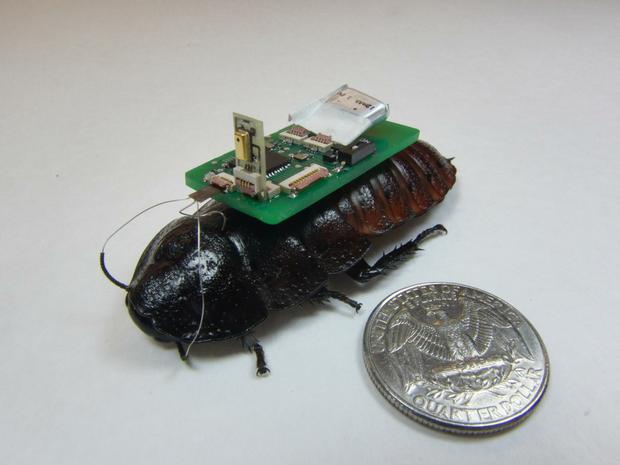
Tiny biobots - cyborg cockroaches - can trace the source of a sound and home in on it. But don't fear, an invisible fence keeps them in their assigned area, which would be disaster areas to find victims.

The biobots are equipped with electronic backpacks that control the cockroach's movements. Bozkurt's research team has created two types of customized backpacks using microphones: One type of biobot has a single microphone that can capture relatively high-resolution sound from any direction to be wirelessly transmitted to first responders. 


The Drax plant in Yorkshire. Gareth Davies, CC BY

By Richard Tol, University of Sussex

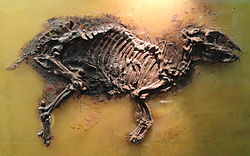
A fossil of the ancient horse Eurohippus messelensis found in Germany contains a fetus as well as parts of the uterus and associated tissues.

Eurohippus messelensis had four toes on each forefoot and three toes on each the hind foot, and it was about the size of a modern fox terrier. Though different in size and structure, reproduction in early horses was very similar to that of modern horses. The new find was unveiled at the 2014 Annual Meeting of the Society of Vertebrate Paleontology in Berlin.

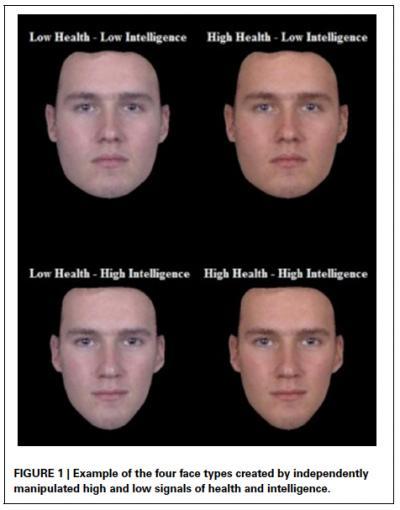
John F. Kennedy didn't just win the presidential election in 1960 because an alarming number of dead people in Chicago and Texas voted for him, it was only close in the first place because his debate with Vice-President Richard Nixon was televised - and he thought makeup was unmanly. While Kennedy looked healthy and vigorous, Nixon looked pale and sweaty. History was made and politics was changed forever.

Two generations later, a healthy complexion is vital - but looking intelligent is not as important, except for positions that require negotiation between groups or exploration of new markets, find the authors of a paper in Frontiers in Human Neuroscience.

A new index to measure the magnitude of heat waves finds that under the worst climate scenario of temperature rise, estimated to be as much as 8.6 degrees Fahrenheit, extreme heat waves might become the norm by the end of the century.

They project that heat waves like the one that hit Russia in summer 2010, the strongest in recent decades, could occur as often as every two years.

There's a new reason not to go on a low-fat diet. The signs of brain aging can be postponed in mice if placed on a high-fat diet, which opens up the possibility for treatment of patients with Alzheimer's and Parkinson's disease. 

When we get older, defects begin to develop in our nervous system and our brain loses some of its intellectual capacity. The risk of developing diseases such as Parkinson's and Alzheimer's also increases. Alzheimer's disease is currently the fastest-growing age-related disease.


