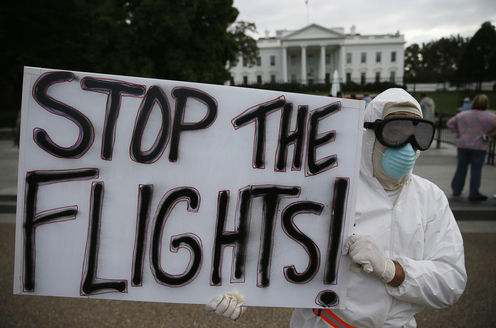










Think twice before you over-react. Image: Jim Bourg/Reuters

By Alfred Hermida, University of British Columbia

Whatever you do, don’t turn to Twitter for news about Ebola.

The volume and tone of tweets and retweets about the disease will make you wish you were watching the zombie apocalypse of The Walking Dead instead. It is much less scary.

Disrupted circadian clocks are listed as a possible reason that shift workers experience higher incidences of type 2 diabetes, obesity and cancer.

The body's primary circadian clock, which regulates sleep and eating, is in the brain, but other body tissues also have circadian clocks, including the liver, which regulates blood glucose levels. 

In a new study in Diabetes online, University of Utah researchers show that dietary iron plays an important role in the circadian clock of the liver. Judith A. Simcox, Ph.D., a University of Utah postdoctoral fellow in biochemistry, is the study's lead author.


Too much to ask. wavebreakmedia / shutterstock

By James Hayton, University of Warwick

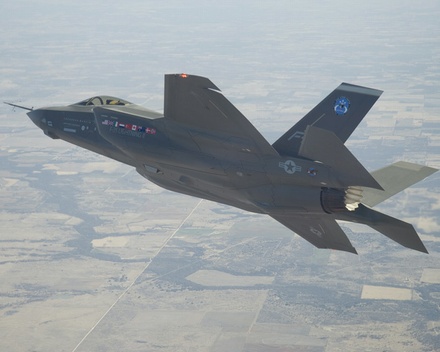
No one is going into deep space any time soon, the modern political climate is such that it will now be common for one president to cancel his predecessor's program. As President Obama did to Bush, someone in 2017 is likely to do to President Obama.

Yet officially, the NASA that the president said could not even go back to the moon on time and on budget is hoping it will go to Mars, and in preparation for that people are trying to understand and characterize the radiation hazards astronauts could face., concludes a new paper by University of New Hampshire scientists.

Nutrigenomics is a branch of nutrition which believes the food we eat affects our genes - and the Food4Me project had gotten €9 million from the EU to put science to belief.

Proponents are looking at the usual factors, such as age, sex, BMI and physical activity, and trying to match that to the way in which an individual's genes interact with the food we eat. This would enable nutritionists to create a bespoke nutrition plan.

Research is on-going, but they believe there are indicators suggesting the technology could offer a vital tool in the fight against various lifestyle-linked diseases such as obesity, heart disease and Type II diabetes.


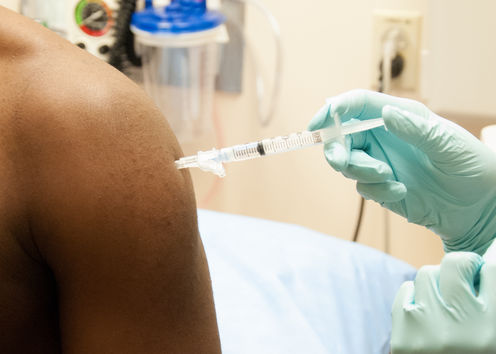
Human volunteers for Ebola vaccine. Image:niaid

By Connor Bamford, University of Glasgow

The world has been warned that the current Ebola epidemic may not end without the use of a vaccine – and no licensed vaccines exist yet. That may soon change, because scientists are making swift progress.

In 2005, John Ioannidis wrote a paper in PLOS Medicine showing that most published research findings are false. 

What makes Americans afraid is the topic of the first comprehensive nationwide study by Chapman University. According to the Chapman poll, the number one fear in America today is not Muslim terrorists or Russian imperialism or Ebola, it's...walking alone at night.

The Chapman Survey on American Fears included 1,500 nationally representative participants. The top five things Americans fear the most are:


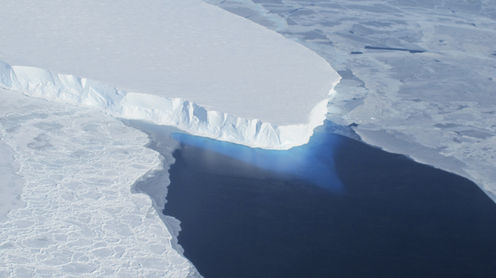
How much more glacial melting can the planet stand? NASA

By Micheal Mann, Pennsylvania State University and Lawrence Torcello, Rochester Institute of Technology


Getting high on own supply. Dance by Shutterstock

By Adam Winstock, King's College London

Despite the language we use about drugs, many people don’t see themselves as “drug users” but as rational adults who aren’t on a mission to seek moral disintegration and cause themselves harm.

People who use drugs are just people who happen to use drugs (they might also do yoga, go the cinema, get degrees, litter the streets or be into base-jumping) – normal people who care about their loved ones, their health and well-being and want to make the most of that wonderful thing that we all share: life.

