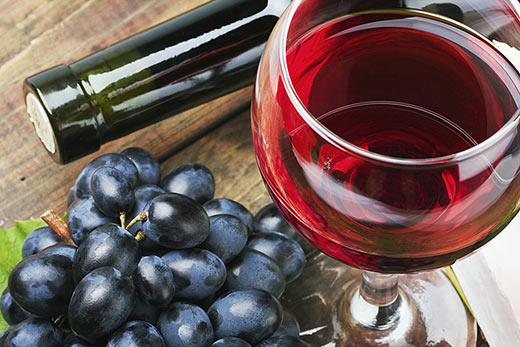



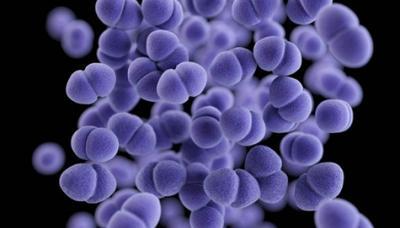

A chronic problem in wine making is when yeast that should be busily converting grape sugar into alcohol and carbon dioxide prematurely shuts down, leaving the remaining sugar to instead be consumed by bacteria that can spoil the wine.

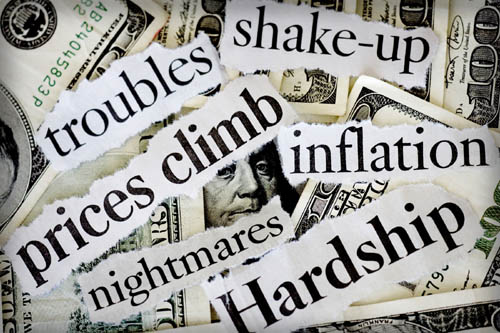
Though the rich get richer and the stock market is booming, which has led to claims by the administration that things are fine, the American public hasn't been this pessimistic about the future since Jimmy Carter was president. Pessimism has instead leaped 40% higher since 2009, when the Great Recession was in full swing.


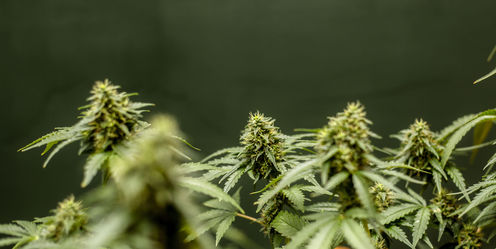
Somewhere in this much-incinerated plant lies valuable medicine: perhaps a treatment for cancer or an antidote to obesity.Prensa 420/Flickr, CC BY-NC

By David J. Allsop, University of Sydney and Iain S. McGregor, University of Sydney

Medicinal cannabis is back in the news again after a planned trial to grow it in Norfolk Island was blocked by the federal government last week. The media is ablaze with political rumblings and tales of public woe, but what does science have to say on the subject?

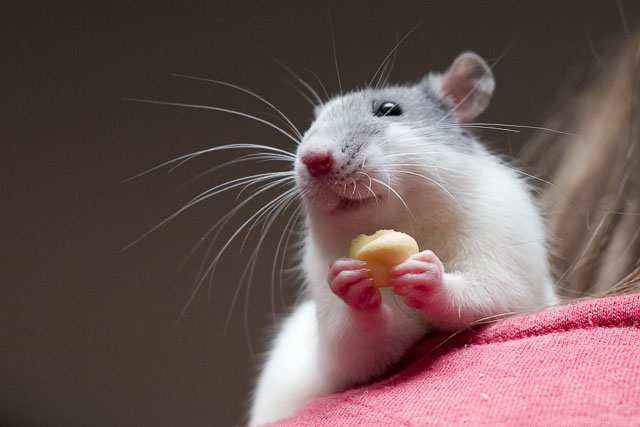
A diet of junk food not only makes rats fat, but also reduces their appetite for novel foods, a preference that normally drives them to seek a balanced diet, according to a study in Frontiers in Psychology which helps to explain how excessive consumption of junk food can change behavior, weaken self-control and lead to overeating and obesity.

In the 1970s, Florida environmentalists who had invented the notion that landfills were going to overrun America came up with the idea of making coral reefs out of tires. A few short decades later, the clean-up costs when those all came loose were 100X the supposed savings and tires have fallen out of favor as clever quick fixes since then.

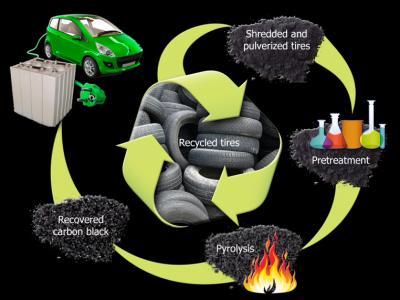
Leave it to people in Tennessee to find a new use for old tires.  Oak Ridge National Laboratory
researchers have found a way to use them to make better lithium-ion batteries.

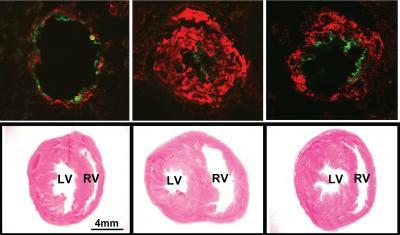
Oxidized lipids are known to play a key role in inflaming blood vessels and hardening arteries, which causes diseases like atherosclerosis. A new study at UCLA demonstrates that they may also contribute to pulmonary hypertension, a serious lung disease that narrows the small blood vessels in the lungs.

Using a rodent model, the researchers showed that a peptide mimicking part of the main protein in high-density lipoprotein (HDL), the so-called "good" cholesterol, may help reduce the production of oxidized lipids in pulmonary hypertension. They also found that reducing the amount of oxidized lipids improved the rodents' heart and lung function.

In the culture war on cigarette smoking that lingered long after the science and health issues were settled, nothing spoke to the fuzzy, non-evidence-based nature of arguments than claims that second-hand smoke would give someone lung cancer.

Cigarette smoking is annoying and smelly, to be sure, and asthmatics can't be happy in a smoke-filled room any more than non-smokers are, but there are no instances where second-hand smoke has caused cancer. The American Heart Association recently went to war on electronic-cigarettes, a nicotine vapor device, after embracing nicotine patches and lozenges, and some of the claims they made in their policy recommendation defied belief, like that second-hand smoke from e-cigarettes could be just as harmful.

Cellular reproduction seems simple but the ability to faithfully copy genetic material and distribute it equally to daughter cells is fundamental to all forms of life - and complex. Even seemingly simple single-celled organisms must have the means to meticulously duplicate their DNA, carefully separate the newly copied genetic material, and delicately divide in two to ensure their offspring survive.


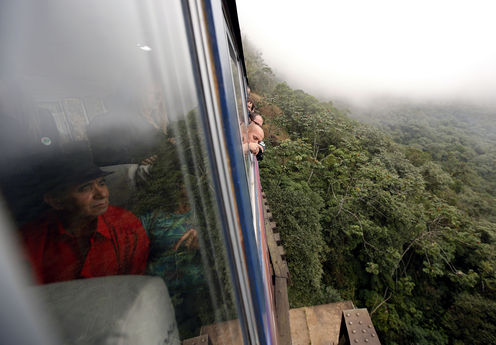
The Brazilian Atlantic forest is home to animals, birds, plants, and tourist trains. Credit: EPA

By Cristina Banks-Leite, Imperial College London

Brazil’s Atlantic forest – Mata Atlântica – is one of the world’s great biodiversity hotspots, rivalling even the Amazon. Running on and off for several thousand kilometres along the coast, the forest is home to 10,000 plant species that don’t exist anywhere else, more bird species than the whole of Europe, and more than half of the country’s threatened animal species.

